Korva is a scroll of the internet’s best ideas.
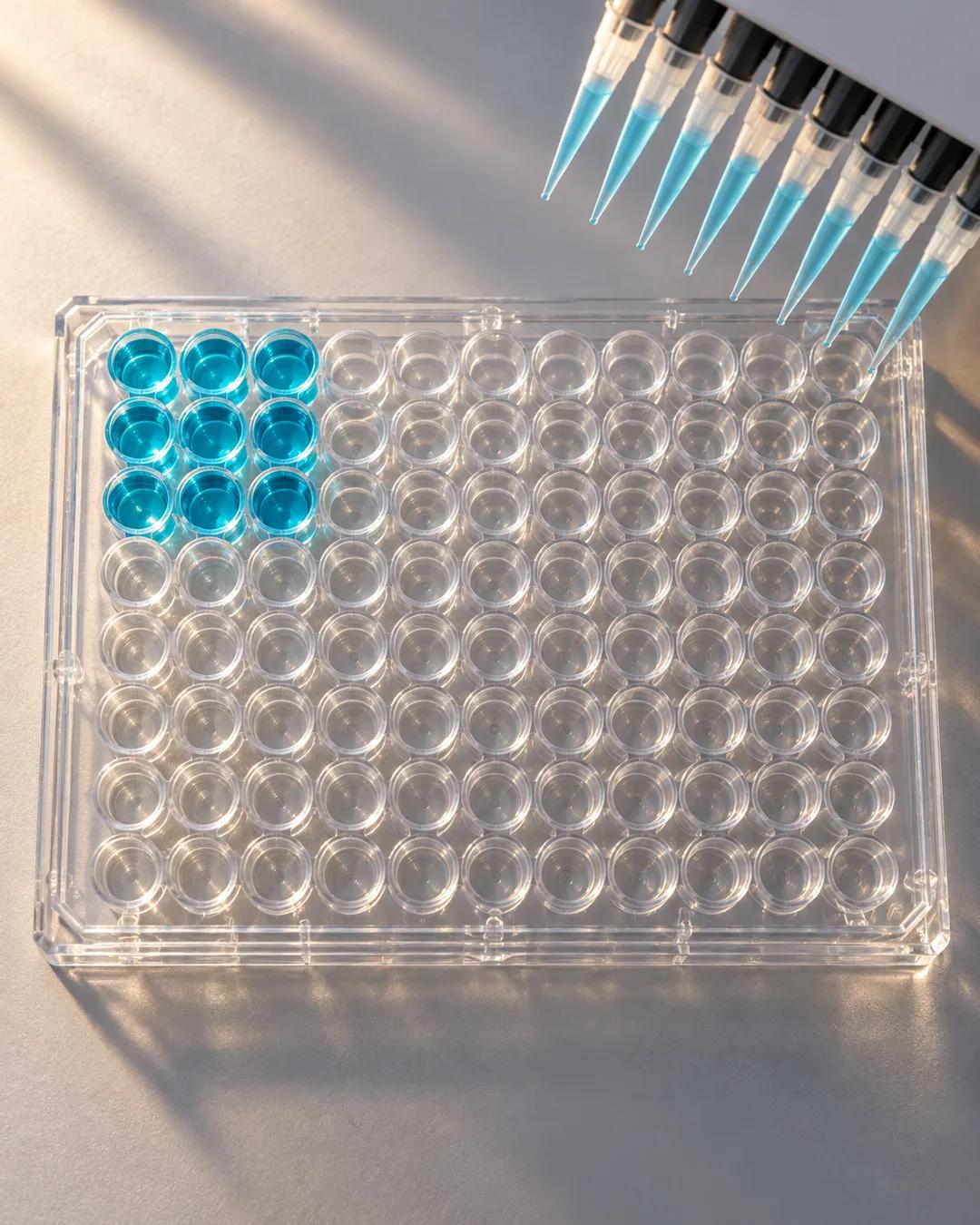
You can't model missing data

Data before models
A dataset that does not exist cannot be modeled into existence. A Tokyo longevity startup therefore starts by generating data nobody has produced before, and builds its models afterward.
The epigenetic signal
The data is epigenetic: a layer above the DNA code that silences or expresses genes, and one that changes with aging and with therapeutic responses. Methylation, a subset of epigenetics, consists of chemical tags on the DNA that switch certain genes on and off. The company reads those signals at very high resolution and very low cost, across cohorts of hundreds and sometimes thousands of participants.
What the models do
On top of that data it builds relatively simple models, such as elastic regression. They serve drug discovery, patient selection so a clinical trial enrolls the right patients, and manufacturing quality control. In cell therapy manufacturing, the test answers three questions about a batch: whether it is potent, whether it is what it is believed to be, and whether it is identical to the next one.
The next frontier for AI modeling is expected to be virtual cell models. Data is being generated now to find them, and a first AI-designed drug has already reached phase three.
How does DNA methylation switch genes off?
A methyl group attaches to a cytosine base in the DNA, most often where a cytosine sits next to a guanine, called a CpG site. When this happens near a gene's start, it tends to block the proteins that switch the gene on and attracts proteins that pack the DNA tighter. The gene is then read less. Methylation patterns shift with age, which is why they can be used to estimate it.
Why do simple models suit biological data?
Cohorts of hundreds of people can have measurements at hundreds of thousands of sites in the genome. With so many more measurements than people, complex models memorize noise instead of finding patterns. Elastic net regression, introduced by Hui Zou and Trevor Hastie in 2005, handles this by selecting a small set of predictors. Steve Horvath's 2013 epigenetic clock was built with this method.
Why is cell therapy batch consistency hard?
Cell therapies are made from living cells, which vary between donors and can shift during culture. A chemical drug can be tested for purity with a standard assay. A living product must be shown to be the right cell type and active at the expected strength. US FDA guidance asks manufacturers to demonstrate identity, purity, and potency of each product lot.
How would a virtual cell model work?
The idea is to train a model on measurements of how cells respond to many genetic and chemical changes. It could then predict a response without a lab experiment. This needs large datasets of cells that have been deliberately perturbed. Perturb-seq, published in Cell in 2016 by Atray Dixit and colleagues, pairs CRISPR edits with a readout of gene expression for that purpose.
More from This Week in Startups