Korva is a scroll of the internet’s best ideas.
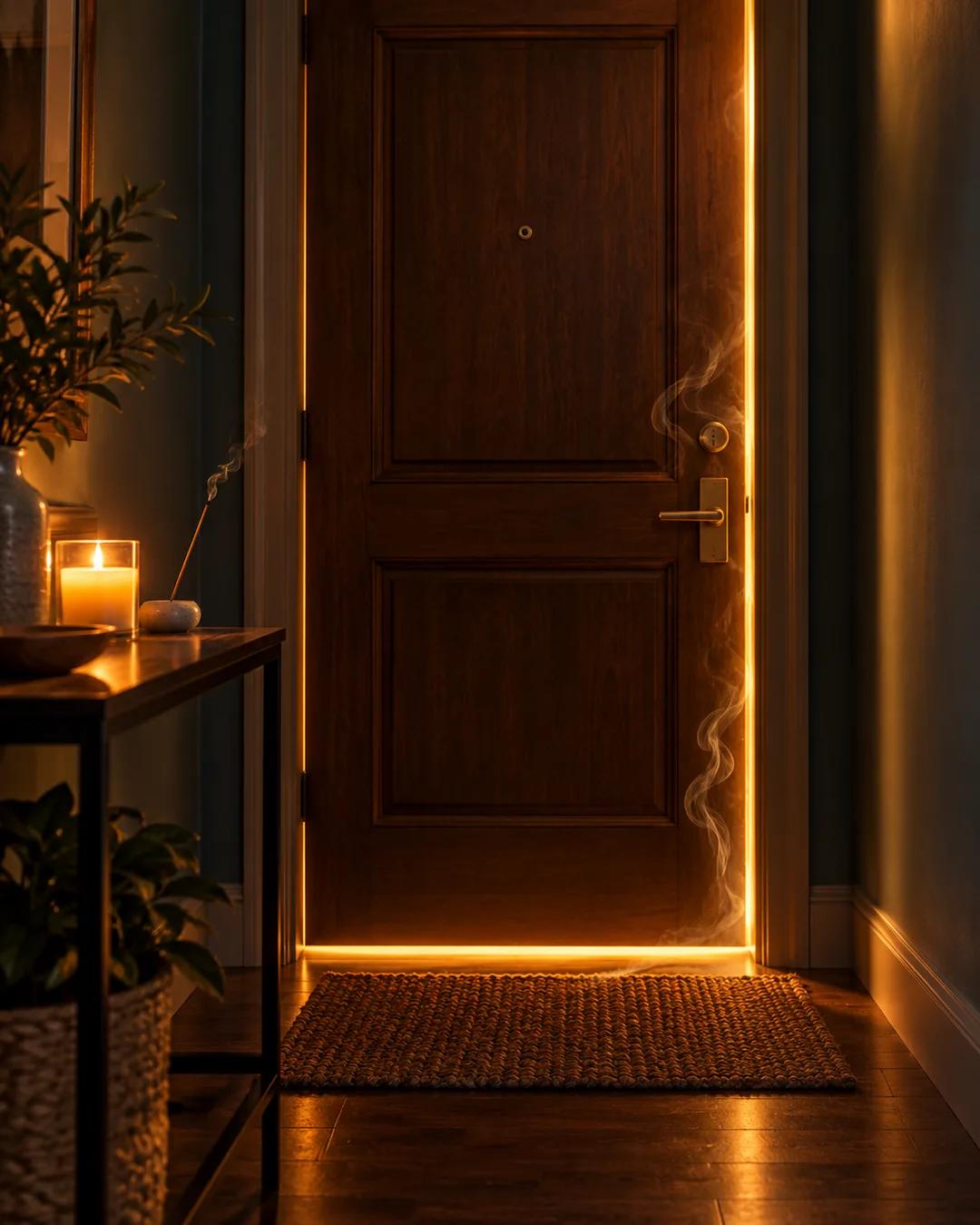
You only get one first reveal
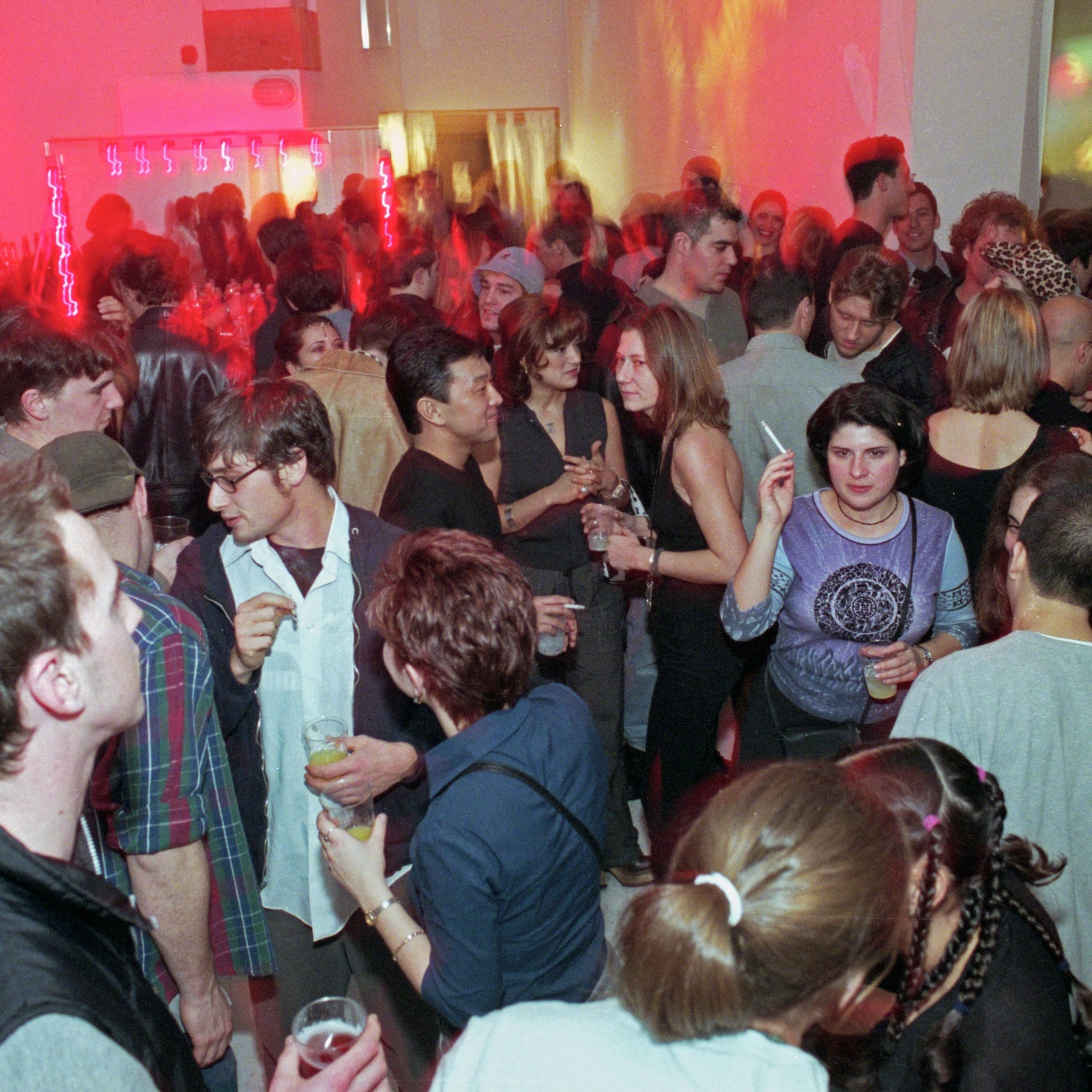
Scent and music
A producer of large events never opens the doors until the first reveal is on point. Scent comes first, whether incense or lit candles. Then comes music, with a taste for deep cuts. A guest who asks what is playing, or grumbles that it's weird but likes it, has paid the playlist a compliment.
For a host who feels nervous, a strong playlist or a DJ friend's picks for the energy wanted in the room takes the edge off, and a co-host can share the load.
The welcome
Arrival gets the same care. Each guest gets the host's full attention, a handshake or hug, and eye contact, then a tour of the drinks: beer, wine, and a decaffeinated tea made at home for anyone who doesn't drink. Guests help themselves from there. For dinners, dietary needs are known ahead of time.
Why does scent shape a room's mood?
Smell is the only sense that reaches the brain's emotion and memory centers without first passing through the thalamus. Signals from the olfactory bulb travel directly to the amygdala and the hippocampus. That route helps explain why a scent can bring back a memory or a mood within moments. Incense and candles also carry associations with ritual and ceremony in many traditions.
Does music really steer what people choose?
In a 1997 study published in Nature, Adrian North, David Hargreaves, and Jennifer McKendrick played French accordion music or German bierkeller music in a supermarket wine aisle. On French music days, French wine outsold German wine. On German music days, the pattern reversed. Shoppers questioned afterward mostly denied that the music had influenced them.
Why do first impressions weigh so heavily?
Psychologist Solomon Asch showed in 1946 that the order of information changes the impression it creates. He gave participants the same list of traits for an imaginary person, once starting with positive traits and once starting with negative ones. People who heard the positive traits first judged the person more favorably. The pattern is now called the primacy effect.
More from Today, Explained