Korva is a scroll of the internet’s best ideas.
Your brain assumes the predator

The rustle in the bushes
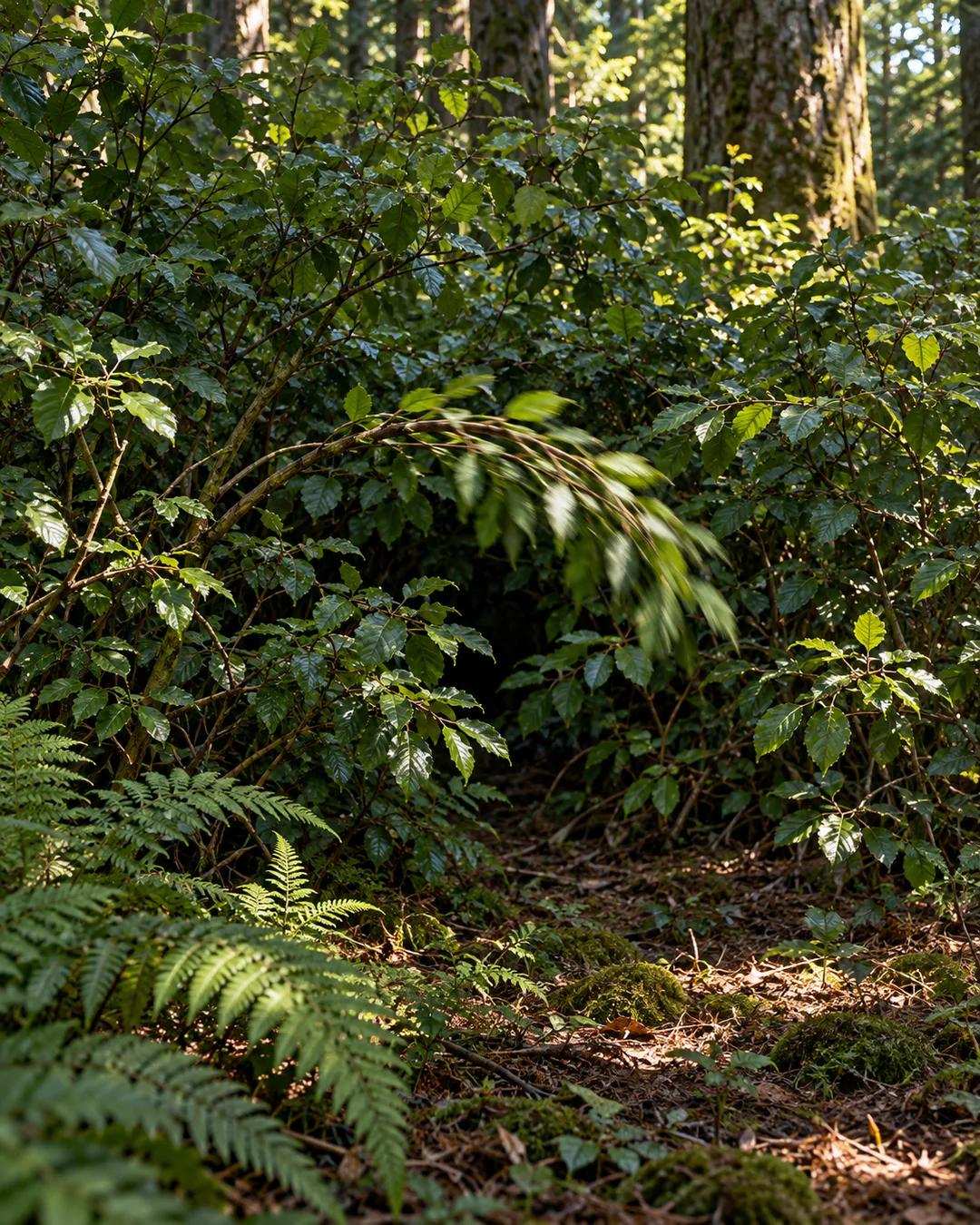
Picture walking through a forest thousands of years ago and hearing rustling in the bushes. The brain can guess that it's probably just the wind, or it can guess that a predator is hiding nearby. Guessing wind wrongly could be fatal. Guessing predator wrongly costs a few unnecessary moments of stress before the truth shows up.
Negativity bias
Evolution kept rewarding the cautious. People who remembered where danger lived, stayed alert to risks, and assumed the worst lived long enough to pass those instincts down, and their descendants are everyone alive today. Psychologists call the result negativity bias: potential threats get more attention, more emotional weight, and more mental energy than neutral or positive information.
Modern threats
The world changed almost beyond recognition while the brain did not keep pace. Predators behind trees gave way to an unread email from a boss, a partner who seems quieter than usual, a medical test not yet back, or a text that reads "Can we talk?" Each of those moments of uncertainty triggers many of the same survival systems that once guarded ancestors from physical danger.
Why is a false alarm cheaper than a miss?
Martie Haselton and David Buss proposed error management theory in 2000. When two kinds of mistakes carry unequal costs, selection favors a bias toward the cheaper one. Mistaking wind for a predator costs a moment of stress, while the reverse mistake can cost a life. Psychiatrist Randolph Nesse has compared the brain's alarm systems to smoke detectors, which are tuned to sound for burnt toast rather than risk missing a fire.
Is bad really stronger than good?
Roy Baumeister and colleagues reviewed the research in a 2001 paper titled Bad Is Stronger Than Good. They found that bad events outweighed good ones in the areas they examined, including close relationships, learning, and emotion. They also reported that bad impressions form faster and are harder to change than good ones.
How fast does the brain react to threat?
Neuroscientist Joseph LeDoux of New York University described a fast pathway in the 1990s, running from the thalamus straight to the amygdala. This shortcut delivers rough information about a stimulus before the cortex has finished analyzing it. The slower route through the cortex then supplies the detail that can cancel the alarm. Researchers have since debated how far this model applies to humans.
More from On Purpose with Jay Shetty