100 Hours of Handwritten Notes Bought Loyalty That Fakes Could Not Copy
Bloom says other authors' printed copies failed, showing why personal effort still stands out.
 Curiosity Chronicle · The Traffic Jam Theory of Success
Sahil Bloom, the author of The Five Types of Wealth, spent the run-up to his 2025 book launch with a pen in his hand.
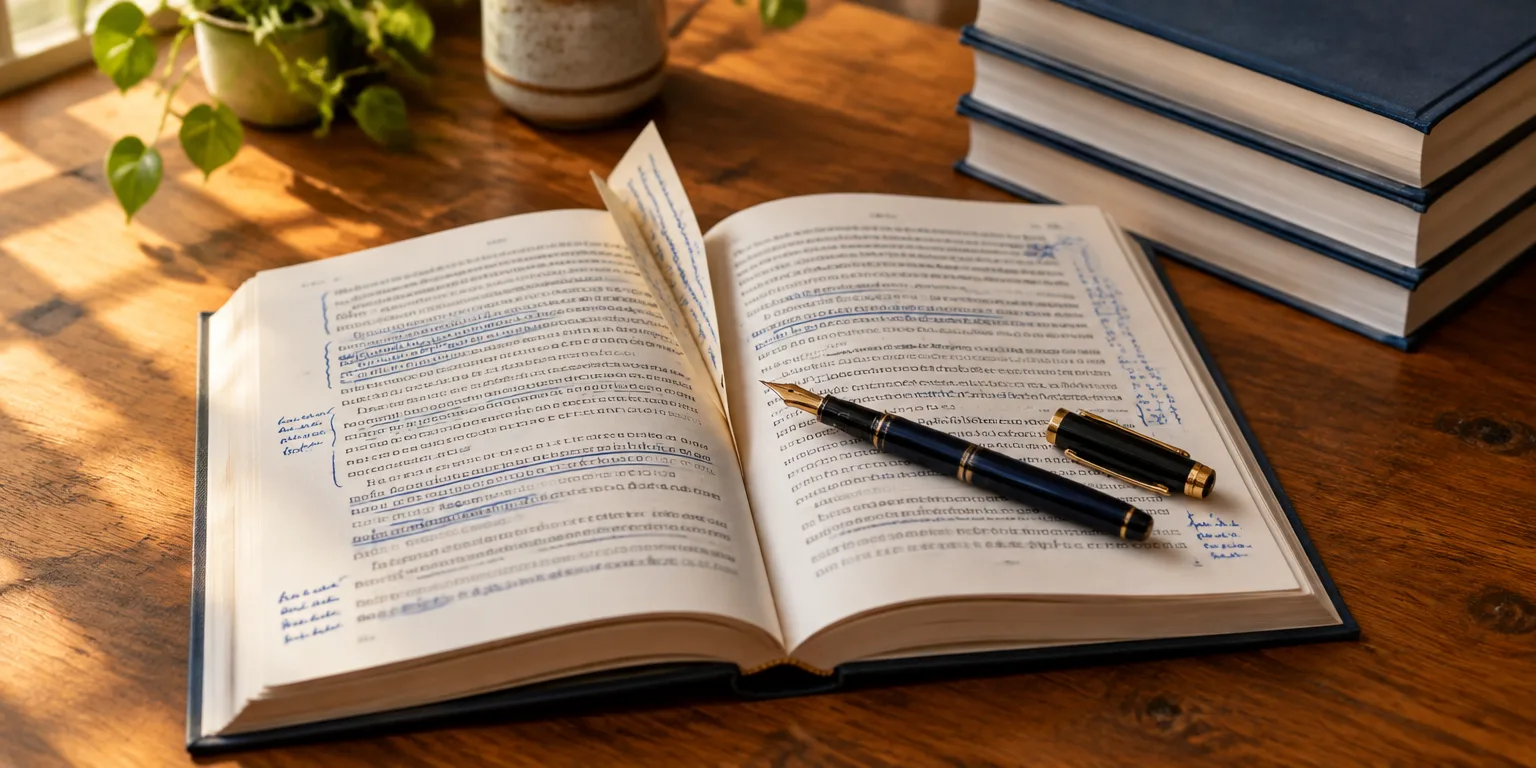
He wrote personal notes to about 500 people who were receiving early copies. In each copy, he marked by hand the pages he thought that specific reader would like, and he named those pages in the note. The work took well over 100 hours.
That effort is the point. Bloom says the work paid off in extraordinary support from those early readers, the kind of word of mouth and loyalty that launches depend on. He had chosen the long road at a time when a shortcut was getting easier to take.
He learned afterward that a few authors he knew were replicating the strategy in an automated, scalable manner. As Bloom tells it, they had their publishers insert printed notes designed to look handwritten, and they marked the same generic set of pages in every early copy. It was quick and efficient, and Bloom says it was entirely ineffective.
Bloom puts the lesson in one line: "the signal moves to the things that can't be faked." He argues that when outreach "becomes cheap, easy, and exciting to automate," the output stops carrying useful meaning. He says a reader who gets an email or application that is obviously AI automated feels aversion on seeing it, "a negative signal rather than a neutral one."
His notes pointed each reader to pages that reader would like, while the imitations pointed everyone to the same pages.
Questions people ask
Why does a handwritten note work better than a printed one?
A real note signals time, attention, and knowledge of the other person. Research on gratitude and helping finds people value that effort, and they often can tell when personalization is specific rather than generic.
How can you tell if personalization is real?
Look for specificity. Real personalization names a detail only that sender would know about you, while fakes tend to use vague praise and mark the same pages or phrases for everyone.
Does this mean you should never use AI to help?
No. Bloom's distinction is to use AI for research, brainstorming, and testing ideas, but not to replace the human part where effort is the message. If the recipient is meant to feel cared for, automation undercuts it.