2001 Moves Slowly in Space So Its Stars Stay Steady
Tests showed faster moves made starlight flicker, so the filmmakers held to what author and filmmaker Michael Benson calls a speed limit.
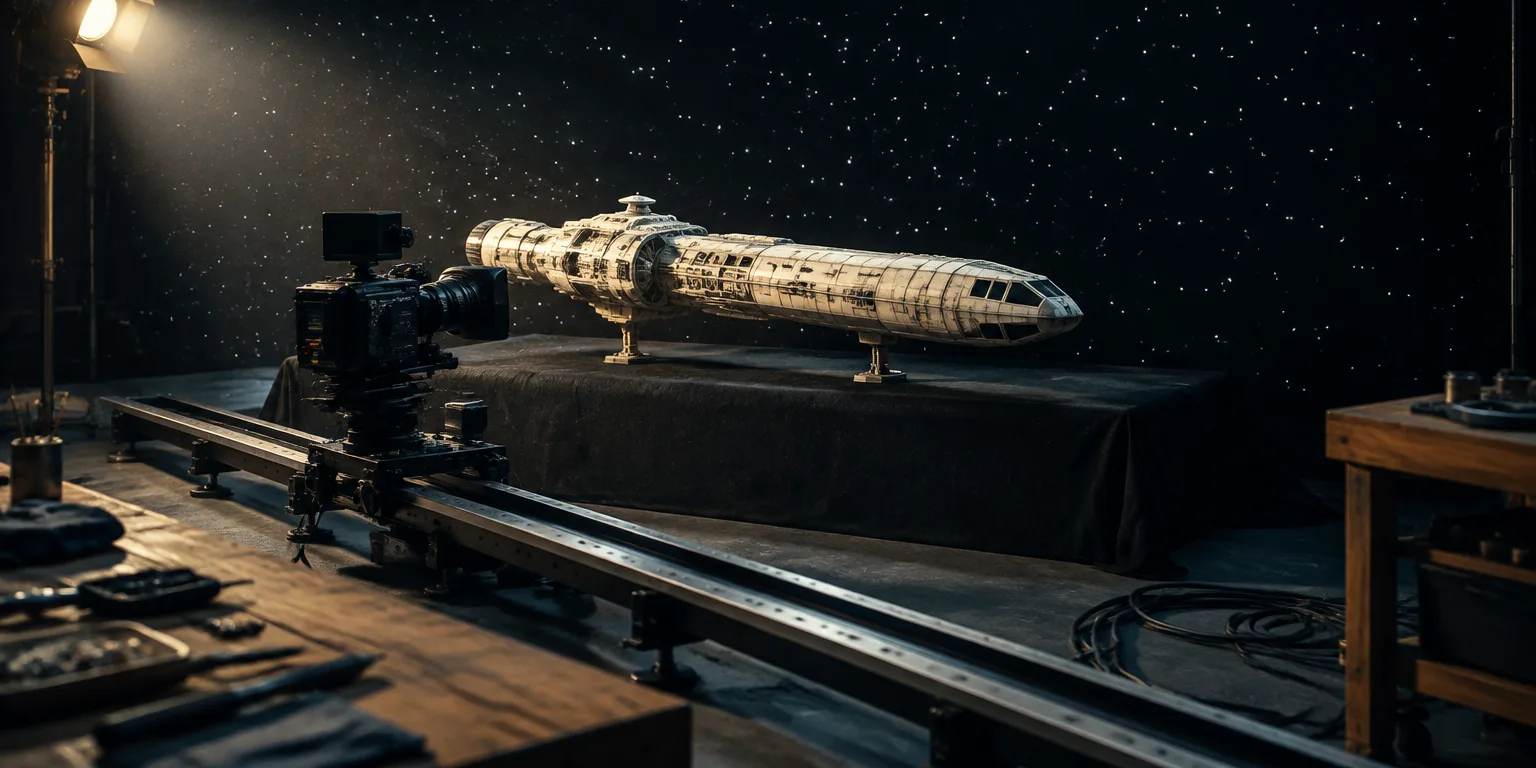
 Every Single Sci-Fi Film Ever* · 2001: A Space Odyssey (Part 2)
The spaceships in 2001: A Space Odyssey crawl for a technical reason. Move the camera any faster and the stars behind them would not stay still.
That is the explanation offered by Michael Benson, an author and filmmaker. When the effects team tested its space sequences, including the long approach of the Discovery toward Jupiter and a small pod easing toward the ship, it ran into the limits of shooting at 24 frames per second, or 24 still pictures flashed each second.
At that frame rate, a faster camera move made the tiny points of starlight jump too far from one frame to the next. Instead of gliding smoothly, they flickered and strobed.
Benson said the filmmakers "wanted the stars to look rock solid," as they would in space with no atmosphere. In a vacuum there is no air to make starlight shimmer, so the background was meant to stay steady.
So they kept the camera moves slow and stately. That restraint helped set the deliberate pace that many viewers notice.
George Lucas, the filmmaker behind Star Wars, simply did not mind the flicker. His space action was fast and kinetic, closer to fighter combat, so viewers were watching the ships and not studying the stars.
For 2001, slow moves kept the stars still.
Questions people ask
What does it mean for stars to strobe on film?
At 24 frames per second, the camera takes 24 still pictures every second. If a small bright dot moves too far between one picture and the next, your eye reads it as jumping or flashing rather than gliding smoothly, an effect filmmakers call strobing or flicker.
Why should stars look rock solid in space?
On Earth, starlight passes through moving air, which bends it and makes stars appear to twinkle. In space there is no air, so the stars look fixed and steady. The 2001 team wanted to preserve that stillness.
Did Star Wars have the same technical problem?
Yes, because it was also shot and projected at 24 frames per second. The difference is that its fast dogfights kept the audience focused on the ships, so any flicker in the background stars was much less noticeable.