300,000 People Can Sue One Company Without 300,000 Trials
All the federal cases go to one federal judge, who streamlines the paperwork and tries a dozen representative claims to guide settlement for the rest.
 Original Jurisdiction · The Maestro Of Mass Torts: Christopher Seeger
The American lawsuit was designed for a simple fight, one injured person suing one company, or maybe five people hurt in the same van crash. That model breaks when the plaintiffs number in the hundreds of thousands. Christopher Seeger, a plaintiffs' lawyer who works on these giant cases, was involved in the 3M Combat Arms litigation that included about 300,000 plaintiffs. "They all can't go to trial, obviously," Seeger says.
The workaround starts with geography. Lawsuits are first filed in courts all over the country, but when there is a critical mass, a seven judge panel appointed by Chief Justice Roberts moves them together into what is called multidistrict litigation, or MDL. All the federal cases go to one federal judge, in part to avoid inconsistent rulings from different courts applying different laws.
That judge then assembles leadership. It used to be that plaintiffs' lawyers met and handed the judge a slate for lead counsel and committees. Seeger says judges now often build what he calls a virtual law firm themselves, after lawyers submit written accounts of their experience and make a two or three minute pitch in court.
The cases remain individual, which is what separates a mass tort from a class action. In a class action, allowed under a federal court rule when the facts and the law are common, one representative sues for everyone, which Seeger likens to representative government. In a mass tort, each person still has a separate case, so courts use shortcuts. Instead of conducting written questions called interrogatories for every plaintiff, everyone fills out a plaintiff fact sheet of about 10 pages with the most important information.
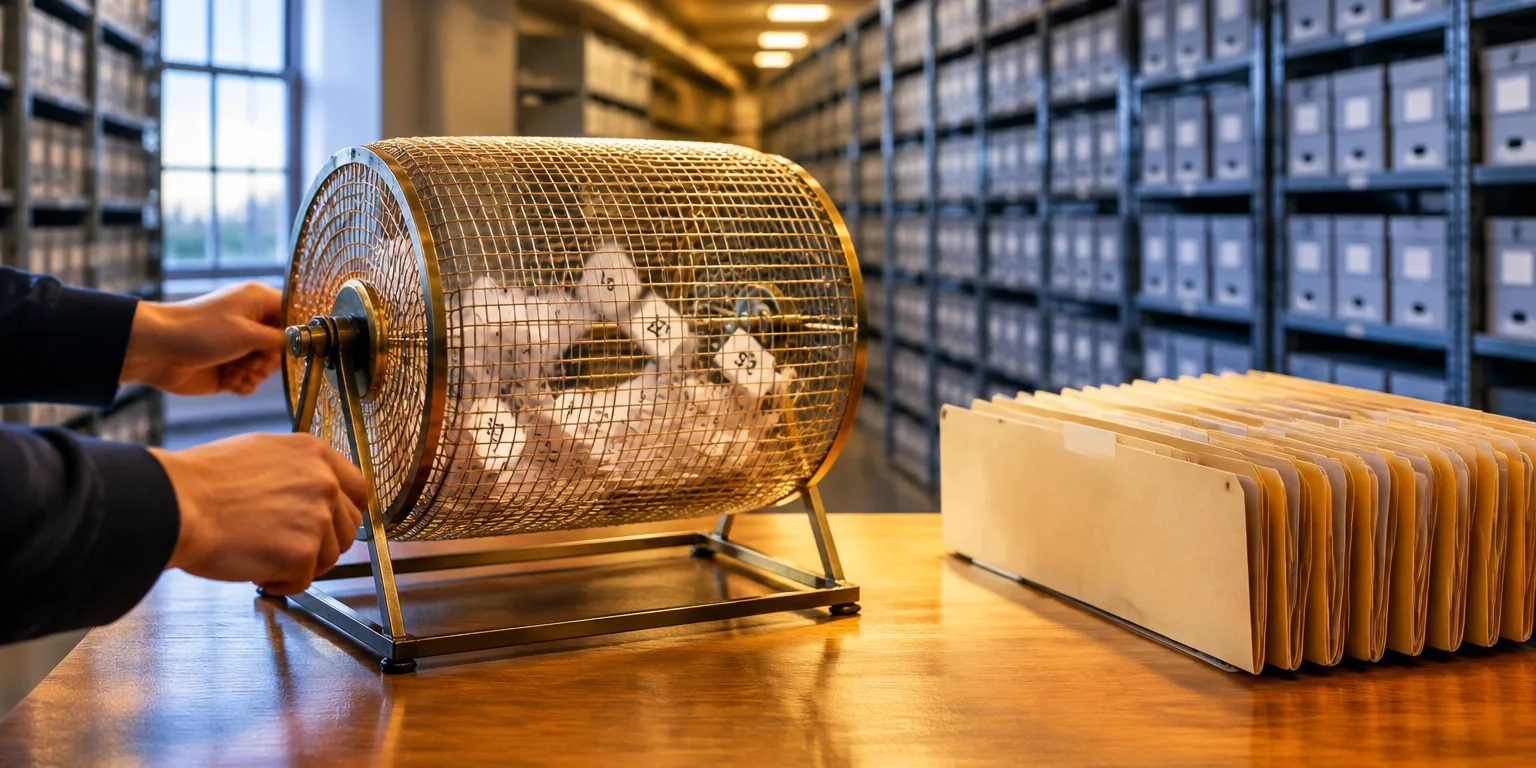
Then comes the bellwether, the test trial. The court selects about a dozen cases out of thousands to be tried first, and both sides use the results to guide settlement talks for the rest. Choosing them is, in Seeger's word, incredibly contentious, because each side wants to push forward cases it will win. The method has evolved from letting plaintiffs pick, to letting defendants pick, to alternating picks, to random sampling with a little math, often with both sides then choosing from a randomly selected pool and the judge weighing in. Done right, the trials produce usable information about what thousands of untried cases might be worth.
Questions people ask
Do the test trial verdicts legally decide everyone else's case?
No. Each plaintiff keeps a separate claim, and a bellwether verdict applies only to the people who tried that case. The value of the system is information, because wins, losses, and dollar amounts tell both sides what juries think similar injuries are worth.
Does that one judge handle everything, including the trials?
Mostly yes for pretrial work and for the bellwethers themselves. The MDL judge oversees evidence gathering and tries the test cases. If the bulk of cases do not settle, individual cases can be sent back, or remanded, to the courts where they were first filed for their own trials.
Who pays the lead lawyers who do work for all 300,000 plaintiffs?
Usually through a court approved assessment called a common benefit fee. Lawyers who run the shared work, like depositions, documents, and experts, keep track of their time, and the judge orders a small percentage to be taken from the fees in individual cases and paid to them for work that helped everyone.