400 Shoppers Ordered the Same 23 Groceries and Got Different Prices
The test held store and timing constant, and Instacart described the price differences as routine testing.
 This Past Weekend w/ Theo Von · #693 - Consumer Advocate Lindsay Owens
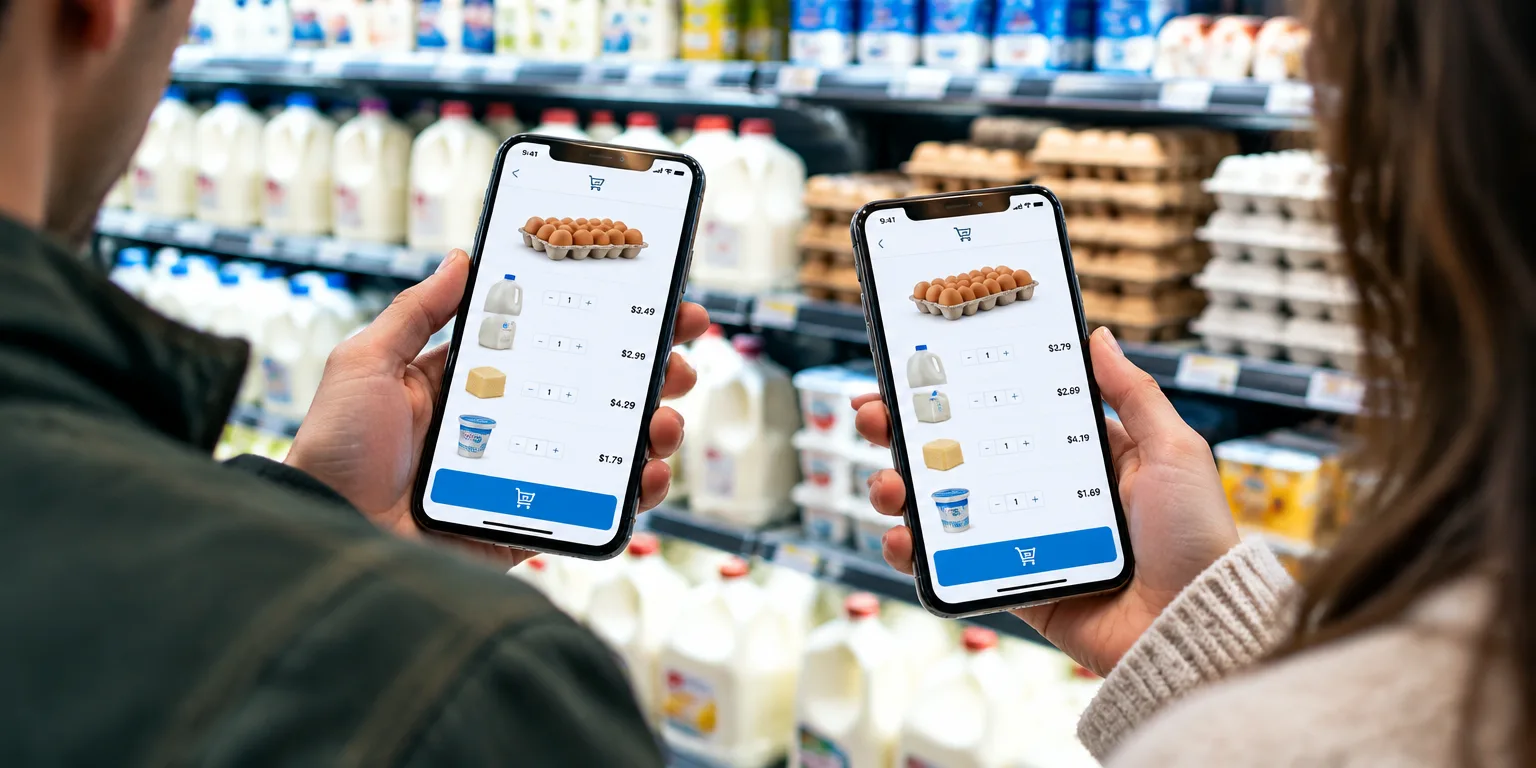
The assignment sounded like a secret-shopper game. Open the Instacart app, set the pickup to the same store, add the same 23 groceries to the cart, and take a picture of the prices.
Four hundred volunteers did it at the same time last December. The test was organized by Lindsay Owens, a consumer advocate, working with Consumer Reports and More Perfect Union.
The shopping list was deliberately ordinary. It covered breakfast, lunch, and dinner, including a dozen Lucerne eggs, a 16-ounce box of store-brand frosted flakes, deli meat, and apples.
Then researchers collected the screenshots, typed every price into a spreadsheet, and compared. For 75% of the items, different shoppers were shown different prices even though the store, item, and timing were identical.
The gaps were not rounding errors. Some prices differed by as much as 23%, enough that one shopper could pay about $1.50 more than another for the same dozen eggs.
The test had held the usual explanations steady. Shoppers selected the same store and pickup location, such as a Kroger in Nashville, Tennessee, so the difference did not come from shopping in different neighborhoods.
Owens said Instacart later acknowledged what was happening. The company described it as typical A/B testing, conducted, in its telling, to help make shopping more affordable.
But the higher prices were real charges, not hypothetical numbers. And shoppers had not agreed to be part of a pricing experiment.
The clue to the method came from a corporate purchase. Owens said Instacart had bought an artificial intelligence company called Eversight, whose software was built to help companies test prices on shoppers without their knowledge.
Questions people ask
Why does this work differently online than in a store?
In stores, the price on the shelf is generally the price everyone pays at that time, and charging different customers different prices for the same item would be obvious at the checkout. Online, each shopper sees an individual screen, so a company can show different prices without shoppers knowing.
What happened after the test came out?
Owens said scrutiny led Instacart to wind down that particular pricing tool after the findings were released, though she argues similar testing continues elsewhere. The practical defense she suggests is old fashioned comparison, checking carts with friends or on different devices.
Do companies ever have a legitimate reason to test prices?
Companies sometimes say limited tests help them find lower prices or better offers, and price differences can also reflect store, delivery, or promotion settings. The issue in this test, Owens argues, is that location and items were the same and shoppers did not consent to be experimented on.