A 2,000-Mile Persian Road Delivered Messages Ten Times Faster Than a Lone Traveler
Regular relay points let an empire move news from the Tigris to the Aegean in a fraction of the time.
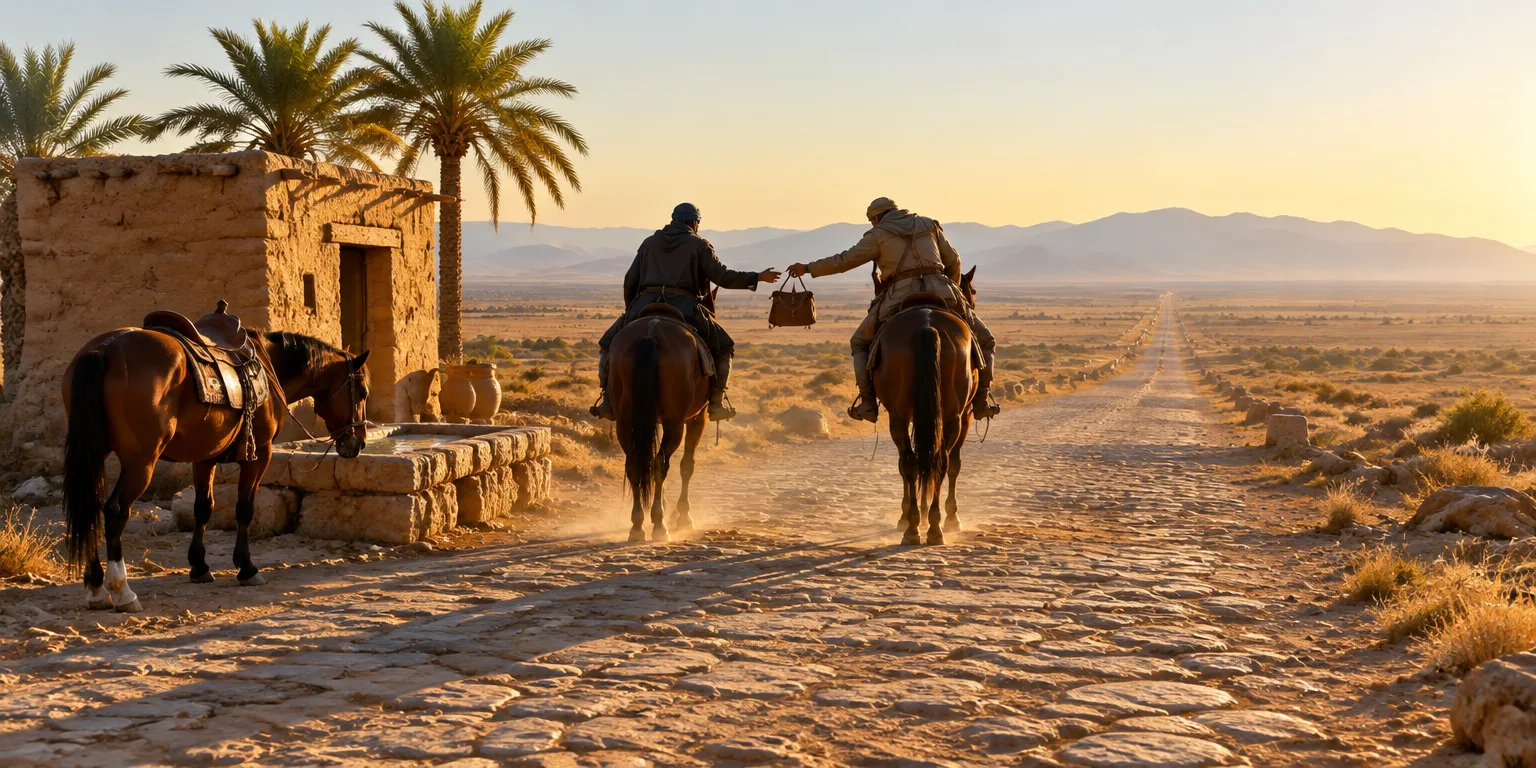
 TED-Ed · The Silk Road: Connecting the ancient world through trade - Shannon Harris Castelo
In the fifth century BCE, Persia built a delivery system that moved messages nearly 10 times faster than a single traveler could manage.
The Persian Royal Road ran about 2,000 miles between the Tigris River in the east and the Aegean Sea in the west. It was completed under Darius the First as one of the key routes that later fed the Silk Road.
The trick was relays. Instead of one traveler making the whole trek, messages and goods moved through regular relay points that broke the journey into stages. That handoff cut the trip to about one-tenth the time.
Questions people ask
How long did the trip actually take?
The one-tenth speedup comes from the source itself. The day counts come from outside it: Herodotus, in his Histories, reckoned the Sardis to Susa section at about 90 days on foot. He celebrated Persian couriers for covering that same Sardis to Susa section in about a week, so those figures describe his measured stretch, not the full Tigris to Aegean route described here.
How did the relay stations work?
The source describes them only as regular relay points that let goods and messages move in stages. In practice, that meant a carrier handed off the load instead of traveling the whole road. Fresh carriers kept the load moving.
What traveled on the road besides messages?
The Royal Road carried goods and official messages, including orders, taxes, and news. Merchants also moved along these routes under protection.