A 20-year-old cook moved to Reno to build AI data centers he is not sure should be everywhere
Short on kitchen shifts in California, Chris Williams went to Reno for work on buildings that house AI computers.
 Reuters World News · Spain mourns, Bolsonaro's declaration and cruise residents stranded
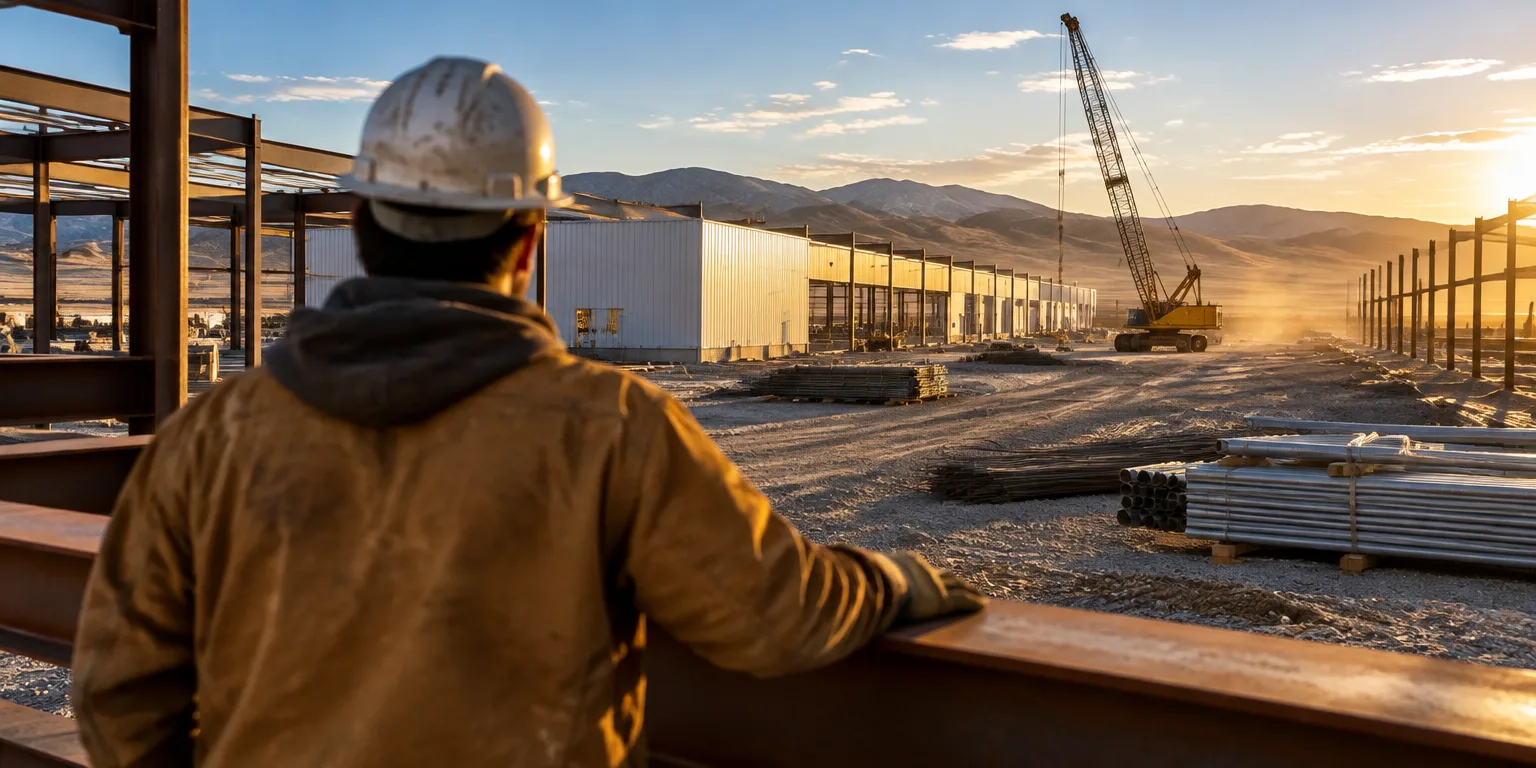
Chris Williams was short on kitchen shifts in California a year ago, where he worked as a line cook, the worker who cooks dishes to order during meal service. The 20-year-old left for Reno, Nevada, to join crews putting up the huge buildings that hold the computers behind artificial intelligence.
Williams is one of many construction workers who have gone to Northern Nevada for work tied to AI. Companies such as Google and Switch are building out large sites for data centers there, the buildings filled with computers that store data and run AI programs.
He went from kitchen shifts to construction. In California, the problem was too few shifts. In Reno, Williams found a place helping assemble structures built to meet demand for AI computing.
He has mixed feelings about the work.
“I might not fully agree with being like data centers being built everywhere, but... it is helping a lot of people,” Williams said.
Questions people ask
What exactly is a data center?
A data center is a large building filled with computers that store data and run software, including AI programs. The computers need a lot of electricity and cooling, so the buildings are big, plain, and expensive to build and operate.
Why are companies building so many data centers near Reno?
Reno has relatively cheap land, access to power and fiber connections, and proximity to California tech companies. Nevada has also courted technology companies with tax incentives, which makes large campuses cheaper to build there than in many other states.
Why would someone be ambivalent about data centers being built everywhere?
They use large amounts of electricity and water for cooling, which can strain local grids and supplies. Neighbors also worry about noise, land use, and whether the jobs last after construction ends, since operating a data center takes fewer workers than building one.