A Banker Lent 200,000 Pounds in Three Minutes With No Paperwork
A half-hour delay would have made the payment too late, leaving the ship stuck over the weekend for a £20,000 loss.
 Founders · The Merchant Bankers
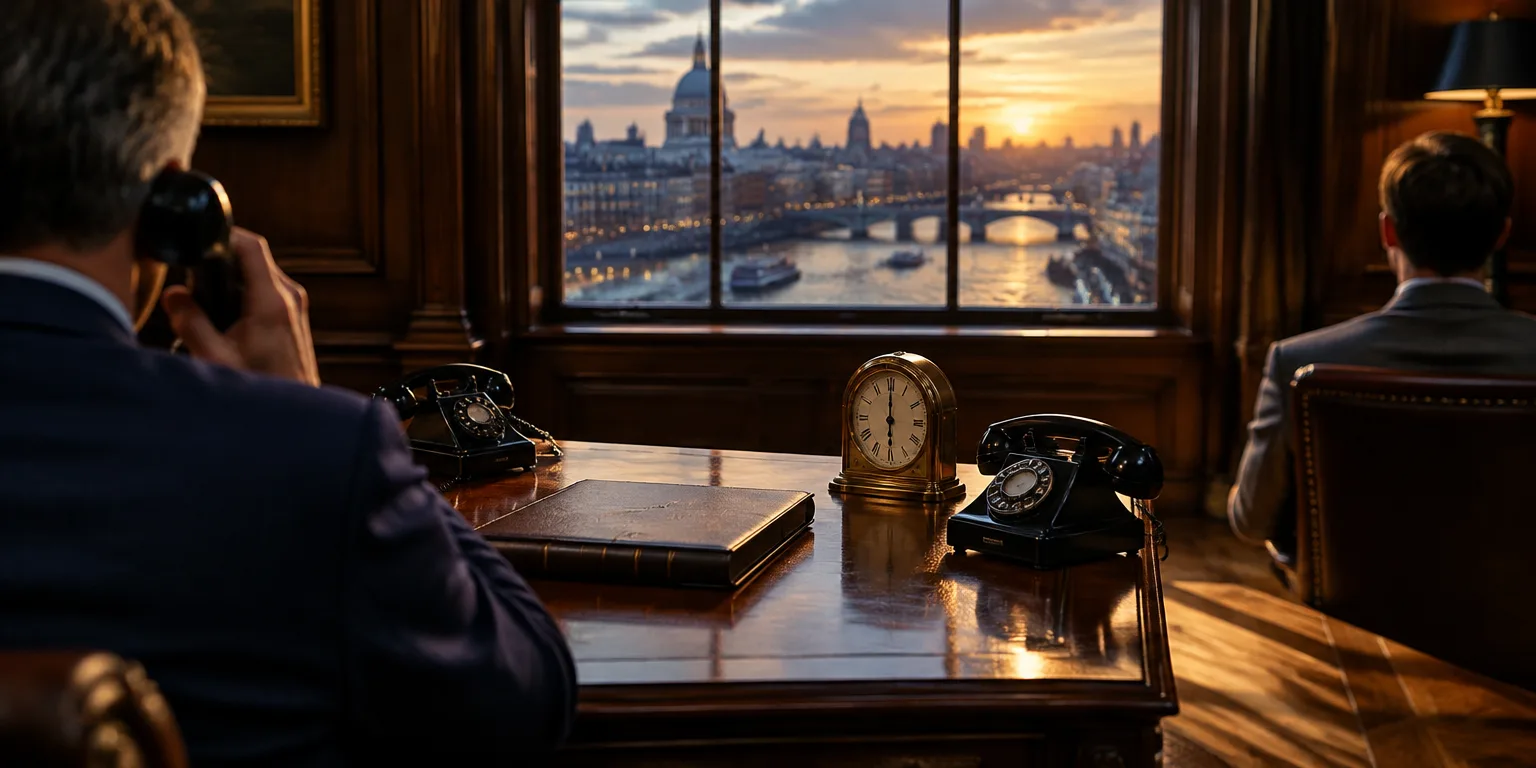
It was late on a Friday afternoon when the phone rang in the merchant banker's office. On the line was a prominent shipowner calling from Norway, and he needed money fast. A young bank manager from Germany happened to be sitting in the office, watching.
The shipowner said one of his ships had just finished repairs at a large shipyard in Amsterdam. The captain had told him the yard was holding the vessel for £200,000 in cash. If the ship sat tied up over the weekend, two days idle would cost £20,000 in charter fees and crew expenses, plus the profit the ship could have earned.
The merchant banker, a private banker whose business was lending his firm's name and credit to clients, held the Norwegian on one phone and picked up a second phone. He glanced at the time and told the caller, "It's getting late, but I'll see whether I can catch anyone at a bank in Amsterdam. Stay on the phone." He dictated a message for his secretary to send to a bank in Amsterdam, asking it to make the payment to the shipyard on the understanding that the ship would be released at once.
This is what merchant banking was for. As the banker put it, his bank had "no large bureaucracy inside" but "a vast network outside," and relied on the prestige of its name. People trusted it, so it could bridge two sides that did not trust each other.
Within three minutes, the second phone rang. The Amsterdam bank confirmed that it had already told the shipyard the money was at its disposal. There was no paper and no contract. The merchant banker thanked the caller, picked up the first phone again, and told the Norwegian that the payment was arranged and the ship would be released within minutes.
The German visitor was petrified. He had followed the calls first with curiosity, then amazement, then alarm. He said he could give half a dozen reasons he would be fired for doing the same thing. He also questioned the voice on the phone, then asked, "How do you know he's good for the £200,000? And worst of all, you didn't even check with your superiors."
The merchant banker said, "If I had waited half an hour longer, it would have been too late to arrange the credit in Amsterdam. Our client would have lost £20,000 over the weekend, and we might have lost a good client." He said the man came to him for fast, personal service, and added, "I couldn't tell him, 'I'll call you back.'" The big banks, he said, would have taken a week, moving the request through channels and committee meetings. "If we acted like that, we would be out of business in a couple years."
He had known the Norwegian for years, he said, and trusted him, while the Amsterdam bank trusted his bank's name. What took three minutes by phone, he said, would have taken the big banks a week.
Questions people ask
What exactly was a merchant bank?
A merchant bank was a small, private bank, often run by a family or a few partners. Its business was putting its trusted name behind a client's payment, so that others would accept its promise to pay.
Why would a bank in Amsterdam send money on a phone message?
The Amsterdam bank acted because it trusted the merchant banker, not because it trusted the shipowner. The account explains the Amsterdam bank might not trust the shipowner, and the shipowner might not even have access to that bank. The book's point is that both sides trusted the merchant bank to stand between them.
What would have happened if the shipowner did not pay back the money?
The Amsterdam bank paid on the merchant banker's promise, so his firm was on the hook if things went wrong. The book describes merchant banking as a "willingness to suffer loss if need be, rather than tarnish by one unworthy act the good name of the firm." Warren Buffett made the same point to his own firm: "you can lose a little money you cannot lose a shred of our reputation."