A billionaire builder budgets houses to the penny
Tom Bradberry says one or two of about 250 monthly closings land exactly on budget.
 Forbes · This Billionaire Builder Wants To Make Homes Affordable
Tom Bradberry, the 80-year-old executive chairman of Smith Douglas Homes, had just built his first house when he asked his father for advice.
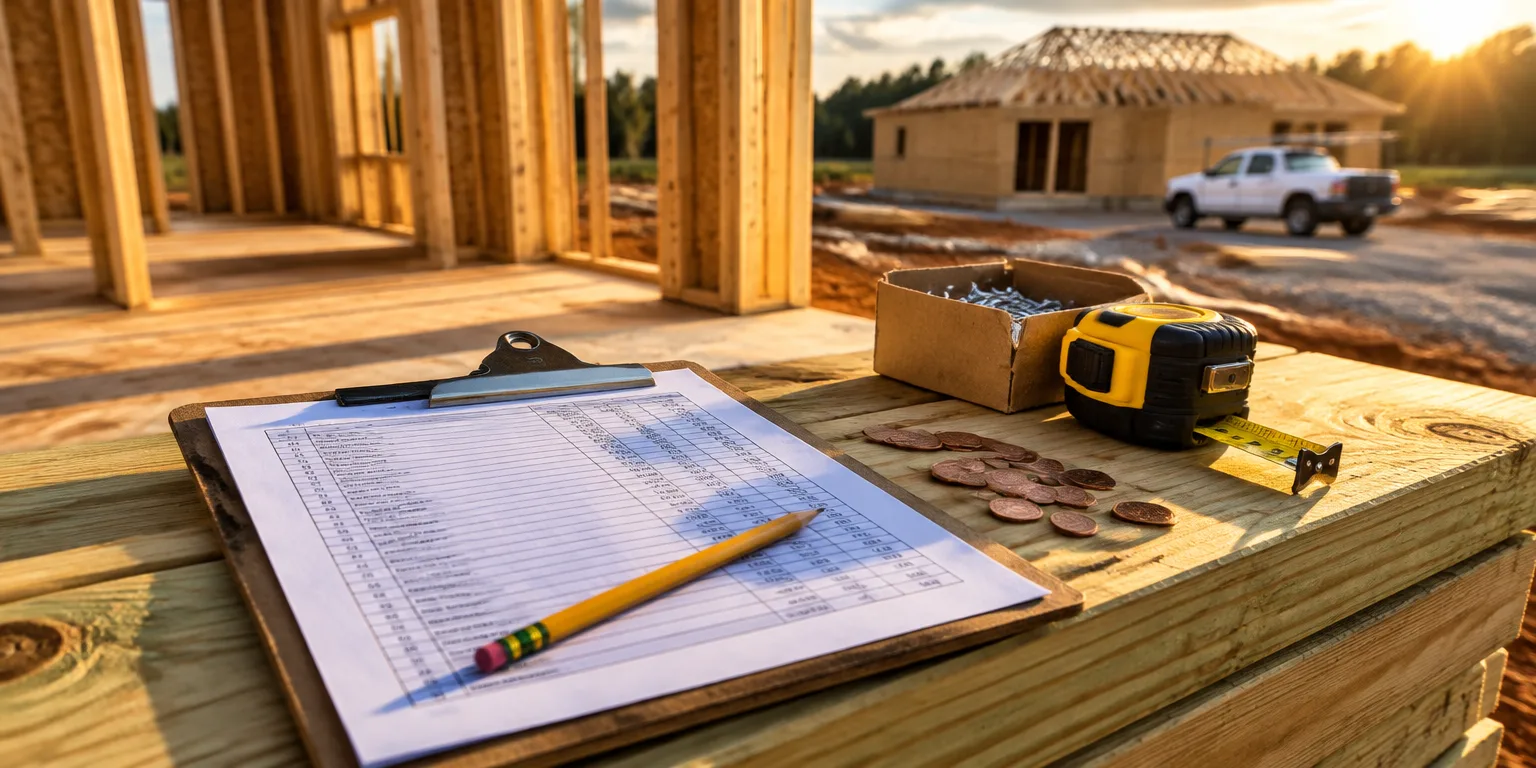
His father told him, "Son, if you watch the pennies the dollars will take care of themselves."
Out of about 250 closings in a month, Bradberry says, one or two houses will have cost to the penny exactly what was budgeted. He argues that no other homebuilder has those strict controls.
Bradberry says he built his company around that advice. Smith Douglas, based in Woodstock, Georgia, closes about 250 houses a month. Bradberry says each house is budgeted to the penny, and its final cost is checked against what the company said it would cost. He believes that if the pennies stay in line across hundreds of his houses, the larger business takes care of itself.
His first job was selling airplanes. When rising interest rates stalled that business in 1969, he moved into real estate, sold his first house in 1975, and started Atlanta-based Colony Homes.
To keep strict controls while growing, Bradberry says, he bought early construction management software after meeting Lee Evans, then the dean of building construction at the University of Denver, at a seminar. He bought that software during the meeting and spent the next year implementing it, which he says gave him the ability to grow while keeping the strict controls he has today.
Smith Douglas now owns its software and uses in-house programmers. Bradberry says the company can adjust the software to fit its needs, and any schedule change is visible to the company and its trade partners within a second.
Questions people ask
How can a builder estimate a whole house to the penny?
They break a house into thousands of line items, from lumber and roofing to nails and labor hours, and lock in prices with suppliers and contractors before work starts. Software then tracks purchases and schedule changes as they happen. The final cost is compared with the original estimate to find where the forecast slipped.
Do other big homebuilders do this too?
Large builders all track costs closely, but most compare broader categories or allow larger variances. Hitting an exact penny-for-penny match on even one house in a month is unusual because weather, labor delays, and material prices move. Bradberry presents that discipline as what sets his company apart.
Why does saving pennies matter on a house that costs hundreds of thousands of dollars?
Small overruns add up fast when a company closes hundreds of homes a month. Catching a $50 waste on one type of fitting can save tens of thousands of dollars across a year of production. That savings can keep the sale price lower for buyers with tight budgets.