A Boston Merchant Sold Ice to People Who Had No Use for It
He packed Boston ice in sawdust, lost most of it at sea, and taught a hot South American market to love a cold drink.
 My First Million · The oldest trick in the book to make your first million
Frederic Tudor, a merchant living near Boston who became known as the Ice King, learned that people in South America never had snow and never had ice. He decided to sell them ice.
This was before refrigeration, before the freezer had been invented. Tudor's plan was to take blocks of ice where it was plentiful, load them onto boats, and sell them where winter never arrived. He was selling winter itself.
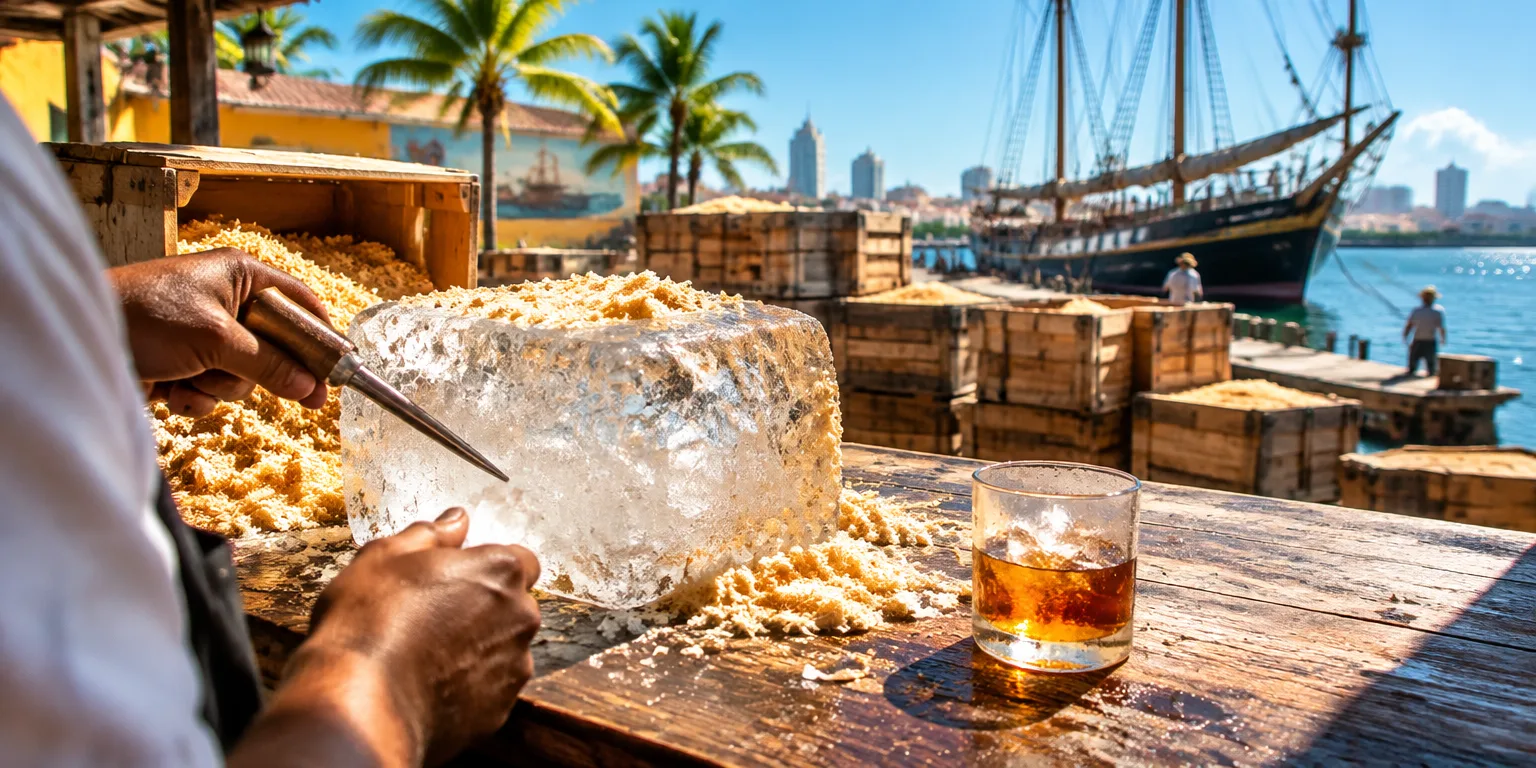
The problem he had to solve first was that the ice melted during the long voyage south. Tudor experimented with insulation, first wrapping the blocks in wool and then covering them with sawdust, which preserved the ice a little longer. On one shipment he started with 200 pounds and arrived with about 70 pounds left, and he sold what remained.
When he arrived, buyers did not know what to do with it. Some came back complaining that it had melted. As Tudor understood it, that is simply what ice does when it is hot outside.
So he decided he had to make people want it. He settled on one product that could carry the whole business, a cold drink on a hot day. He went to bartenders, chipped off small pieces for free, and asked them to start serving rum chilled.
Drinkers who tried cold rum did not want to go back to it warm. Demand started to build. Tudor kept improving how ice was packed, stored, and shipped, pioneering better ways to move cold over long distances, and he built an impressive trade.
In the end, that success taught the lesson too well. Once people understood that water could be frozen to make ice themselves, the need to ship natural ice thousands of miles collapsed. Tudor had put himself out of business.
Questions people ask
How did he keep ice from melting on a weeks-long voyage without refrigeration?
He cut large blocks from frozen lakes and rivers in winter, insulated them with sawdust and wool, packed them tightly in a ship's hold, and sailed them south. Even with heavy melting, enough survived to sell, and over time he developed better insulation, storage, and handling to lose less on each trip.
Where did all that Boston ice come from?
Ice harvesting was a real winter industry in New England in the 1800s. Workers scored thick lake ice, sawed it into uniform blocks, floated them to shore, and stored them in insulated icehouses filled with sawdust for sale through warmer months and for shipment.
What finally killed the natural ice trade?
Mechanical refrigeration and commercial ice machines spread in the late 1800s and early 1900s. Once bars, breweries, food sellers, and households could make or buy locally frozen ice, paying for ice shipped thousands of miles no longer made sense.