A Broke Rebellion Captured a Vital Port Because the Guards Had Gone Fishing
The lucky capture gave William of Orange a base, and within months nearby towns expelled Spain and declared for him.
 The Rest Is History · The Nation That Invented Capitalism: The Rise of Holland | National Anthems EP 4
On the morning of April 1, 1572, a ragged fleet of rebel ships sailed toward Brill, a Dutch port that controlled the water routes into Holland and Zeeland. The men aboard were the Sea Beggars, Protestant pirates and privateers paid for by William of Orange, the German-born nobleman leading the Dutch revolt against Spanish rule. They had nowhere else to go, and no reason to expect a welcome.
William was finished, or so it seemed. By 1572 he was down to his last coppers after years of funding failed invasions, and Spanish troops had retaken the rebellious towns across the Low Countries. The one force still fighting for him was the Sea Beggars, who had been raiding from bases in England. Then Elizabeth I, the Protestant queen of England, closed those bases to avoid a break with Spain, leaving the pirates roaming the North Sea and the English Channel with no home.
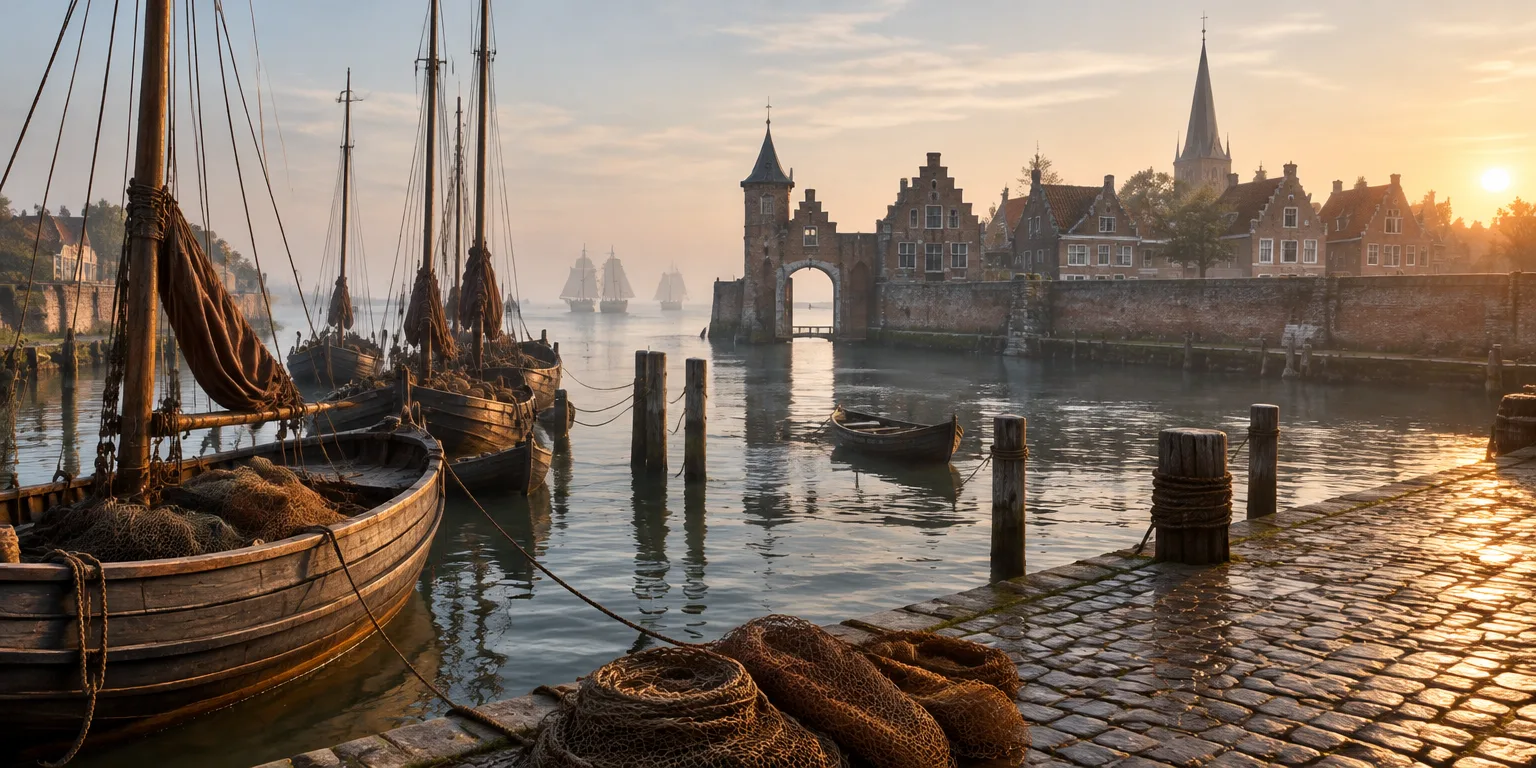
That empty harbor gave the revolt a base. Brill sat on an island in the great estuary leading out from Antwerp, and it was strategically crucial because whoever held it could threaten Spanish supply lines and rally nearby towns. When the Sea Beggars approached, they found to their astonishment that no one was there to stop them. The entire Spanish garrison had gone off fishing, convinced the war was effectively over.
They walked in unopposed. They occupied the town, sacked the Catholic churches, and set about turning Brill into a rebel stronghold. They told frightened residents that ordinary townspeople would be left alone, but priests, monks, and staunch Catholics would not.
The effect was immediate, as Protestant townspeople through Holland and Zeeland rose up, expelled their Spanish garrisons, and declared for William. By July, representatives of the two provinces acknowledged him as the man in charge, and confirmed him in his old post of stadtholder, or governor, the office Spain's King Philip II had once given him.
To square that awkward fact, the rebels insisted William was still loyal to the king, and was proving it by attacking the king's soldiers. The pretense was that Philip knew nothing of what his generals and officials were carrying out supposedly on his orders, and would have been appalled had he learned of it. It let William claim he was the king's faithful servant, even as Holland and Zeeland accepted him as their governor.
Questions people ask
Who were the Sea Beggars?
They were Protestant sailors, many of them exiled merchants and privateers, funded by William of Orange to harass Spanish shipping. The name began as an insult from a Spanish official, who dismissed Dutch rebels as beggars, and the sailors adopted Sea Beggars as a badge of pride.
Why did one small port matter so much?
Brill, now called Brielle, sits in the Rhine-Meuse-Scheldt delta where rivers and sea channels meet. In the 1500s, controlling it meant controlling access to Holland, Zeeland, and the rich trade city of Antwerp, so a small garrison there could block troops, taxes, and supplies.
Did William keep pretending to be loyal to Spain?
William continued to claim he acted for Philip II for several more years, because open rebellion against an anointed king was almost unthinkable. Only in 1581 did the rebels formally renounce Philip in the Act of Abjuration, declaring independence and scrubbing his image from coins and seals.