A CEO approved a 72-hour plan to get an unapproved drug to a dying toddler in Germany
The boy's heart remodeled, he came off oxygen, and today he is in kindergarten in Germany.
 Joys of Compounding · John Crowley - Biotech's Chief Evangelist - [Art of Investing, EP.15]
In the fall of 2019, John Crowley opened an email from Germany and found a photograph of a 1-and-a-half-year-old boy holding up a small sign. It read, please help me.
Crowley, the father of two children with Pompe disease, a rare genetic muscle disorder, was then the chief executive of Amicus Therapeutics, a biotech company developing an experimental treatment for it. The email came from a professor and doctor caring for the boy, who had Pompe disease and was not responding to an earlier approved therapy. His heart was dangerously swollen, and the physician warned in an email that without the new therapy, which he saw as the child's only hope, the boy would die from the disease.
This is a story about what drug companies call compassionate use, sending an unapproved medicine to one dying patient outside a clinical trial. At the time, Amicus was just finishing enrollment in its large final trial of the Pompe treatment, a study that cost more than $500 million and enrolled roughly 120 patients. One fragile child could not wait for approval.
Crowley said there were many reasons not to do it. The trial was still enrolling, the child was very fragile, and even the experimental treatment might fail to keep him alive. Crowley told his team: "please don't tell me all the reasons not to do it. Just tell me how we can do it if I choose to."
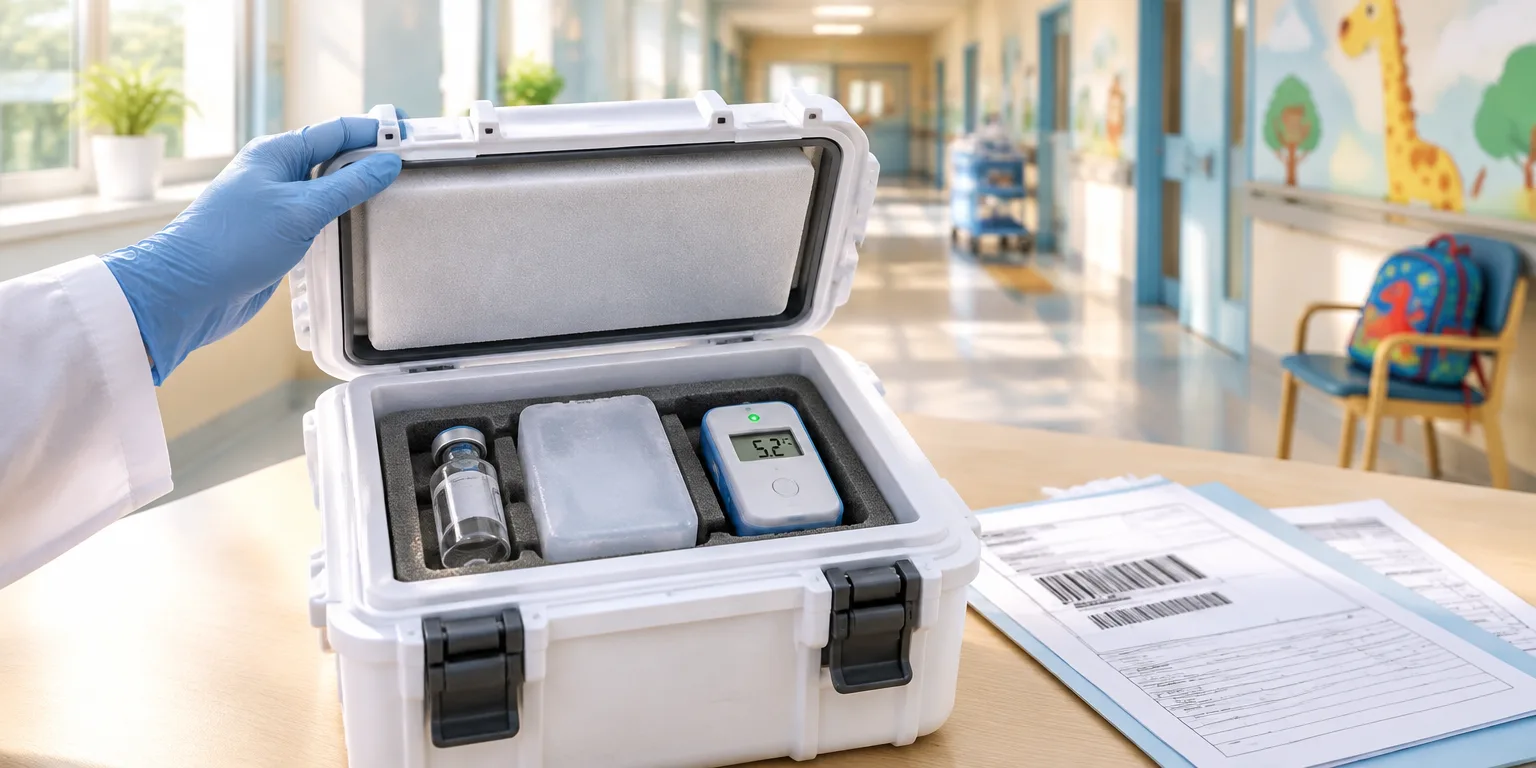
Within 72 hours, the team had an answer. Sheila, a program manager Crowley called remarkable, led the work with the rest of the group, sorting out import and export licenses, regulators, supply chains, and all the paperwork needed to move an experimental drug across borders. Crowley said, let's do it, and the drug was soon on its way to Germany.
The next photograph arrived in his inbox from the doctor. It showed the child being infused with the medicine. Crowley kept it alongside the doctor's warning and the parents' photograph of the boy with his sign.
Then they waited and hoped and prayed, as Crowley put it, that it would help. Around Christmas 2019, another email came with another picture. The boy had gone in for an echocardiogram, an ultrasound of the heart. The cardiologist wrote to Crowley: "this cannot be the same child."
The heart had responded beautifully and remodeled. The boy no longer needed extra oxygen. He was eventually discharged from the hospital, and today he is a kindergartner in Germany. He still lives with Pompe disease and uses a wheelchair, but he is bright, alert, and attentive, breathing on his own and eating.
The next December, roughly a year after treatment had begun, Crowley invited the family to join a video meeting with company staff so employees could meet them. He said a large number of patients, including many children, have since received the medicine at the company's cost until it is approved in their countries.
Questions people ask
What exactly is Pompe disease?
Pompe disease is a rare inherited disorder in which the body lacks an enzyme that breaks down stored sugar in muscle cells. The sugar builds up and damages muscles, including the heart and the muscles used for breathing, which is why infants with the severe form often have enlarged hearts and need ventilators.
What is compassionate use?
Compassionate use, also called expanded access, lets a doctor obtain an experimental drug for a seriously ill patient outside a clinical trial when no approved option works. The company must agree to provide it, and regulators in both countries usually must grant permission, along with import and export licenses.
How did the team put together a plan in 72 hours?
The staff had to line up manufacturing supply, legal papers, and approvals from regulators and hospitals in two countries. They also arranged cold storage, customs clearance, and delivery to the treating hospital, all while the main clinical trial was still enrolling.