A chatbot can take 20 seconds. A car cannot.
Digital AI lives behind a screen. Physical AI has to act in the world, around people, on affordable hardware.
 Business Breakdowns · Applied Intuition: A Billion Intelligent Machines - [Business Breakdowns, EP.248]
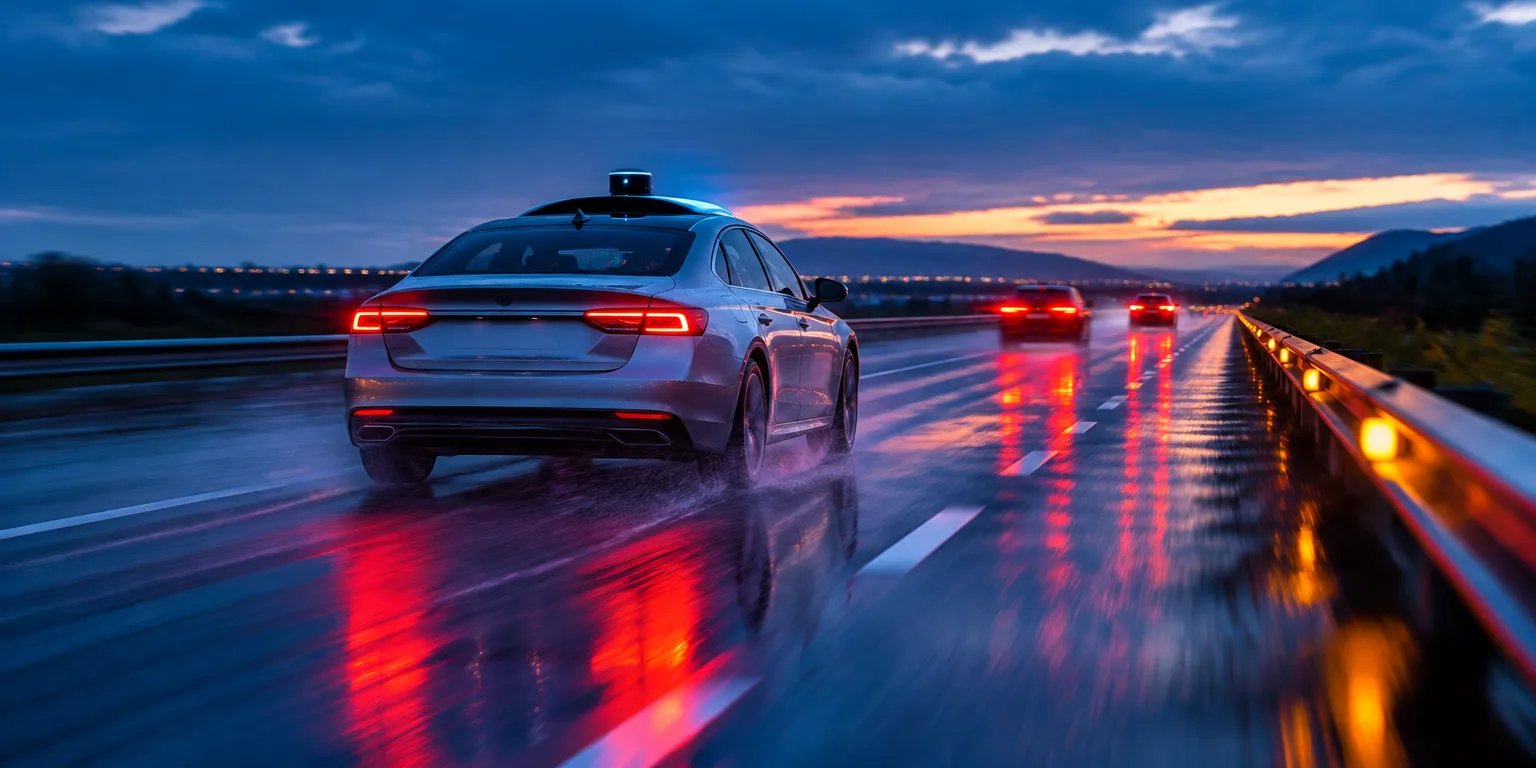
Ask a chatbot for a biography and it can take 20 seconds to process that information and that is fine. A car going down the highway or a humanoid robot making a choice about what to do next does not have that luxury.
That is the core difference between an answer on a screen and a decision by a moving machine, said Qasar Younis, co-chief executive of Applied Intuition, a company that builds software for intelligent machines. Digital AI, like chatbots and other systems that retrieve information, lives behind a screen. Physical AI lives in the real world, where hardware moves through time and space with people nearby.
Once a machine moves near humans, safety becomes a serious concern. The software must interpret sensors, decide what to do, and act within hard, real-time limits.
It must do all that inside two tight envelopes. One is time. The other is cost and computing power, Younis said. A chatbot can borrow enormous computing power in a data center. A car, a delivery robot, or a humanoid must carry its brains with it, on chips that are affordable for that particular use. Engineers cannot simply throw endless computing at the problem.
Peter Ludwig, Applied Intuition's other co-chief executive, put the line this way as the difference between AI that shows a result on a desktop or phone screen and AI for anything in the real world that actually moves. That crossing is where the real economic impact will be felt, because so many industries depend on things that move.
Questions people ask
Why can't a self-driving car just send its video to the cloud for processing?
It can send some data to the cloud for training and longer-term planning, but moment-to-moment driving cannot wait for a round trip. Cell service drops in tunnels, garages, and rural roads, and even a one-second delay at highway speed means traveling nearly 90 feet blind. So the car needs enough onboard computing to keep driving safely even when disconnected.
Why not just put a supercomputer in every car or robot?
Power, heat, space, and price all get in the way. A data-center graphics processor can use more than 1,000 watts and needs heavy cooling, while a car or humanoid has a limited battery, little room for fans, and a sale price it must meet. Automakers count every dollar and watt, so the AI must run well on modest, automotive-grade chips.
What makes a mistake by physical AI different from a chatbot error?
A chatbot error is usually just wrong text on a screen, which a person can ignore or correct. A physical AI error moves metal, whether that is steering a two-ton car, swinging a robot arm, or changing the path of a mining truck. Because people can be hurt, developers must test far more extensively and design the system to fail safely.