A Chicago Restaurant Cut No-Shows by Making Diners Promise Out Loud
All it took was turning a statement into a question, then waiting for the answer.
 Summation with Auren Hoffman · Robert Cialdini - 7 Principles of Influence Explained
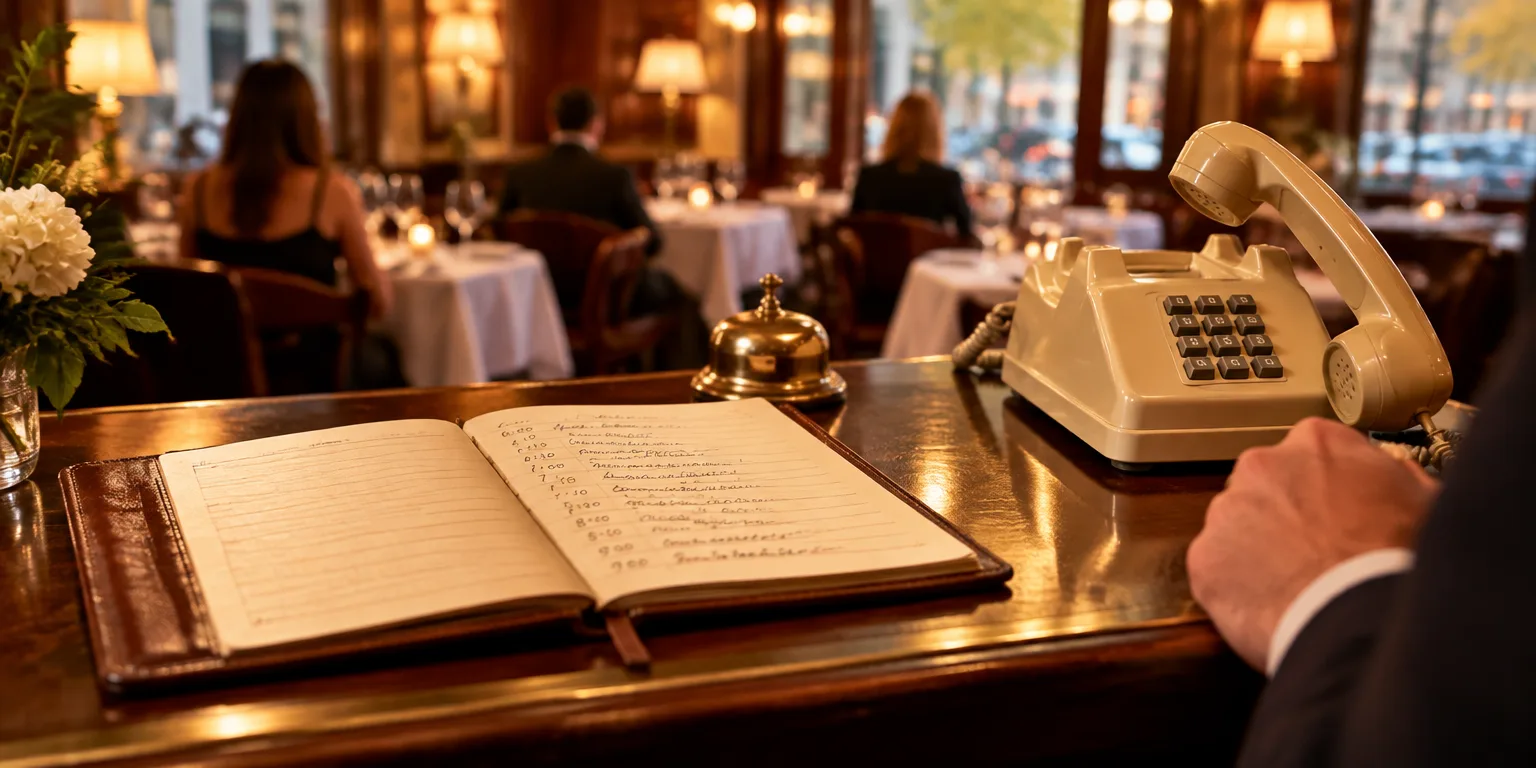
The phone would ring at Gordon's Restaurant in Chicago, and the receptionist answered with a familiar line. As Robert Cialdini, a psychologist and author who studies persuasion, tells it, she said, "Thank you for calling Gordon's Restaurant, please call if you have to change or cancel your reservation."
Too often, some of those tables sat empty. Diners who had booked did not call ahead and did not cancel. They just did not appear, and it was a big problem for the restaurant.
Cialdini's point is that people want to follow through on what they have said out loud, especially when someone else heard them say it.
The owner had read Cialdini's book on persuasion. He asked the receptionist to turn her statement into a question.
Instead of telling callers what to do, she was to ask, "Will you please call if you have to change or cancel your reservation?" Then she was to wait.
The pause is what makes the caller commit. The silence asks the caller to answer with a promise, and that spoken answer puts the caller on record.
Cialdini says unannounced no-shows fell 64% right away and stayed down.
He suggests the same approach outside restaurants. When a meeting ends with tasks for next week, ask each person to confirm aloud that they will do their part before anyone leaves. Because others heard the promise, the person is on record and more likely to follow through.
At Gordon's, the call now ended with the diner saying the promise himself.
Questions people ask
Why does saying yes out loud work better than just hearing the request?
A spoken yes turns a passive instruction into an active, public commitment. People like to act in ways that match what they have said, especially when someone else heard them say it, so breaking the promise feels like breaking character. Hearing alone creates no such pressure.
Does this work outside restaurants?
Yes, the same idea is used in doctors offices, repair shops, and work meetings. Asking patients or clients to repeat the time back, or asking employees to confirm a task before leaving the room, makes follow-through more likely. The key is a clear question, a spoken answer, and a witness.
What exactly should I say if I want to try it?
Ask a direct question that requires a yes, such as, Will you call if you need to change this? Then pause and let the other person answer. Do not rush to fill the silence, and do not accept a grunt. You want a clear yes that both of you hear.