A COVID vaccine built in 11 months may have saved as many as 20 million lives
Both Moderna and Pfizer shots were 90 to 95% effective, far above the roughly 50% that Collins says most vaccines manage, if they succeed at all.
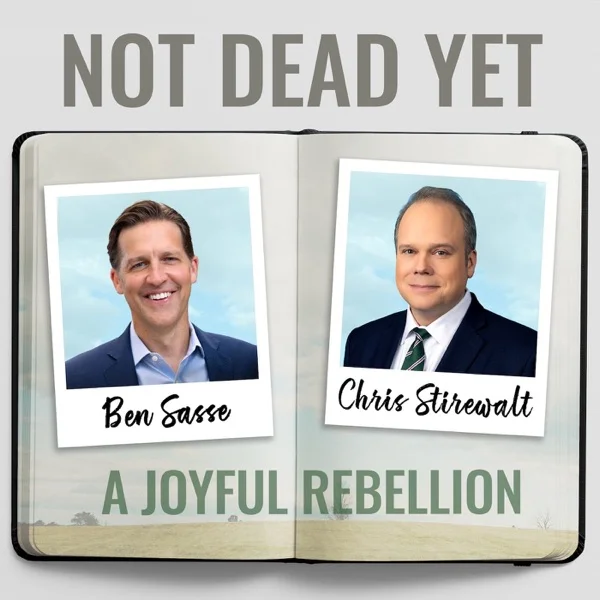 Not Dead Yet · Francis Collins
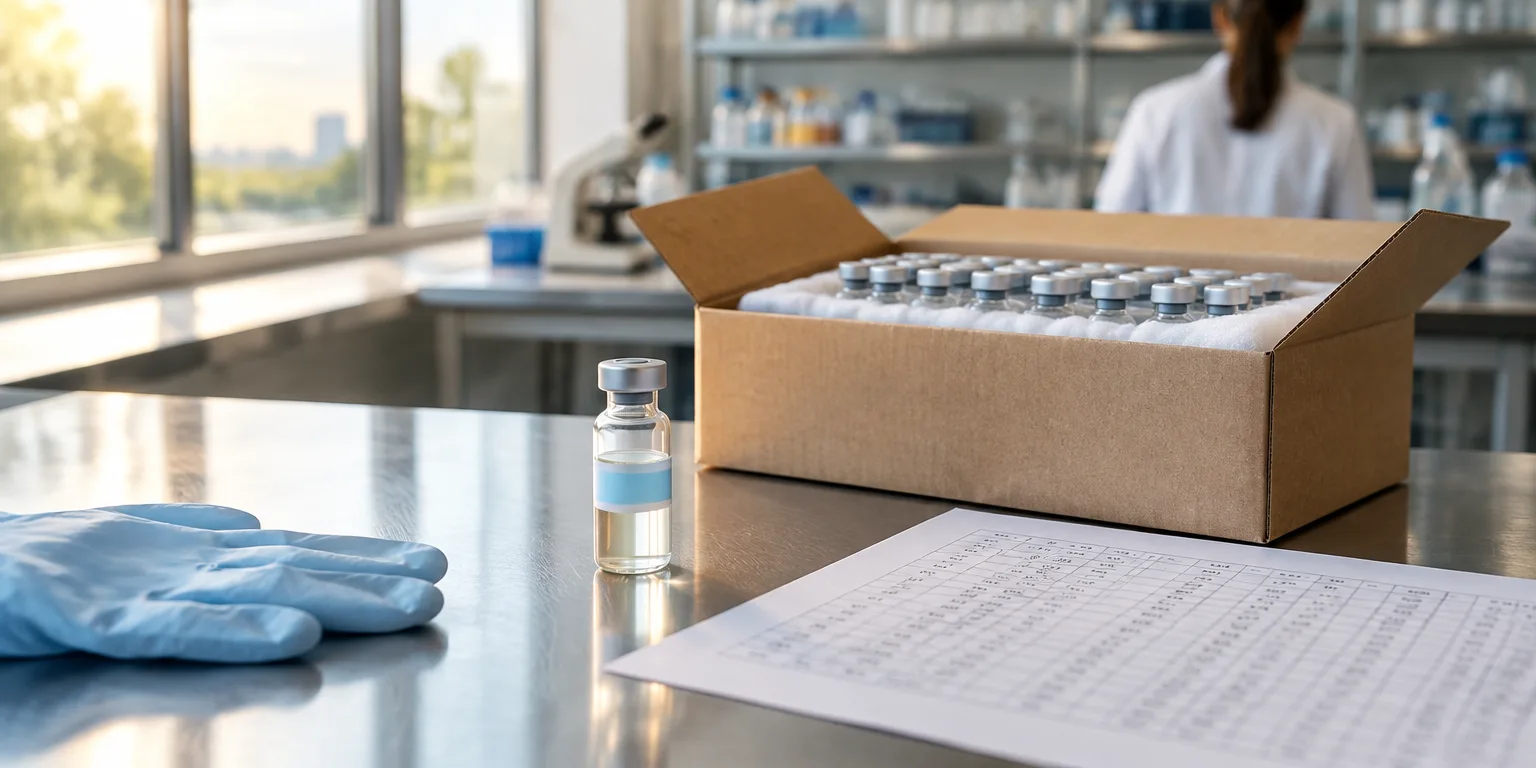
A COVID vaccine developed in 11 months saved over three million Americans and possibly up to 20 million people worldwide.
Former National Institutes of Health director Francis Collins, who led the agency from 2009 to 2021, called it "probably the most significant scientific achievement humanity has ever been able to claim." Collins described people "working 100-hour weeks as everybody did in 2020," not worrying about who would get credit, and holding to rigorous standards for proof of safety and efficacy, with "no corners being cut."
Most vaccines fail, Collins said, and successful ones may give only about 50% protection. When researchers unblinded the trial, meaning they finally revealed who had received the real shot and who had received a dummy shot, both the Moderna and Pfizer messenger RNA vaccines showed 90 to 95% efficacy against the original virus. "I was supposed to speak to the group that night, and I was crying too hard. I couldn't," Collins said.
Questions people ask
How was a vaccine made in only 11 months?
Researchers had been studying coronaviruses and messenger RNA for years before 2020, so they were not starting from zero. Governments paid for large trials and factory production at the same time, rather than in sequence, and volunteers enrolled quickly because the virus was everywhere.
What does 90 to 95% efficacy actually mean?
It does not mean 5 to 10% of vaccinated people got sick. It means vaccinated people in the trial developed symptomatic COVID at a rate 90 to 95% lower than unvaccinated people under the same conditions. It was measured against the original virus, before later variants emerged.
What is an mRNA vaccine?
It delivers short-lived genetic instructions that tell a person's own cells to briefly make a harmless piece of the virus, in this case the spike protein. The immune system then learns to recognize that piece and fight the real virus later. The instructions break down quickly and do not enter the cell's permanent DNA.