A Crib Camera Now Tracks Your Baby's Sleep and Tells You What to Do Next
It watches eye movements and night wakings, assigns an infant sleep score, and then charges a subscription to tell tired parents what to do next.
 The Daily · Health Trackers Are Everywhere. Do Babies Need Them, Too?
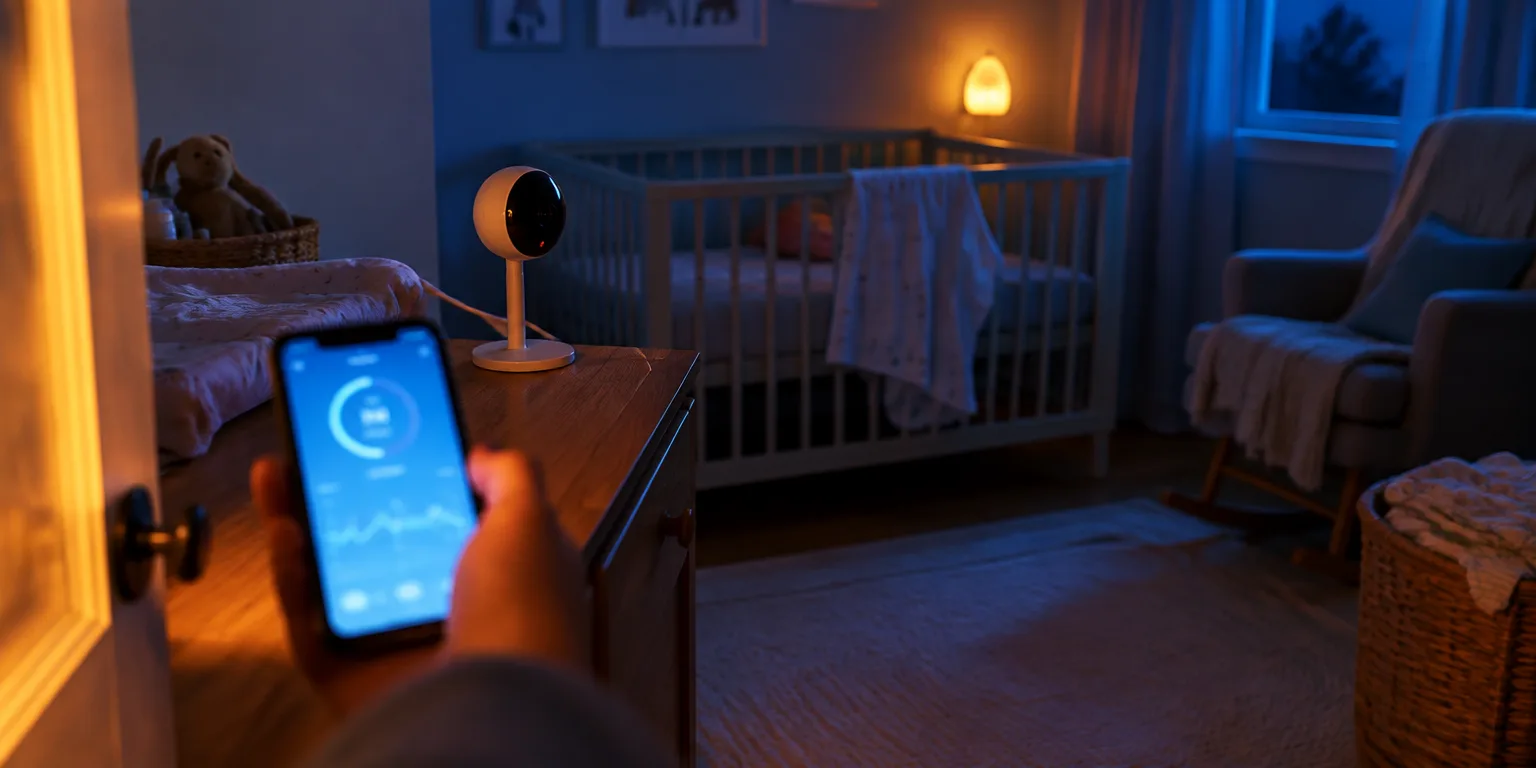
Reporter Sapna Maheshwari, a mother of two, went looking for a baby monitor after her first child was born and kept hearing about one product, the Nanit. The monitor hooks up to home Wi-Fi and runs as an app on a phone. She calls it the Eye of Sauron, because it studies the video feed and records what it sees.
Inside the app, software tracks the baby's movements and sleep patterns and turns them into a digestible format for parents. It logs when the baby fell asleep and woke up, how many hours she slept, how many times she woke, how long she stayed awake before putting herself back to sleep, and how many times parents visited overnight. It can tell when eyes open and close. It also gives the infant a sleep score, and parents can check from home or while away.
What hooked Maheshwari's family was the highlight reels. The camera made cute montages of morning greetings, showing joy on their daughter's face as they picked her up.
Nanit is one of many baby tech products. A rival called Owlet measures an infant's heartbeat with a sensor built into a foot sock. Other monitors send alerts when a baby's face may be covered in the crib. Other apps track feedings and diaper changes, and sell a chatbot that answers questions about habits. Maheshwari says the apps feed on persistent parental anxiety, and the question, Is this normal?
By her second child, the Nanit had added more AI. It was no longer just reporting what happened or monitoring the baby, but giving advice, including when the baby should sleep next and how to interpret different behavior in the crib. That advice often comes with a paid subscription, raising the question of when to trust instincts versus artificial intelligence.
Adult trackers use the same sleep score model. Whoop and the Oura Ring track sleep and give detailed feedback on exercise. Whoop also gives a recovery score each morning in red, yellow, or green, based on stress, sickness, diet, and workout intensity, meant to say how ready the body is for the day. Maheshwari notes, "these are consumer products, not medical devices."
Questions people ask
Can these monitors prevent sudden infant death?
No. The major pediatric and sleep groups do not recommend consumer monitors for preventing sudden infant death, and the companies generally describe their products as wellness or consumer products, not medical devices. They can offer reassurance, but they can also false alarm and interrupt sleep.
How does a sock track a baby's pulse?
It is a soft sock with a built-in sensor worn on an infant's foot. It estimates pulse rate and oxygen trends and sends readings to a phone app, where parents can review sleep patterns. It is not a hospital monitor, and readings can be affected by fit and movement.
What does a Whoop recovery score actually mean?
It is a morning rating based on recent sleep, resting heart rate, heart rate variability, and strain, among other inputs. A green score suggests higher readiness for hard exercise, while yellow or red suggests taking it easier. It reflects short term recovery, not overall fitness or health.