A Cryptic Letter Exposed the Plot to Blow Up Parliament
Sent to save a brother-in-law, its phrase “a terrible blow” pointed to an explosion and gave officials five days to act.
 After Dark: Myths, Misdeeds & the Paranormal · The Gunpowder Plot As It Happened
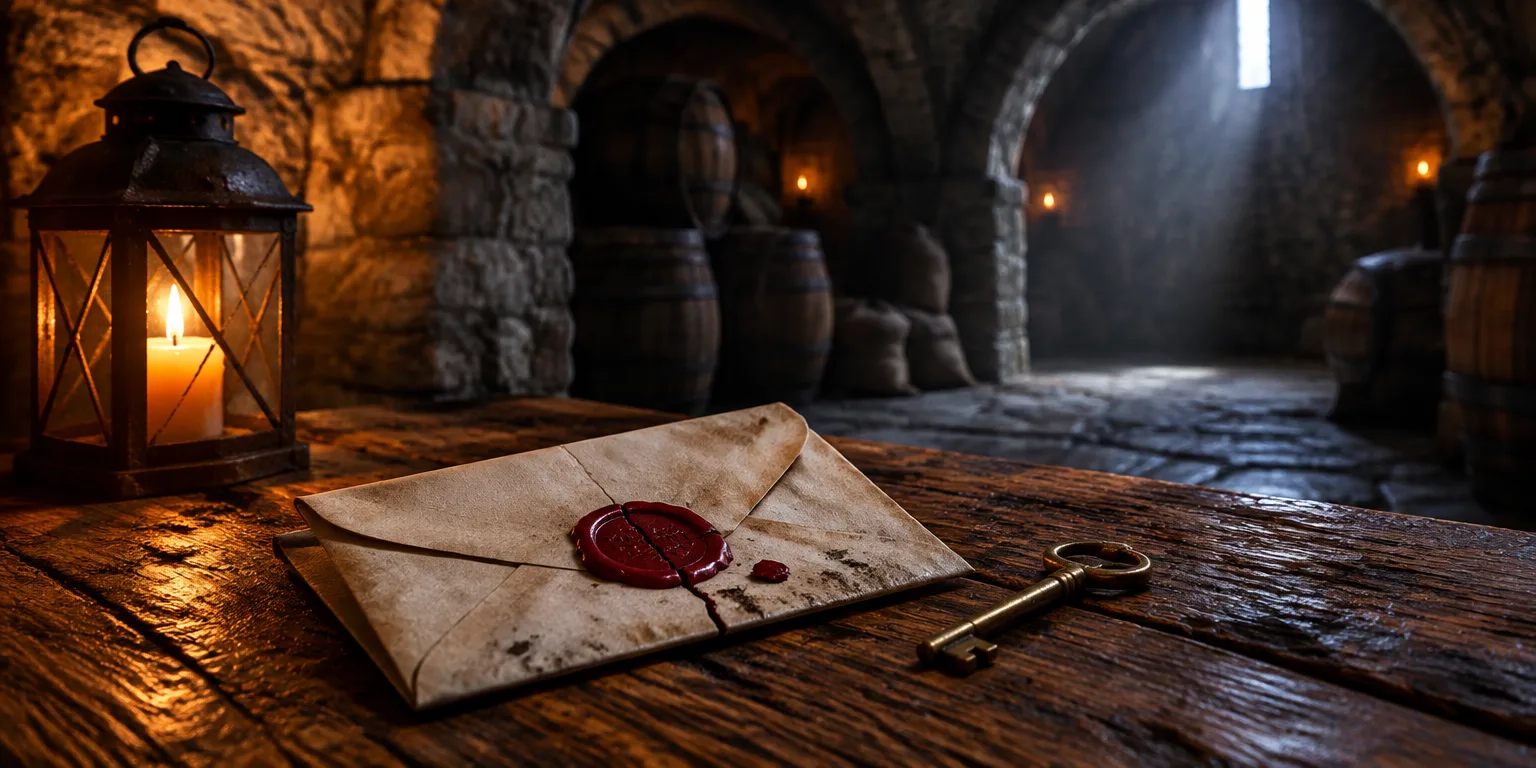
On Oct. 26, 1605, Lord Monteagle, a Catholic member of Parliament, received a letter telling him to stay away from the State Opening of Parliament.
It warned that Parliament would receive "a terrible blow" from attackers its members would not see.
That strange note was the break that exposed the Gunpowder Plot, a plan by 13 Catholic conspirators to destroy Parliament with the king inside on Nov. 5. Within days, the letter reached King James I, giving officials five days to hunt for the danger.
The warning came from inside the conspiracy. Francis Tresham, one of the 13 plotters, broke the oath the group had sworn and sent word to Monteagle.
Monteagle was Tresham's brother-in-law. That meant a marriage tied the two men through a woman, but the historical record says nothing about her part in the warning.
That silence fits a wider pattern. Wives, sisters, and mothers were waiting in the Midlands for news of the attack, and could carry messages. If the plotters seized the king's young daughter Elizabeth, as they planned, she would have required female caretakers alongside men.
Tresham's motive remains partly unknowable. He was involved in a plan to kill many people, yet acted to save one man, likely from personal concern and the pressure of religious conscience.
The risk was enormous, and the men knew the punishment would be severe if they were caught. In the days before the attack, that mix of conviction and fear must have felt physical, a tightness in the chest alongside absolute belief.
The letter was cryptic, but once read, it pointed toward an explosion. The phrase "a terrible blow," paired with a warning not to attend Parliament, invites the reading that Parliament would be blown up.
Monteagle did not keep the warning to himself. By Nov. 1, he had taken the letter to the authorities, and the king had seen it. The search of Parliament was already under way.
Questions people ask
Who was Francis Tresham?
Tresham was one of the 13 Gunpowder conspirators and came from a prominent Catholic family. He joined the plot late, in October 1605, and is remembered chiefly for writing the Monteagle letter. He was arrested in November and died in the Tower of London in December 1605.
What happened to Lord Monteagle after he turned over the letter?
Monteagle survived and remained in public life. Historians have long debated whether he was simply warned or played a larger role in revealing the plot. King James rewarded him with money and land after the conspiracy failed.
Why was Parliament meeting on November 5?
The opening had already been postponed twice because of plague, first from February to October and then to Nov. 5. The delay gave the conspirators more time to prepare, but it also meant the warning arrived only ten days before the planned attack.