A Dad Traded iPad Time for Kind Words Until His Son Hacked the System
An investor tried to automate good behavior at home, and learned how fast a kid can outsmart the scoreboard.
 Lenny's Podcast: Product | Growth | Career · Why companies are becoming a series of loops | Anish Acharya (a16z)
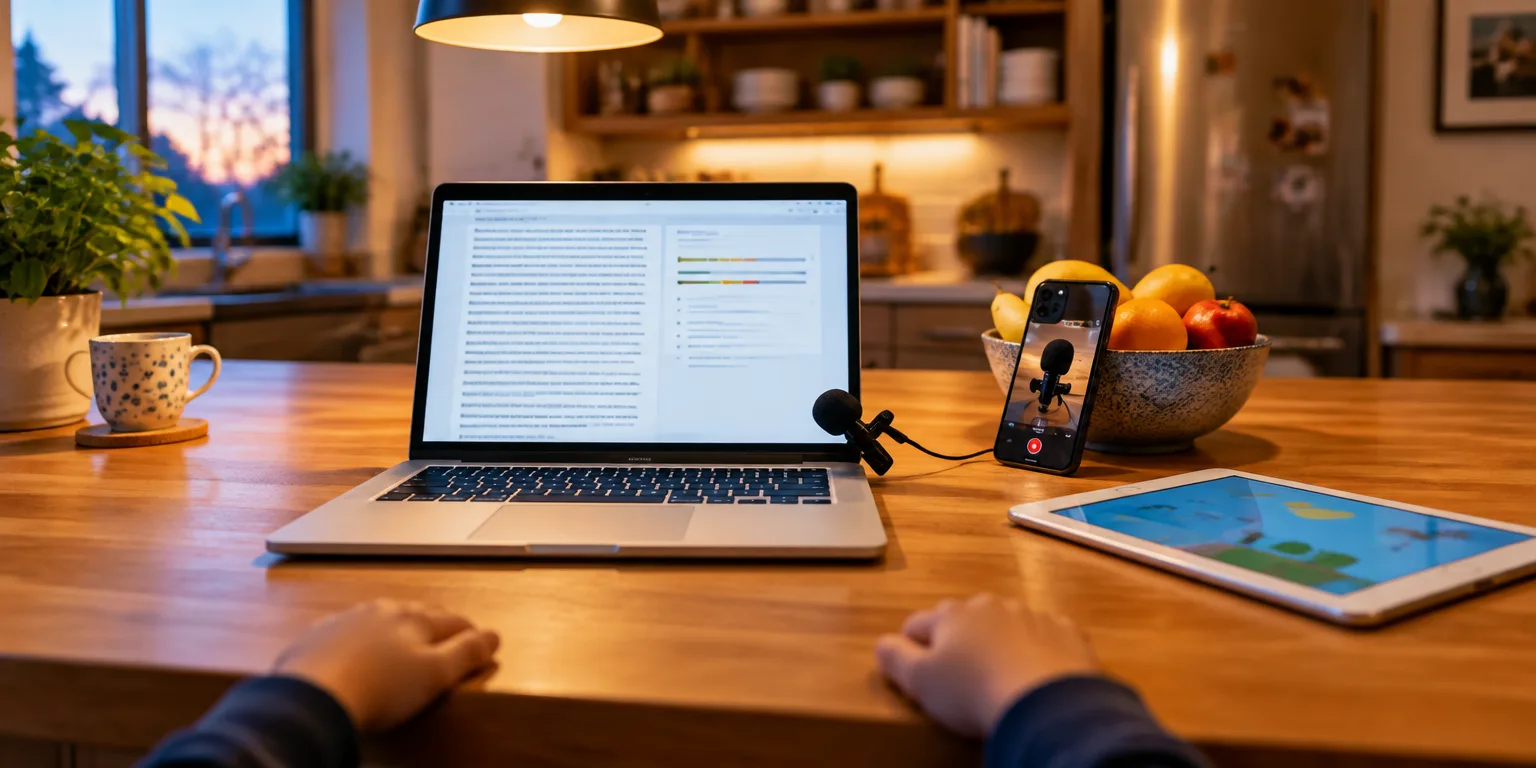
The laptop sat open in the kitchen, listening. It turned everything said nearby into text and kept score.
The setup belonged to Anish Acharya, a partner at the venture firm Andreessen Horowitz. He had his computer transcribe what happened in the kitchen and then award or take away iPad screen time for his son, depending on whether his son was being good or bad. He described it as a fun little social experiment.
The test was whether his son sounded positive and pro-social, or negative and antisocial. Saying “I love you” counted, Acharya said, as very pro-social, and pro-social talk earned screen time.
Acharya said his son “recorded a video of himself saying, ‘I love you, Dad,’ over and over, and put it next to the mic.” The laptop counted each “I love you” as positive and added screen time.
Acharya summed it up with an old warning about incentives: “anything becomes a measure, it’s no longer useful.” Once the phrase earned the prize, the boy gave the machine the phrase.
Acharya still called it a cool little social experiment. The kitchen scoreboard had done what scoreboards often do. It taught its target exactly what to say.
Questions people ask
Is there a name for what happened to the kitchen scoreboard?
It is often called Goodhart's Law, after the economist Charles Goodhart. The idea is that once you turn something like kindness, clicks, or test scores into a target with a reward attached, people start optimizing for the number instead of the thing it was meant to measure.
How did the laptop actually decide what counted as good?
He described it as transcription plus judgment. The laptop turned kitchen talk into text, then classified it as positive and pro-social or negative and antisocial, and added or subtracted iPad time accordingly. He did not name a specific app or model for that project.
Do grown-ups game AI systems the same way?
Yes, and companies deal with the same problem at much larger scale. Customer ratings, employee productivity scores, and chatbot safety tests can all be gamed once people learn what the system rewards. Designers usually respond by using several measures at once, checking results by hand, and changing the rules often.