A Degree Alone Cannot Cover a $500 Emergency
Geoffrey Canada says parents will sacrifice if their children can get ahead, but lose faith when children end up worse off.
 Invest Like the Best with Patrick O'Shaughnessy · Brad Gerstner & Geoffrey Canada - Raising the Floor for Every American Child - [Invest Like the Best, EP.501]
Geoffrey Canada, who has spent his life working with poor children, was asked why an effort to give children investment accounts had caught his attention. He said he had spent decades preparing young people for jobs through schooling, then watching money problems undo that work.
Investor Brad Gerstner, who has described a poor childhood in rural Indiana, put his version bluntly: “There is no capitalism without capital.”
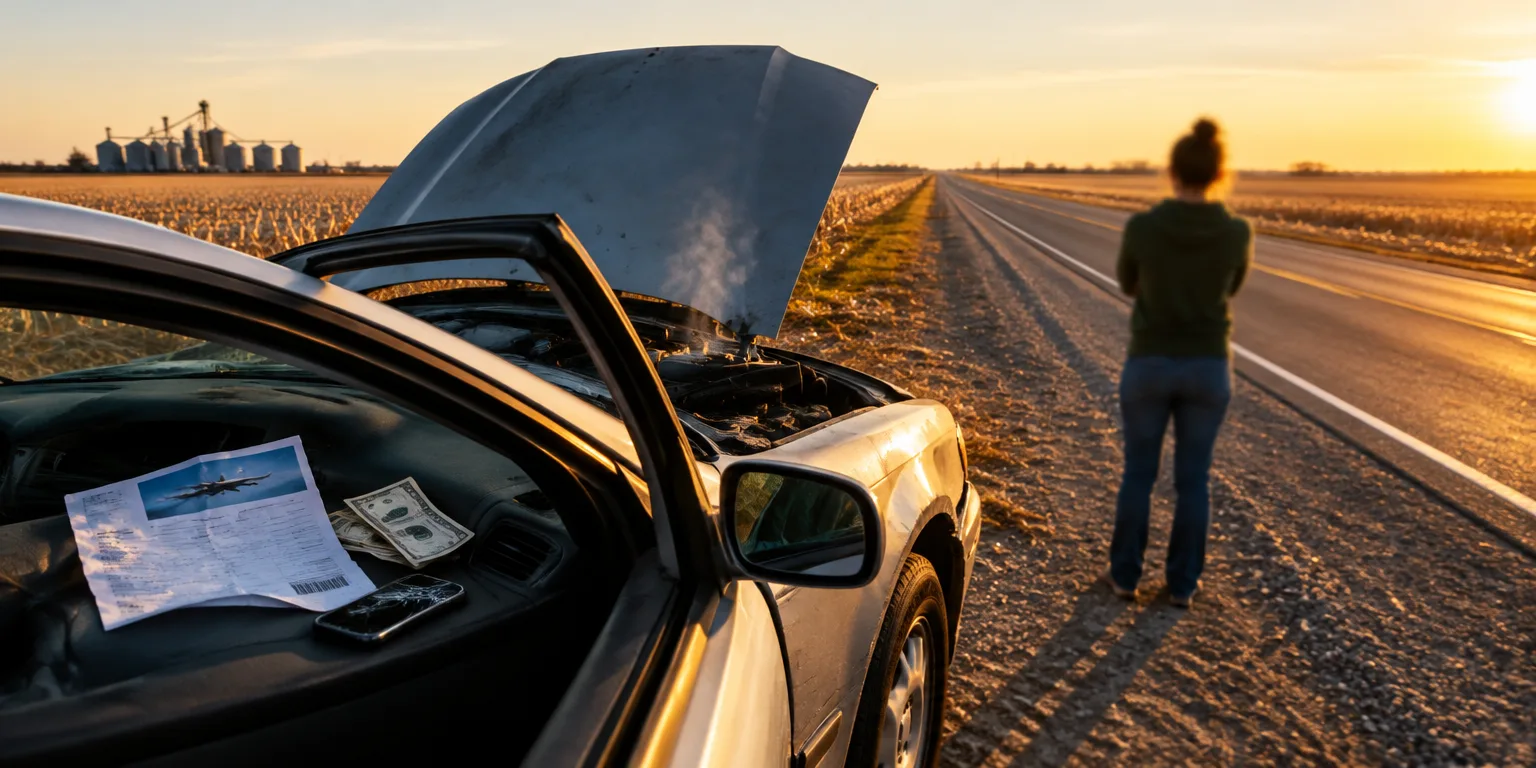
Canada said education can open doors, but without savings a person is one emergency away from bankruptcy. He still gets calls that prove it, with grandchildren asking for $1,500 because a broken car means they cannot get to work.
In his community, he said, many young people have no one to call for that kind of help. A $500 plane fare to reach a job interview, or money to start a business, can decide whether opportunity is real.
Canada learned the lesson himself. He grew up poor, earned degrees including at Harvard, and still knew nothing about markets or investing. With children and no savings, he said, he lived one paycheck away from homelessness, and concluded that schooling alone was not enough to do anything significant.
That squeeze, he argued, now reaches far beyond poor Black and brown neighborhoods. Families across the country struggle to afford milk, eggs, or prescriptions while visible wealth grows around them, and Gerstner said fewer than half of Americans under 40 believe in capitalism.
Canada said parents will sacrifice if their children can get ahead, but lose faith when children end up worse off and living in the basement. He said Americans are asking whether the system is fundamentally fair and working for them, and warned that the country risks revolt if the answer is no.
For Canada, the answer is giving children a stake early, so they have both schooling and capital when trouble arrives.
Questions people ask
How common is it for Americans to be undone by a $500 bill?
Roughly one third of Americans say they would not cover a $400 emergency with cash alone, according to the Federal Reserve's annual household survey. They would borrow, sell something, or be unable to pay. That is why a broken car or medical bill can cost a job, even for someone with steady work and schooling.
Do most young Americans really doubt capitalism?
In the discussion, Gerstner puts the figure at fewer than half of Americans under 40. Poll wording varies, but national polls have repeatedly found younger adults are more skeptical of capitalism than older adults. The discussion ties that skepticism to daily costs and the sense of being left out of prosperity.
Why would savings matter more than a degree in an emergency?
Economists call it asset poverty, having too little savings or property to weather a setback. Education can raise earnings over time, but assets provide the immediate cushion and the ability to take a useful risk, like traveling for a better job.