A Driverless Car Feels Miraculous for About Two Minutes
Uber CEO Dara Khosrowshahi says the magic fades fast; transportation is about getting people from A to B safely, efficiently, and affordably.
 Invest Like the Best with Patrick O'Shaughnessy · Uber CEO on AI, Autonomous Vehicles, and the Future of Transportation
Patrick O'Shaughnessy, the investor and podcast host, had asked Uber chief executive Dara Khosrowshahi what surprised him about the ride itself, the car and the experience compared with a traditional trip with a driver.
Khosrowshahi answered with what he called the speed at which, in his words, "magic turns to normal."
He said he learned it first as a customer. When he tried Uber for the first time in New York City, while he was working at Expedia, the travel company, he thought it was absolutely magical to push a button and have a car appear in five minutes. The next day, he said, he was staring at his phone thinking, where is my car, indignant that it had taken six and a half minutes.
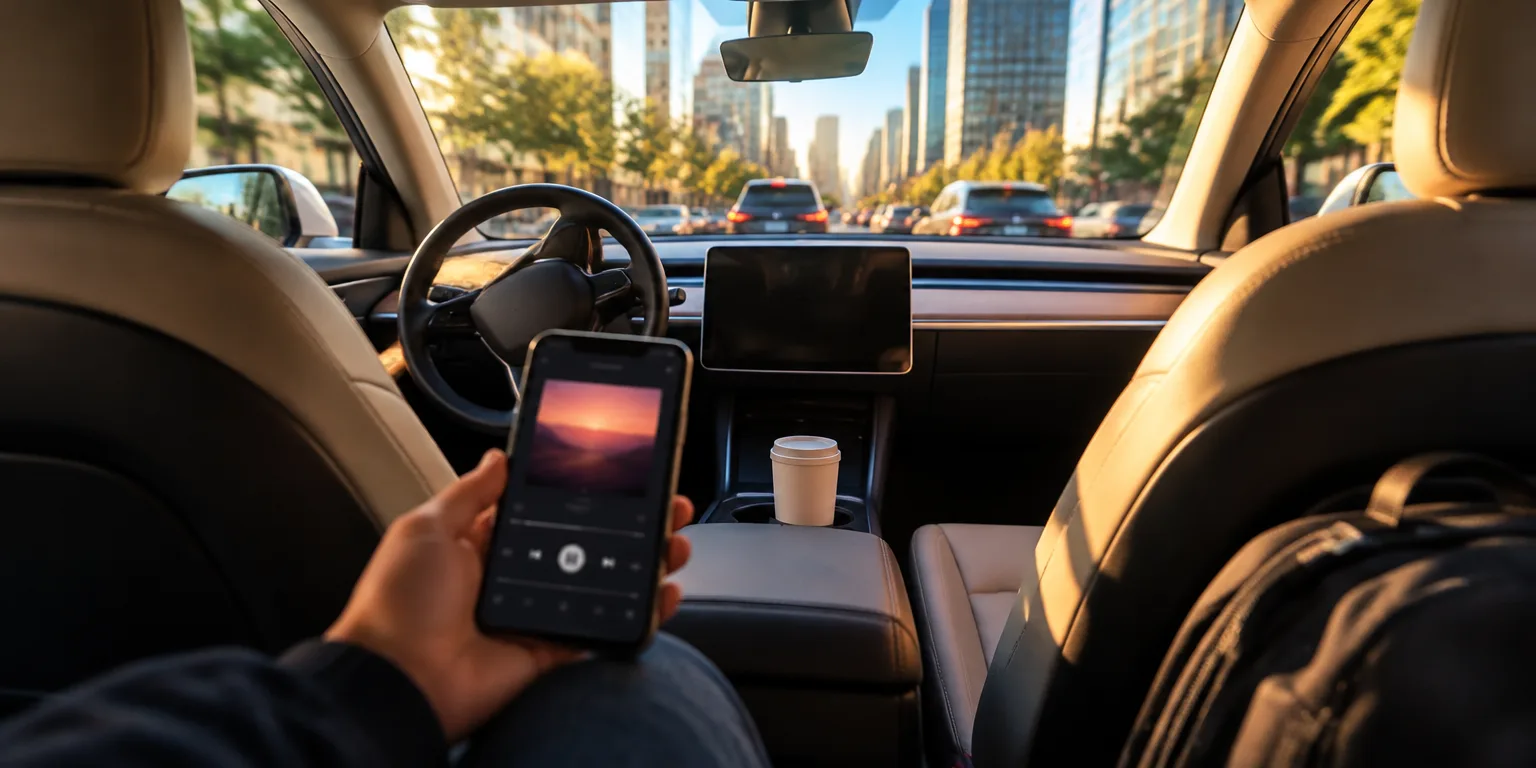
He argues the same cycle is now happening with driverless cars. The first ride feels magical, he said. The cars are nice, there is privacy and quiet, and a rider can play his or her own music. For the first two minutes, he said, riders think this is amazing and point at what is happening. By minute three, he said, they are just scrolling, commuting, and doing the same things they always do.
What feels magical now, he believes, will feel ordinary within a decade. In the end, he said, transportation is about getting a person from point A to point B safely, efficiently, and affordably.
Questions people ask
Why do we get bored with amazing technology so quickly?
This part is general background, not something Khosrowshahi said in the interview. Psychologists use the term hedonic adaptation for the pattern in which something new excites us and then becomes the baseline. It helps explain why a five-minute pickup can feel miraculous one day and slow the next.
If riders stop noticing the magic, what matters then?
Khosrowshahi points to three things: safety, efficiency, and affordability. His point is that once the novelty fades, a trip comes down to getting you from point A to point B on those terms.
What do people actually do in a driverless car after the novelty wears off?
In his account, they settle back into ordinary commuting. They enjoy the privacy and quiet and play their own music, and by the third minute they are doing the same things they always do on a ride.