A Dropout Borrowed $10,000 for a Truckload of Returns and Turned It Into $26,000 in Two Days
He tested every item himself, listed it on eBay and Craigslist, and found the work he would spend his life on.
 Yahoo Finance · A Dyslexic High School Dropout Tackled the Massive Problem of Online Returns. This Year, His Business Will Make Over $500 Million.
In 2001, Sender Shamiss followed a friend's tip to the outskirts of Toronto, where a small shop was selling electronics at steep discounts. He learned the shelves were stocked with goods that customers had sent back and that a retailer had moved along in bulk.
Shamiss, who would later found the returns company ReturnPro, had not followed a usual path into business. He was born in the Russian city of Kaliningrad to Jewish parents from Russia, and his family relocated to Israel when he was a young child after his father left the Soviet Union. After a brief stay in New York, where he picked up a Brooklyn accent, he settled in Toronto. "I'm a highly dyslexic individual. I dropped out of high school. I dropped out of college. And ultimately, I dropped out of university," he says.
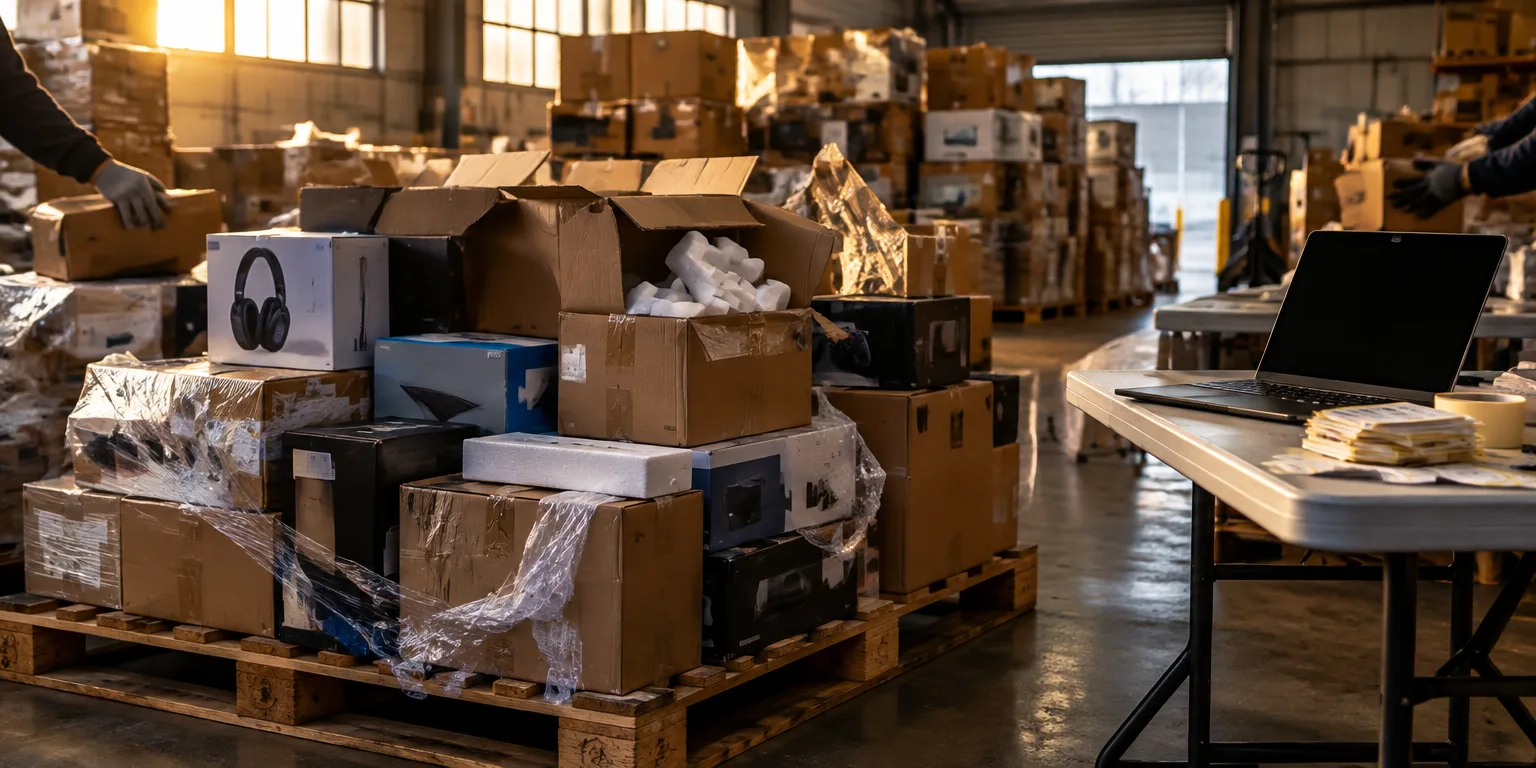
What happened next was a simple gamble. Shamiss borrowed money to buy an entire 53-foot truckload of returns, 26 pallets stacked with electronics, for $10,000.
He did the unglamorous work himself. He tested every item, sorted what worked from what did not, and listed it all on eBay and Craigslist, the online marketplaces where anyone can resell used goods.
"I sold it all for $26,000 in less than 48 hours," Shamiss says. That low price was possible in part because handling returns often had not been a central part of anyone's duties. Distribution center operators were measured on outbound shipping, and sending a product somewhere to be cleaned and reboxed and then somewhere else to be resold at a discount sometimes cost more than the math justified. In those cases, selling goods in bulk for a very small share of the original price could be the practical choice.
By the time he started what is now ReturnPro in 2008, that kind of bulk handling was common. One example was a big company called Genco, which largely cleared returns through liquidators or by sending them back to suppliers, who likely passed them along again. Those middlemen grouped the merchandise into large lots and sold it in bulk to small dealers such as Shamiss.
Shamiss says he was trying simply to earn money then, and the wider challenge of unwanted merchandise was far from his thoughts. "And then slowly over time, as I saw how complex it was, I just fell in love with it," he says.
Questions people ask
What does his company, ReturnPro, do now?
Rather than flipping pallets himself, Shamiss built warehouses and software that do the testing, cleaning, and pricing for retailers. ReturnPro decides for each item whether it should be refurbished, resold, liquidated, recycled, or donated, and then sells it across dozens of online channels. Retailers pay a fee but recover much more than they would from liquidation.
Could a beginner still flip a truckload of returns today?
It is much harder for a beginner. Competition from professional liquidators and tighter retailer programs have pushed prices up, and selling successfully now requires testing, fast shipping, and strong ratings on marketplaces. The basic idea still holds, which is to buy undervalued used goods, add work by checking and cleaning them, and resell them one by one.