A Dying One Pound Baby Opened Her Eyes and Stared, and Her Doctor Chose to Fight
Her vital signs were crashing and the surgeon called an operation futile, until one stare convinced her doctor to argue for a slim chance.
 Radiolab · 23 Weeks 6 Days
The phone rang at 2 a.m. on a rare night they had gone home to sleep. Kelly Benham, a journalist and new mother, and her husband, Tom French, also a journalist, heard the doctor ask how far they lived from the hospital.
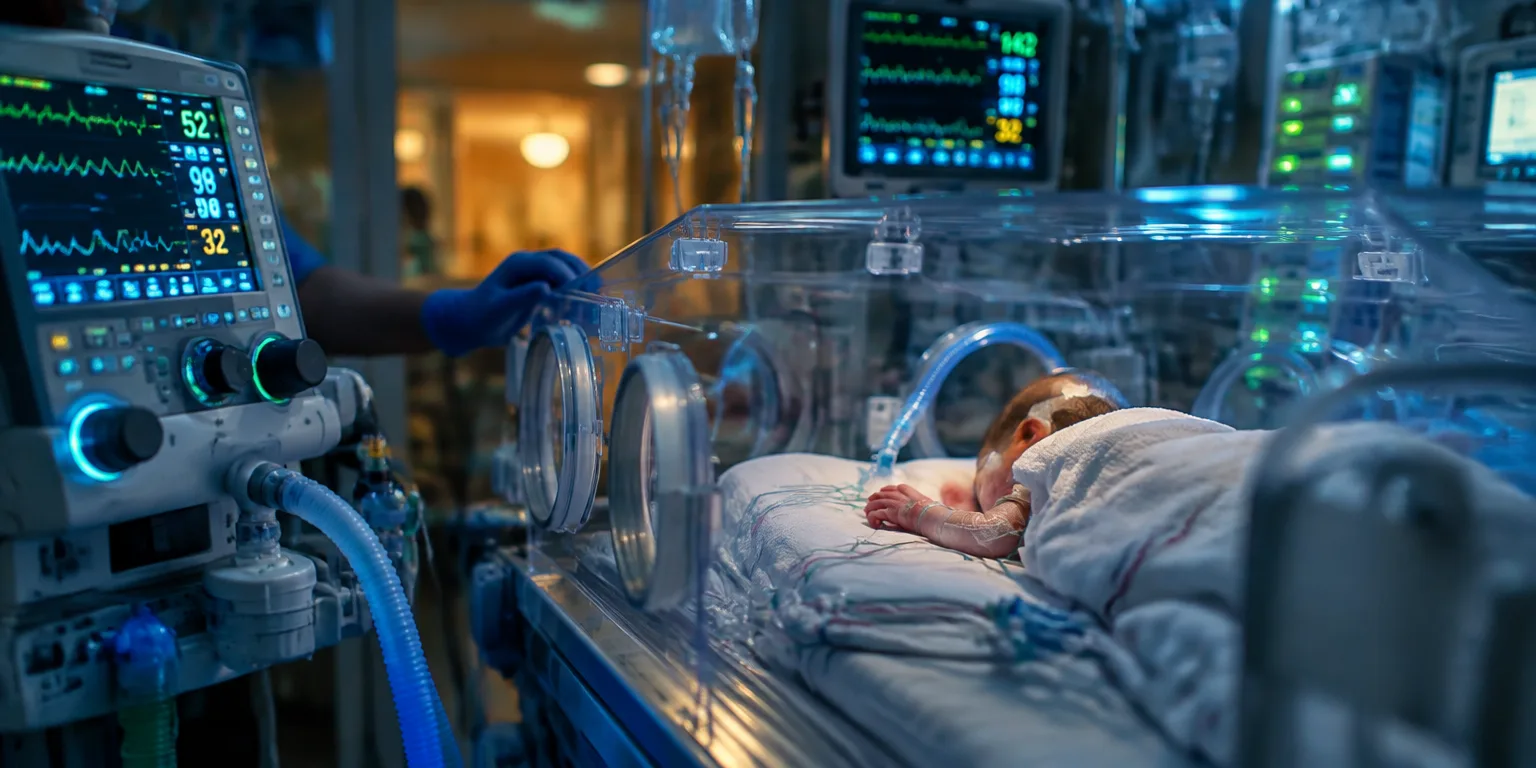
They rushed back to find their daughter Juniper spiraling. The one pound baby had torn another hole in her intestines. She was on 100 percent oxygen, the most doctors can give, with the ventilator turned as high as it could go, and she was still faltering.
Fouzia Shakeel, a neonatologist at All Children's Hospital who was caring for Juniper, had already tried everything she could think of, including blood pressure medicine, antibiotics, and a drain in the baby's belly. The medicines and the drain were not enough.
The only choice left was surgery to open her up, clear the intestines, and relieve the pressure. On a baby so extremely premature and fragile, an operation carried enormous risk, and Shakeel began to think this might be the end.
Then, as she stood at the bedside trying to decide, Juniper opened her eyes wide and stared straight at her. Babies that critical are usually totally unresponsive, fighting for every breath, and Juniper had almost no recordable blood pressure and almost no oxygen. Shakeel called it a powerful statement: "I'm still here." She decided then that Juniper deserved a chance, and that they would go to surgery.
The pediatric surgeon refused. She said the operation was futile, that Juniper's blood pressure was so unstable that, "she will not make it out of the OR," as Shakeel recalled her saying, and that her skin was so thin and papery it might not be sewn back up.
Shakeel pushed back with blunt arithmetic. If they did nothing, Juniper was dying right then in the unit and would definitely die. If they operated, she would probably die, but there was a slim chance. "Whenever there is life, there is hope," Shakeel said.
As Juniper was wheeled away, she locked eyes on her mother in a way she never had before. Kelly leaned over and kissed her forehead, Tom did the same, and the incubator rolled toward the operating room.
The parents were paged back much sooner than expected to a small, windowless conference room. The surgeon told them that when she touched Juniper's intestines with her probe, everything fell apart. She made it through the surgery, but only just, and Kelly said she "thought there was no way the baby was gonna live till morning." The next day, she was still there, still holding on.
Questions people ask
What is a neonatologist?
A neonatologist is a pediatrician with extra training in caring for newborns who are premature or very sick. They run the neonatal intensive care unit, or NICU, where fragile babies get round the clock breathing, feeding, and infection support.
Why did the surgeon call the operation futile?
Surgeons use futile to mean an operation is very unlikely to help and may add suffering. In Juniper's case, the concern was that she might die on the table, and that even a technically successful repair could fail because her tissues were so fragile.
Can such a premature baby actually open her eyes and see?
Very premature babies often keep their eyes fused shut for weeks, then open them for brief periods. They cannot see clearly, but they can sense light and respond to sound and touch, so an open eyed stare during a crisis is unusual and memorable.