A Farm Boy Sold His Family's Cow to Run Away, Then Repaid It With 1,000 Cattle
He failed at rice and auto repair before building Hyundai into one of the world's biggest car companies.
 Joys of Compounding · Cal Fussman - Compounding Human Connections - [Art of Investing, EP.8]
In 1998, an old man crossed the border from South Korea into North Korea with 1,000 cattle. The animals were a gift for the North, and they were meant to settle a debt.
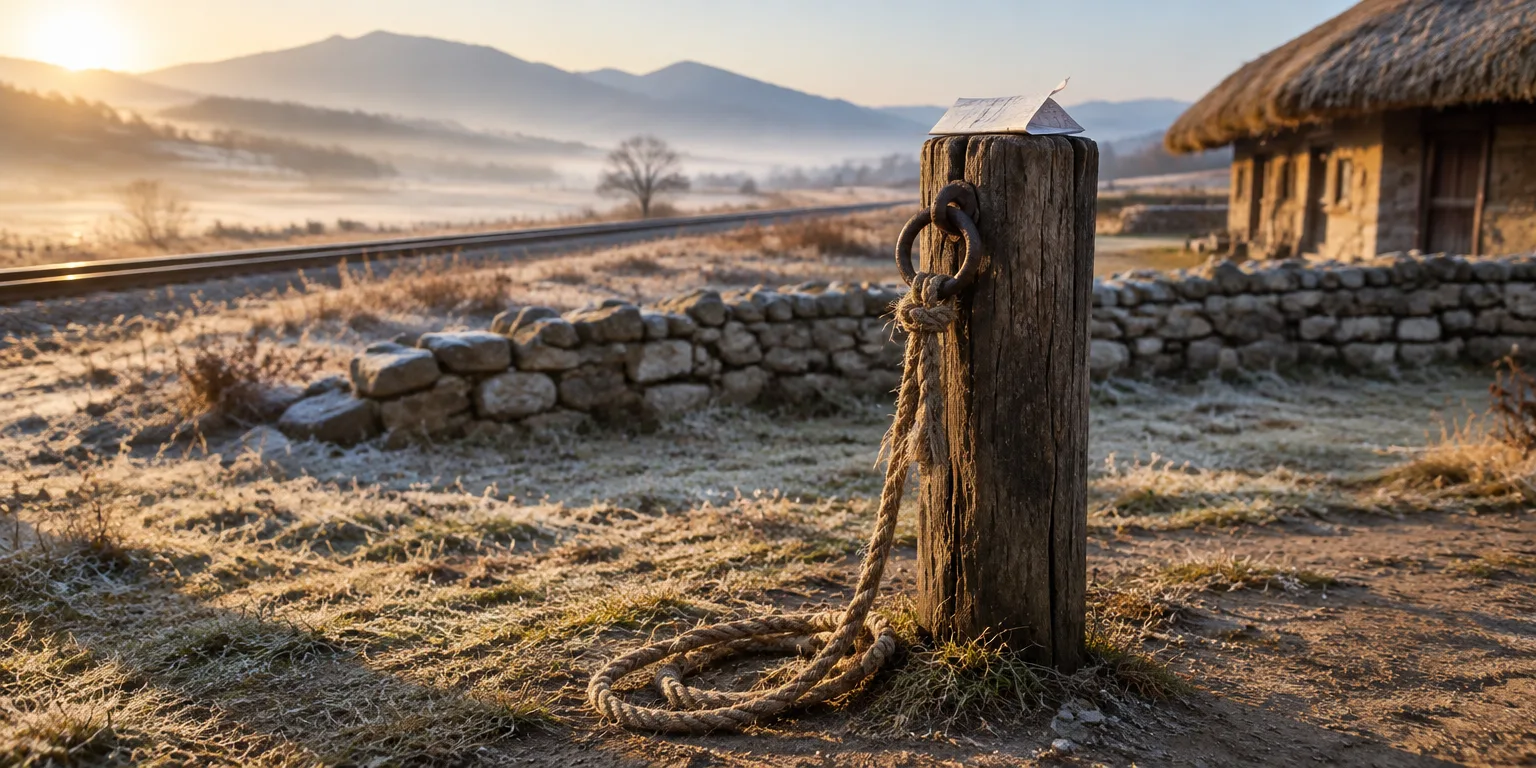
The man was Chung Ju Young, the founder of Hyundai, the South Korean company known today for selling cars around the world. He had been born in 1915 in what is now North Korea, thought to be the oldest of seven children in a farming family, and as a teenager he sold one of his family's cows to pay for his escape.
As a boy, Chung did hard farm labor and began to wonder if that was all his life would ever be. When he was in his mid-teens, he slipped away from his parents' house. His father found him and brought him back. He slipped away a second time, and again his father brought him back.
On the following try, he parted with a cow owned by his family, selling the animal to pay for a rail ticket meant to put great distance between him and pursuit. He got far, but he was found again and brought home. Only on his fourth try did he escape for good.
In the South, he worked odd jobs and was cheated at a construction site. He found work carrying rice orders to customers for a neighborhood shop, impressed customers, and was promoted into the shop. When the owner fell sick a year later, he handed the store to Chung. The business took off.
Then Japanese authorities cut him down, shutting the rice shop on the grounds that no money was to be made selling rice from a Korean-owned store. He went home north, returned south, and opened an auto repair shop even though he knew little about cars. He hired workers who could do the jobs faster and cheaper, and customers loved it. Then war came, and Japan took the shop for its war effort. He lost that, too.
After the war, he started building ports and ships, and then he started a car company. That company became Hyundai, which grew into one of the largest sellers of cars in the United States and the world.
Then, as an old man, Chung arranged permission to go back across the border, the heavily guarded line that divides North and South Korea, with 1,000 head of cattle to pay back the one cow he had sold to get out. As the story is told, his lesson was "it's all about conviction," to keep going toward the place you want to go no matter what knocks you low.
Questions people ask
What is Hyundai today?
Hyundai Motor Group, including its Kia brand, is one of the largest automakers in the world, routinely ranking among the top three sellers by volume alongside Toyota and Volkswagen. It sells cars, SUVs, and electric vehicles in the United States, Europe, Asia, and elsewhere, and also has major steel, construction, and shipping interests rooted in Chung's early companies.
Why was there a border between North and South Korea for him to cross?
Korea was divided after World War II, with the Soviet Union backing the North and the United States backing the South, and the split hardened after the Korean War from 1950 to 1953. The Demilitarized Zone, or DMZ, is a heavily guarded strip that now separates the two countries. Almost all crossings require special government permission, which is why Chung's 1998 cattle convoy was so unusual.
What was Japanese colonization of Korea?
Japan ruled Korea from 1910 to 1945 and controlled much of its economy and public life. Korean businesses often faced restrictions favoring Japanese firms, which is why a Korean-owned rice store or factory could be shut down. Japanese rule ended with Japan's defeat in World War II, followed by division and war on the Korean peninsula.