A few hardships are linked to better mental health than none at all
The benefit peaked at about four hardships, and showed up in a pain test too.
 Science Vs · Stress: The Science of Chilling Out
People who had lived through a few terrible life events reported better mental health than people who had lived through none at all.
In a study of about 2,000 adults, researchers gave participants a checklist of 37 major hardships, including serious illness, combat, divorce, and the death of a loved one, and then measured life satisfaction, depression, and anxiety. Those with very high levels of adversity fared worst, as expected. But those with zero adversity fared worse than those with some.
Mark Seery, a psychology professor at the University at Buffalo who led the work, likens resilience to physical fitness. If you never work out, he argues, you never build muscle, and weathering about four awful events appeared to be the sweet spot.
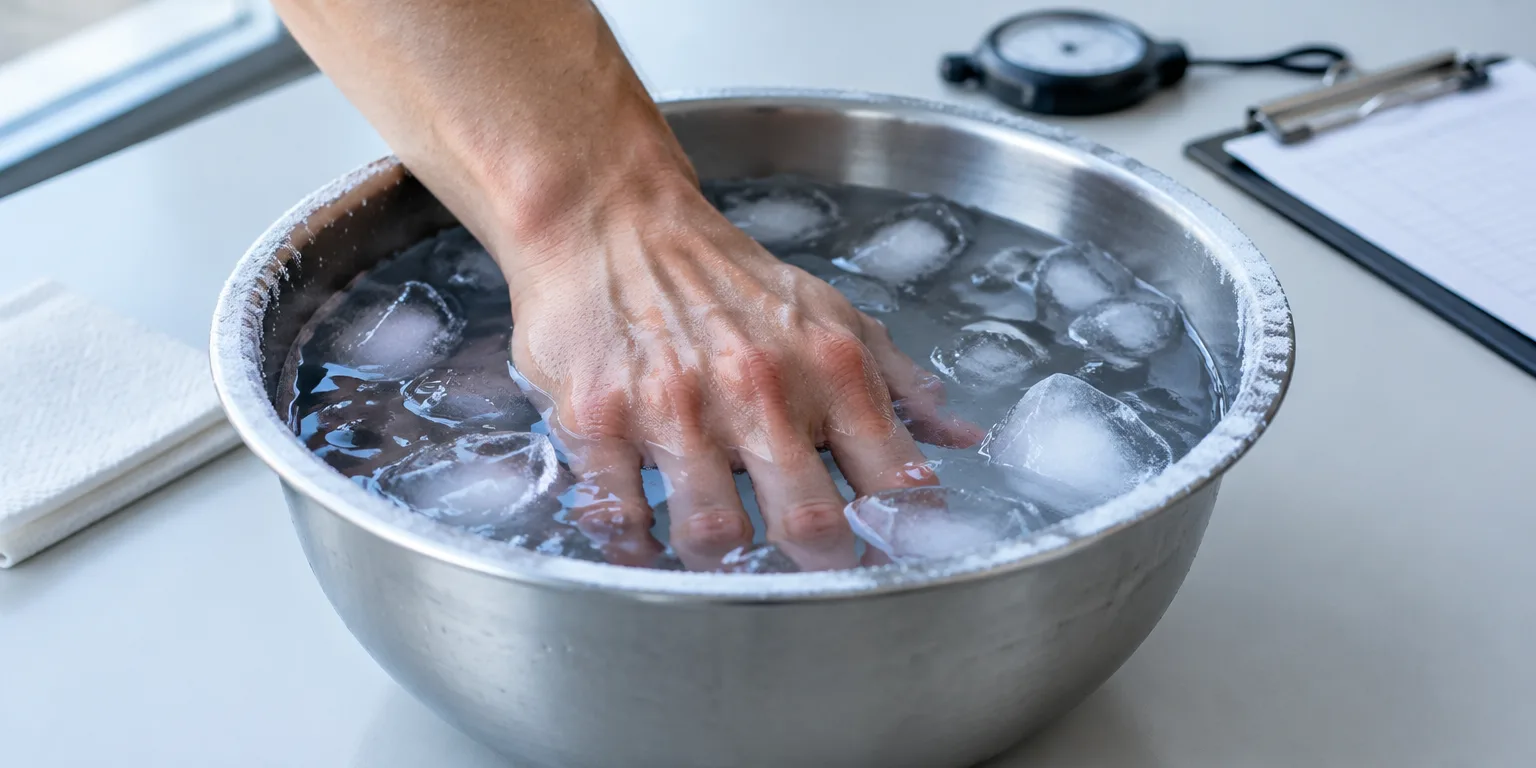
In a lab test, people with some past adversity held a hand in ice cold water, reported less pain, and catastrophized less, with animal experiments pointing the same way.
Questions people ask
Should I seek out hard experiences to build resilience?
No. The researchers do not recommend seeking out trauma, and the same data show that very high adversity is linked to the worst mental health. The takeaway is that past hardships you have already survived may have built coping skills you can draw on.
Does this apply to everyday stress and burnout?
The study focused on major, episodic events like illness, bereavement, divorce, and combat. That is different from relentless, ongoing strain like caregiving without relief, poverty, or discrimination, which research links to wear on the body and mind.
What did the ice water test actually show?
It was a laboratory measure of pain tolerance and catastrophic thinking, not proof of general toughness. People with some life adversity kept a hand in ice water, reported less pain, and were less likely to think, this will never end.