A Fight Over Chickens Put a 25% Tax on Foreign Trucks
The tariff was meant as retaliation, but Detroit kept it, and foreign truckmakers have been at a steep disadvantage ever since.
 PolyMatter · Why the Average New Car Costs $50,000
In the early 1960s, cheap American chickens were crowding European markets, and European farmers were losing business quickly.
Europe placed new duties on American chicken to keep those imports out.
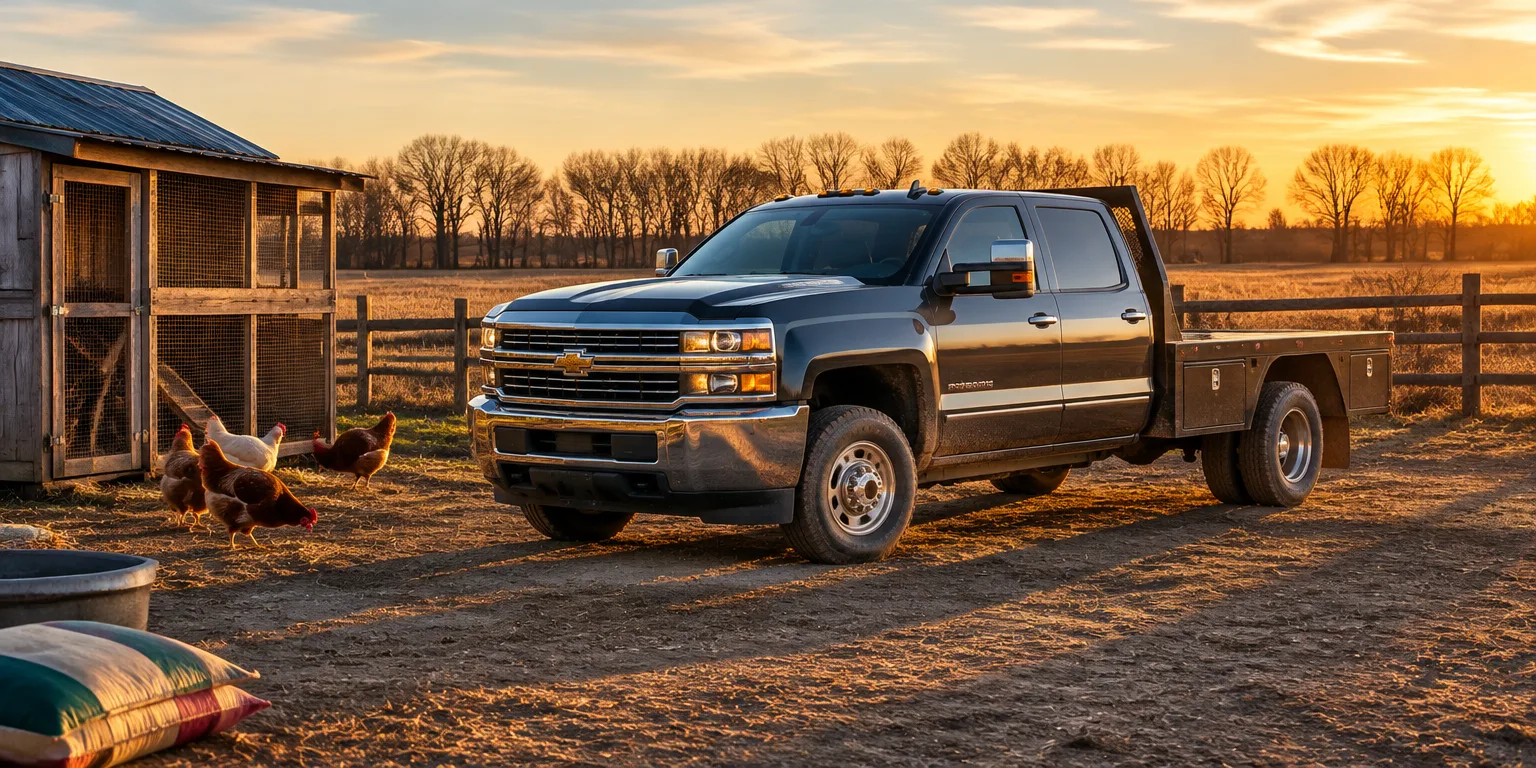
Washington answered with a tariff of its own, 25% on a short list of foreign goods that included foreign made trucks.
What started as a fight over poultry became lasting protection for Detroit pickups. That 25% charge still applies to imported light trucks today, 64 years later.
It was only one of several pushes toward bigger vehicles. Larger models also brought fatter profits, trucks faced easier fuel economy rules than cars, and the legal meaning of light truck was broad enough to cover many SUVs, vans, and minivans.
The profit logic was straightforward. The costliest parts of any vehicle, the engine, the transmission, the airbags, and the brakes, must be included no matter the size. A big premium model therefore costs only a little more to build, yet sells for far more. A buyer who would hesitate to add 5,000 dollars to a 20,000 dollar sedan thinks little of adding it to a 70,000 dollar pickup, and the larger model may earn up to four times as much profit.
Policy added to the tilt. When fuel prices spiked in the 1970s, federal lawmakers required automakers to meet fleetwide fuel economy averages, but trucks were held to a far easier standard. For 2024, cars aimed for 49 miles per gallon and trucks for just 35, and because cleaner technology costs money, building trucks cost relatively less.
Shielded on trucks but not on cars, Detroit's Big Three were left competing mostly with each other. Together they account for nine in ten trucks sold in the country.
Buyers followed. More than four in five new vehicles sold in America are now trucks. Last year, Ford F-series pickups outsold the Honda Civic by more than three to one. Back in 2011, roughly one in two new vehicles sold was a truck.
The chicken dispute is long past. The 25% tariff on imported light trucks remains.
Questions people ask
What exactly started the chicken fight?
It was 1963. France and West Germany placed tariffs on inexpensive American chicken, and President Lyndon Johnson retaliated with a 25% tariff on several products, including potato starch, brandy, and light trucks. The other tariffs faded, but the one on trucks remained.
Does the 25% tariff still apply today?
Yes, it still applies to imported light trucks, which includes pickups and many cargo vans. That is why Toyota, Nissan, and other foreign brands largely build their trucks sold in America in U.S. factories, often in states like Texas and Mississippi.
Have companies tried to get around it?
Automakers have tried. Ford once imported Transit Connect vans from Turkey with rear seats installed, then removed them to qualify as passenger vehicles. Subaru added jump seats to the BRAT pickup in the 1970s for the same reason. Regulators eventually closed many of those workarounds.