A Firework Struck A Police Car And Changed A Drunk 21-Year-Old's Life
After a night in jail and dismissed charges, Erica cleared her record, became a lawyer, and linked recovery to honest talk about drinking.
 Armchair Expert with Dax Shepard · Armchair Anonymous: Jail
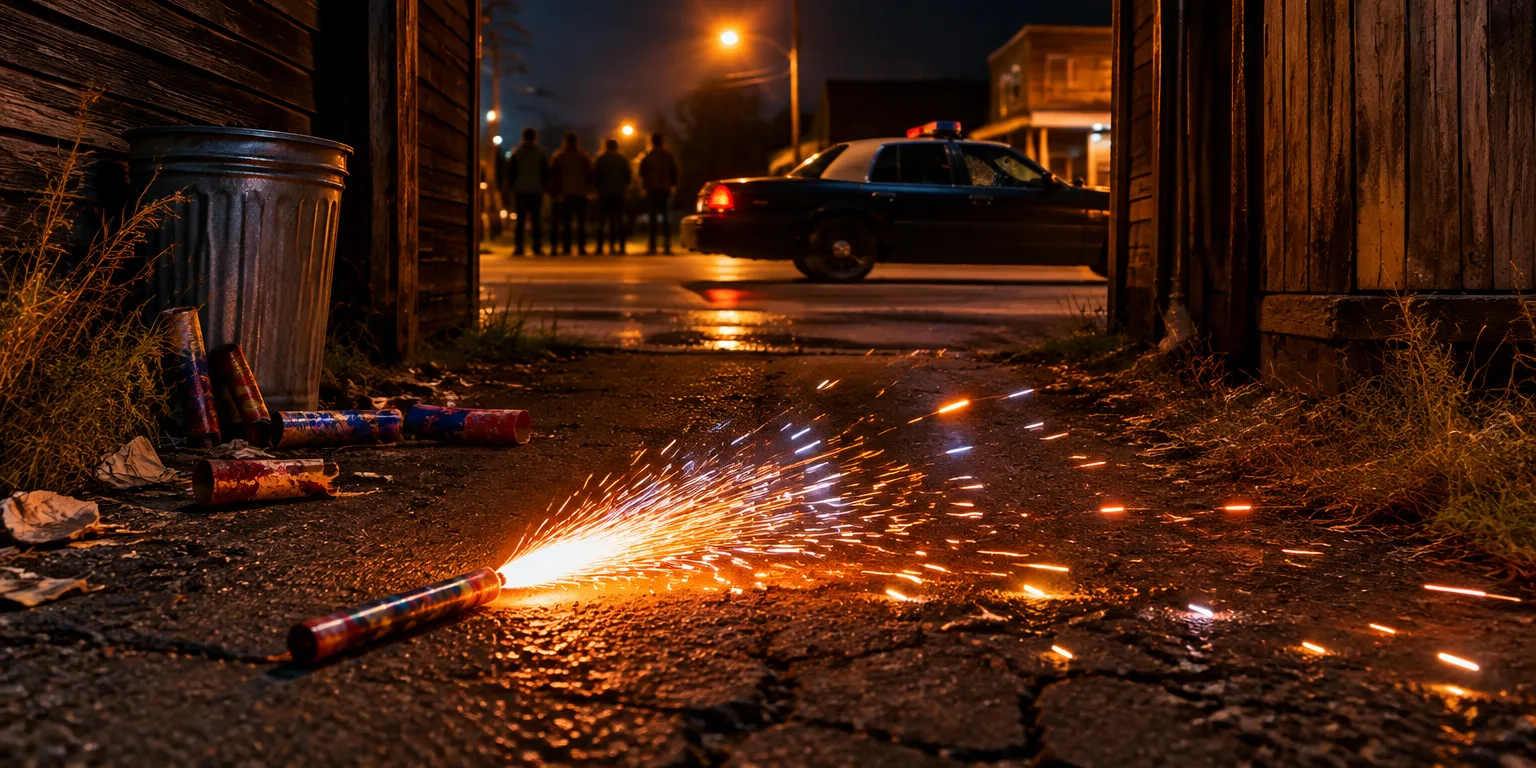
At about 2 or 3 in the morning, Erica stood in an alley in Fort Collins, Colorado, holding a lit Roman candle. She and five friends had tried to set off six of the hand-held fireworks at once, but only hers had ignited.
She was 21 and had spent the Fourth of July drinking. By her estimate, she had finished a pint of Bacardi, six beers, and two Red Bull vodkas, after a day at the pool with sorority sisters who shared an off-campus house for the summer.
What happened next led to her arrest that night. Years later, she has nearly 16 years of sobriety. Her account shows how fast a drunken celebration can turn dangerous, and how speaking plainly about alcoholism can make recovery less shameful for others.
Earlier that night, the group had been firing mortars, powerful fireworks they had driven to Wyoming to buy because they were illegal at home. Their alley backed onto a main street near their school, and the blasts around old wooden buildings had likely already drawn police attention.
Erica said fireworks were illegal and conditions were extremely dry. She believes only sparklers were permitted that year because the fire risk was so high.
She began firing her Roman candle down the alley toward the street. A police car rolled slowly by. One pellet struck the driver's side window. Suddenly, she said, five officers surrounded her, shouting for her to drop the firework.
With another officer coming toward her, she feared she would hit him if she simply let go. Instead she threw the still-firing candle toward him. It spiraled and sprayed burning pellets wildly as about 25 partygoers dropped to the ground. No one was hurt.
She tried to argue that it was the Fourth of July. An officer answered that it was 3 a.m., and already July 5. She spent the night in jail, and her mother, stunned because her daughter had never been in trouble, bailed her out the next day.
Erica, now a lawyer, was charged with reckless endangerment and endangering a police officer. The charge involving the officer was dropped, she completed required classes, and the remaining charge was later cleared from her record.
She said she was grateful the charge was cleared from her record, noting that she and her husband have an adopted son. She will mark 16 years sober on Nov. 29, and says talking openly about addiction helps reduce shame for others trying to recover.
Questions people ask
What is the difference between a Roman candle and a mortar?
A Roman candle is a tube that shoots a series of burning pellets or stars, one after another. A mortar launches a single larger shell that explodes in the air. Both can start fires and cause burns or eye injuries, especially in dry areas or near buildings and people.
Why would only sparklers be allowed in a dry year?
Many Western states restrict fireworks during dry summers because stray sparks can ignite grass, trees, and wooden structures. Local governments often limit legal fireworks to sparklers in high fire danger years, and ban aerial or explosive types altogether.
What does a reckless endangerment charge mean?
Reckless endangerment generally means acting with disregard for a substantial risk that someone could be seriously hurt, even if no one is injured. Penalties vary by state but can include jail time, fines, probation, and required classes.
How can an arrest record affect becoming a lawyer or adopting a child?
State bar examiners review criminal history for character and fitness, and adoption agencies also conduct background checks. A dismissed or sealed charge is far less damaging than a felony conviction, which is why clearing her record mattered for both goals.