A Flood of Truck Videos Is Often a Sign a Country Song Is Being Pushed
Teams pump new songs onto truck-video accounts that fans follow for music discovery, but a weak copy still will not catch on.
 Modern Wisdom · How To Make Your Creativity Beat The Algorithm (Live Performance) - Dylan Gossett - #1155
Dylan Gossett, the singer-songwriter who broke out with "Coal," says he can usually tell when a trending song has something pushing it. His clue is volume.
When he hears a new song taking off, he checks the page for its audio. If a brand-new track suddenly has about 1,000 truck edits tied to it, he assumes a team is running it.
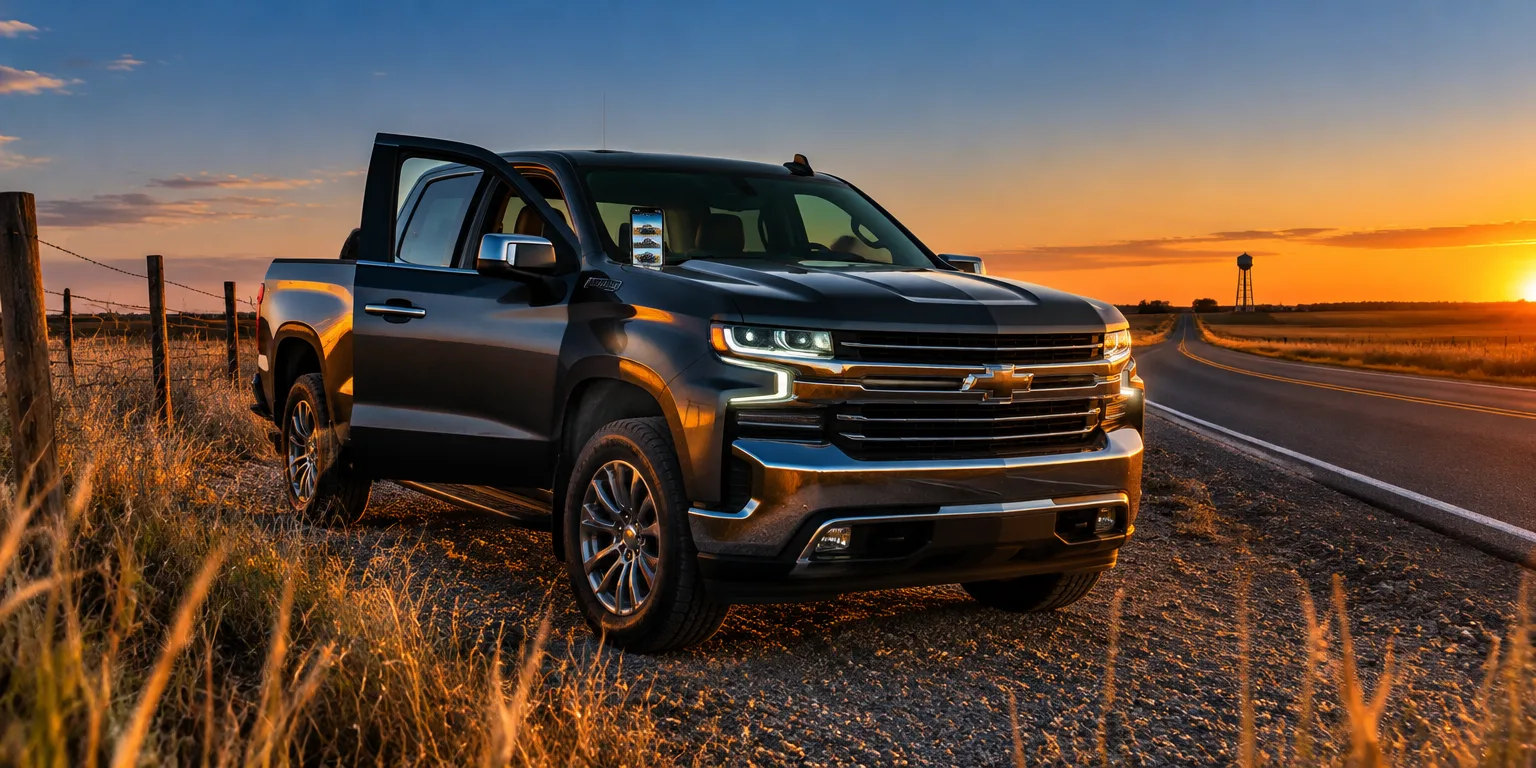
A truck edit is a short video from an account that posts almost nothing but pickups. The truck is shown in cool, moody lighting, with the lyrics across the top and a song laid underneath.
Chris Williamson, the podcast host, dubbed the network Truckstagram, and Gossett says the name fits. Gossett says, "a lot of people follow those accounts for music," which is what makes them useful.
Instead of waiting for listeners to find a song, a team pumps it across those pages to put it in front of more ears.
The push only goes so far, Gossett says. He says "it might put more ears on it," but if the track is not that great or sounds like everything else, it still will not catch on.
Williamson asked how much harder it is "to break through if every moderately good song" now arrives with what he called an army of clippers, short clips of a song posted by fan or paid accounts, plus truck and boat edits behind it. Gossett agreed, and judges his own career not by viral clips but by ticket sales, saying that outside of "Coal" he has had almost no viral moments and only cares whether his shows keep growing.
Questions people ask
Why trucks in particular?
Mostly because the pickup is visual shorthand for modern country life, especially working class life, small towns, and open roads. A slow pan of a truck at dusk tells viewers what kind of song this will be before a word is sung. That makes it a fitting background for sad, acoustic songs about being stuck or working hard.
Is it legal for a label to pay all those accounts?
Paying an Instagram or TikTok account to use a song is not illegal the way undisclosed radio payola was, secret payments to get songs played on radio, but federal rules require disclosure when a post is a paid ad. In practice, much music promotion happens through informal deals, creator programs, and ads run through a creator's account that look like ordinary posts, which are hard for a casual viewer to trace. That opacity is why a coordinated push can look like organic fan love.
If promotion cannot save a bad song, why do teams keep doing it?
Because discovery is hard to come by, and even a small lift can matter. Getting onto hundreds of music discovery feeds increases the chance the right listeners hear the chorus, save the sound, and add it to playlists. Teams accept that many pushed songs will fail, since one song that connects can pay for the rest.