A food startup grew so fast it keeps running out of food
David Protein says it will do $300 million in its second year, compressing a decade of growth into two.
 David Senra · Building One of the Fastest Growing CPG Company in History | Peter Rahal of David Protein, Medici Brands & RXBAR
Peter Rahal, the founder behind David Protein, says his two-year-old company will do $300 million in sales this year, with recent monthly sales pointing to more than $400 million a year if that pace holds.
The company already sells frozen food, protein bars, a ready-to-drink shake, and candy in three formats, and launches another brand in November. Rahal calls David the fastest growing food company in history, doing in two years what would normally take a decade.
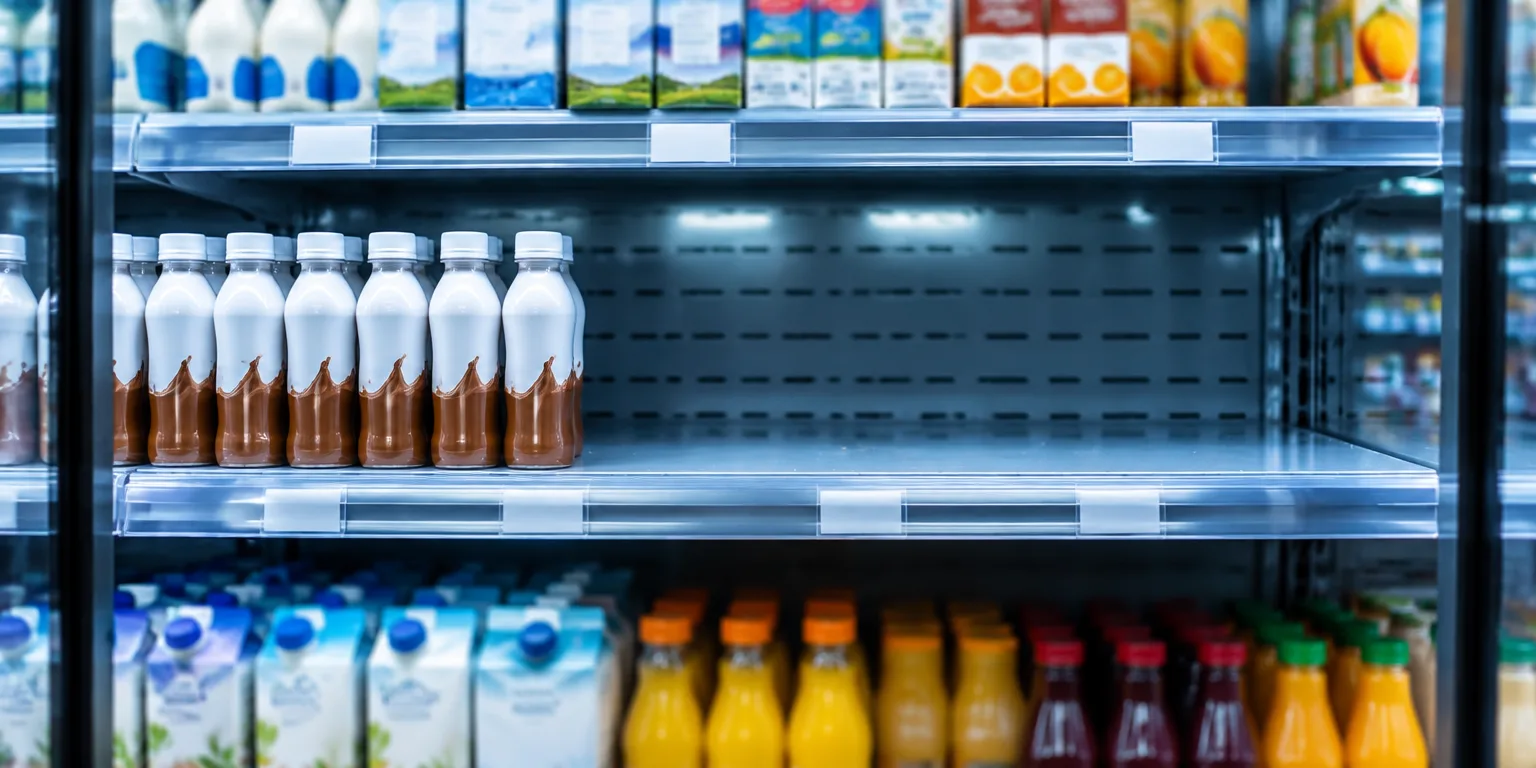
Growing this fast has a physical cost: food is an inventory business, he says, where raw materials must be bought and turned into finished product before anything sells. He says growth of 300 to 400 percent a year, or roughly that every six months, is brutal on the supply chain, with tight markets like dairy adding pressure. As a result, he says, the company runs out of supply "constantly."
Questions people ask
Who is Peter Rahal?
Rahal is a food entrepreneur who founded RXBAR, the protein-bar company Kellogg bought in 2017 for $600 million. After a brief stint as an investor, he returned to operating and started David Protein. He says he has worked in food since he was 12.
Why would a protein-bar company sell frozen food and candy?
Rahal describes the bar as a wedge to reach scale, with a larger plan to make familiar foods with more protein and fewer calories. That is why David has moved into drinks, frozen food, and candy. The idea is to build a platform across grocery categories, not a single product.
Does running out of stock hurt a young food brand?
It can cost sales and shelf space, since shoppers buy something else and retailers want reliable supply. But shortages can also signal strong demand and create buzz. For fast-growing brands, the bigger risk is raising enough cash to fund the next round of inventory.