A Freeze Wiped Out Its Apple Crop, So a Pennsylvania Orchard Trucked Some In
Solberry Orchards is setting out bins of New York apples among its bare trees to save its fall season, with possibly no profit this year.
 Marketplace · GDP growth comes at expense of consumer savings
On a bright October afternoon, Brian Smith, who started Solberry Orchards in Pennsylvania in the 1980s, walked along the edge of his orchard past the reds and golds of fall. To his right stood rows of Staben Winesap apple trees he planted in 1985, now 41 years old. Their branches, which should have been heavy with fruit, were almost bare.
In 41 years of farming those 90 acres, he had never seen so few apples. Back in April, several unusually hot days of 80 to 90 degrees coaxed buds and blossoms out early, followed by a freeze that killed them.
Smith put it plainly as he walked: "We've lost virtually all the apple crop and the peach crop." Across 10 acres of peaches, he said, workers saw just two peaches.
The loss hit at the core of the business. "Most of our income comes from our apple crop," Smith said. "Pick your own apples is a big, big part of our season." The farm also sells fruit at its own shop and to other retailers, and uses it to make applesauce, apple cider, and cider donuts.
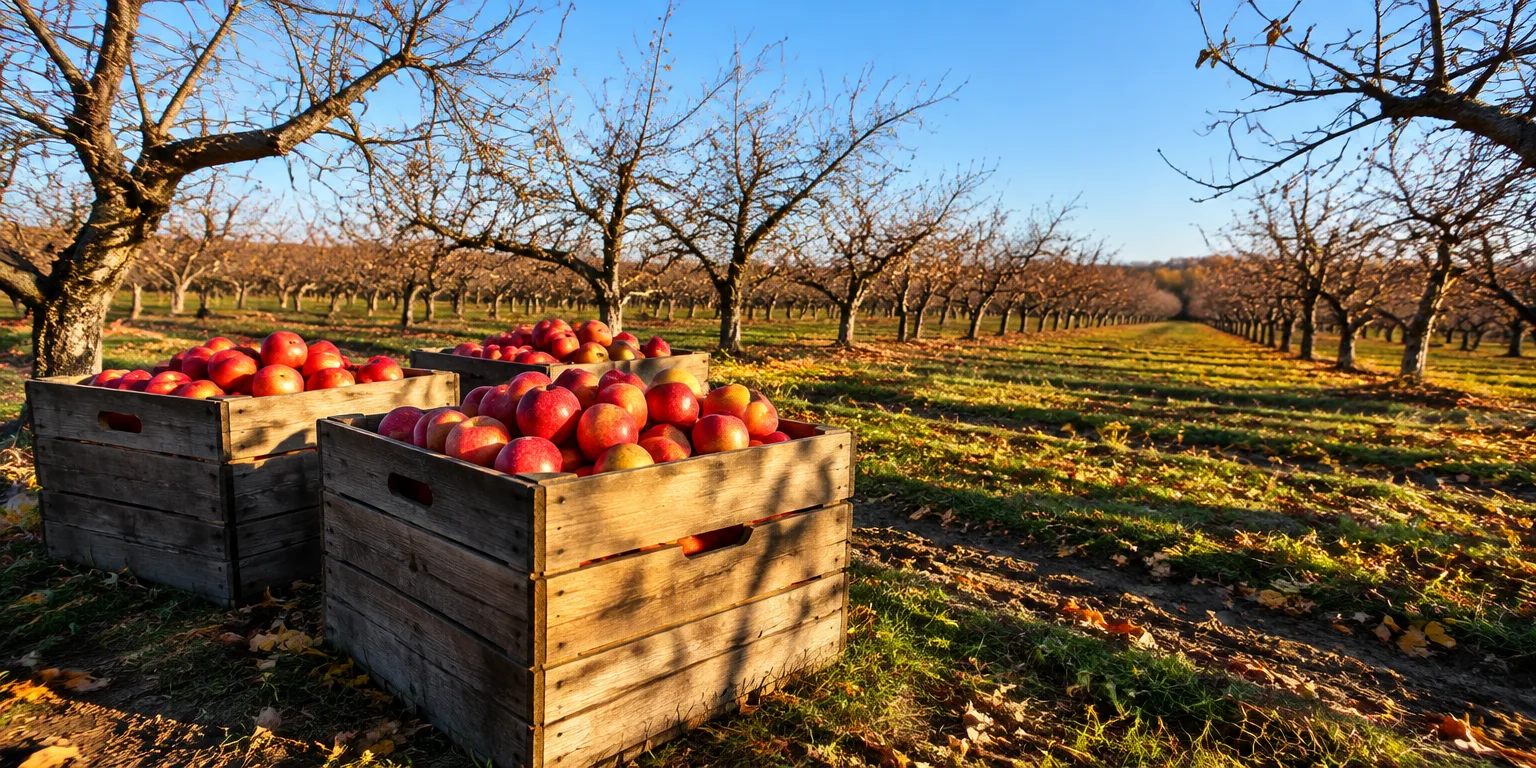
So Smith and Nathaniel Woosley, a manager at the farm, decided to add other attractions to draw visitors. They planted a pumpkin patch, teamed up with the nearby library for children's story hours, and trucked in fruit from farms in northern New York. Workers put crates of pre-picked apples among the bare trees.
Some visitors arrived unaware. Katie Whelan, who makes an autumn orchard visit each year with her daughter, who is almost 5, learned only half an hour before that there were no apples on the trees. She stayed anyway. "I mean, it's a beautiful day," she said, as they searched the bins together.
Smith said his main goal this year is to keep customers happy, even though buying fruit from other growers leaves little room to make money unless he raises prices, which he does not want to do. "By the time this year is done, I don't know if there will be any profit at all," he said.
He said the last few years were profitable enough that the farm should survive a single poor season. "I think, you know, to be a grower, you're optimistic and you're always looking forward to the next year," he added. "The seasons keep rolling around and, you know, we'll still be here and, you know, the apple trees will still be here." With a little luck, he said, they will have apples to harvest next fall.
Questions people ask
Why does heat followed by a freeze kill the apple crop?
Apple buds stay dormant through winter and open in spring. An unusually warm stretch in April can trick them into blooming early, and then a hard freeze kills the delicate blossoms. Without blossoms, there is no fruit to develop later, even though the tree itself survives.
Do orchards have crop insurance for a loss like this?
Many commercial apple growers buy federal crop insurance, which can cover part of the value of a lost crop from weather. Policies vary, and small farms that rely on direct sales and agritourism may still lose income that insurance does not replace. That uninsured income includes pick-your-own fees, cider, donuts, and store sales.
Why buy apples from upstate New York?
New York is one of the country's largest apple-growing states, with a cooler climate and many large orchards. When Pennsylvania and nearby states lose fruit to a spring freeze, New York orchards may still have a normal crop. Buying from there lets a small farm keep its shelves and visitors supplied.