A General Asked His Rangers Where They Were on 9/11. One Was in Sixth Grade.
Stanley McChrystal says leading a force across more than 20 countries meant building trust without touch, and listening to troops who knew different tools and words.
 TED · Stanley McChrystal: Listen, learn ... then lead
The wind was cold in Afghanistan, and the young Ranger in the back of the group had the red, windblown face to prove it. His hair was tousled from combat. Stanley McChrystal, the Army general who had come down to visit the Ranger platoon after an operation, was wrapping up the way he often did. He asked the group where they had been on Sept. 11, 2001.
One of the platoon's sergeants had lost much of one arm after throwing back an enemy grenade that had landed among his team. McChrystal had talked through the operation with the men. Then came the familiar question.
"Sir, I was in the sixth grade," the young Ranger said.
That answer captures the new reality McChrystal says he faced as a commander after the attacks of Sept. 11. He was leading a force spread across more than 20 countries, made up of men, women, young, and old, and not only soldiers. Many were from other organizations, assigned to his command on little more than a handshake.
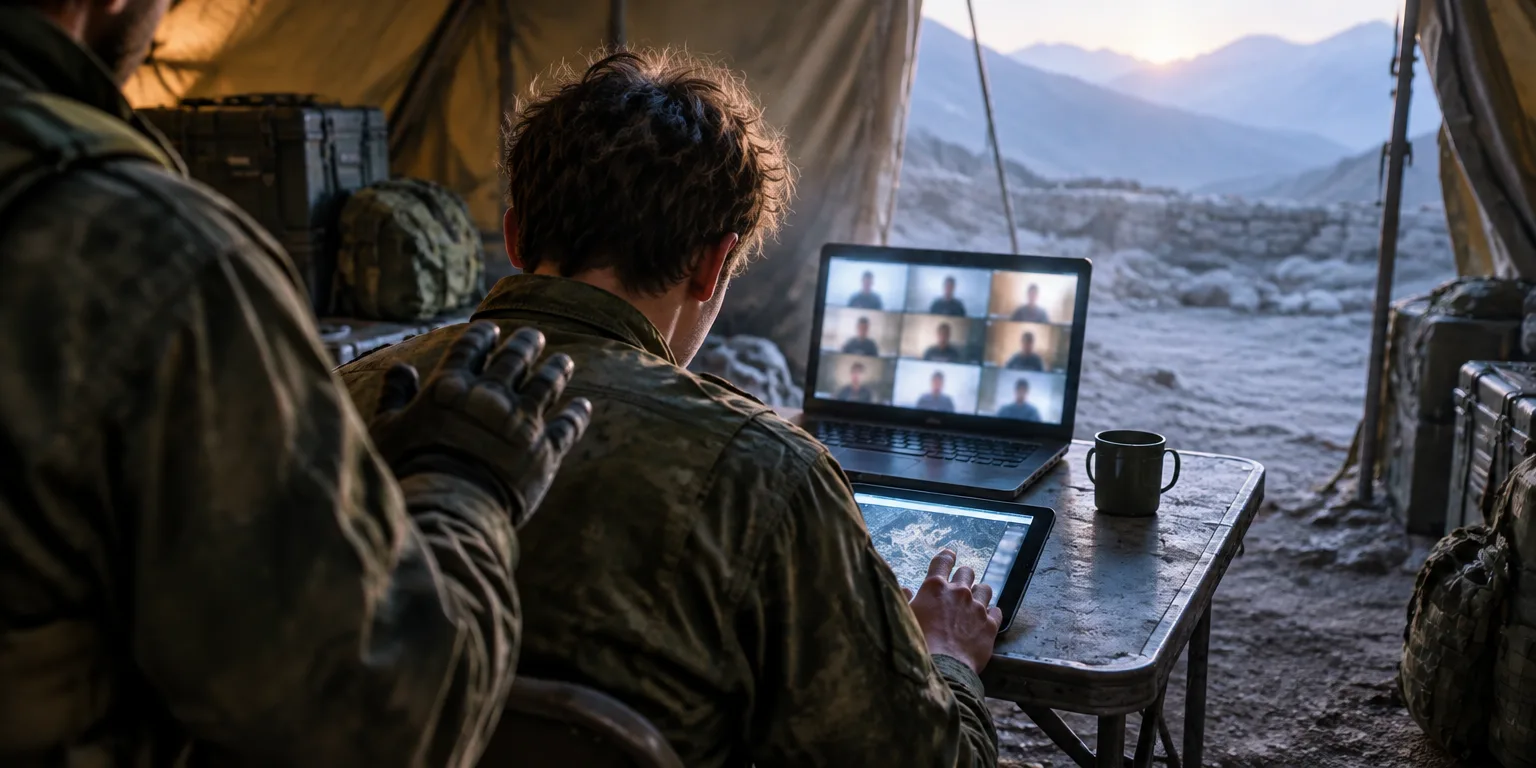
In that world, he could not gather key leaders in one room, meet them face to face, and earn their confidence. He had to lead by video conference, chat, email, and phone calls, trusting 22-year-olds operating alone thousands of miles away, and earning their trust in return. In one operation coordinated from multiple locations, McChrystal said, his force failed, and he had to rebuild trust and confidence, with seniors and within the force, "without the ability to put a hand on a shoulder."
Orders were no longer enough. He had to build consensus and a sense of shared purpose.
The sixth-grade answer made the challenge concrete. McChrystal and his young Ranger needed what he calls shared purpose and shared consciousness, yet they brought different experiences, and often even used different words. The younger troops also brought completely different skills with digital media.
He described so much change among junior troops in tools and methods that the things senior leaders grew up doing were no longer what troops were doing. He asked how a leader stays credible and legitimate when he has not done what the people he leads are doing, and called it a new kind of leadership challenge. It forced him, McChrystal said, to become "a lot more transparent, a lot more willing to listen, a lot more willing to be reverse-mentored from lower."
McChrystal said that despite those differences in experience and vocabulary, "we need to have that shared sense" of purpose.
Questions people ask
What is a Ranger platoon?
Rangers are elite infantry soldiers in the U.S. Army who specialize in raids and other demanding combat missions. A platoon is a small unit, usually a few dozen soldiers, divided into even smaller teams that train and fight together.
Why were U.S. forces in Afghanistan after 9/11?
After the attacks of Sept. 11, 2001, the United States invaded Afghanistan because the Taliban government there had sheltered al Qaeda, the group behind the attacks. U.S. and allied forces stayed for nearly 20 years, fighting the Taliban and trying to stabilize the country.
What does being reverse-mentored mean?
Reverse mentoring flips the usual direction of teaching, with junior people coaching senior leaders. In the military and in business, it is often used so younger troops or employees can teach bosses new technology, tactics, or cultural knowledge.