A Ghost Story Can Matter Even If No Ghost Is Real
Writer Coya Paz Brownrigg says the power is not in proof, but in what the story reveals about fear and feeling.
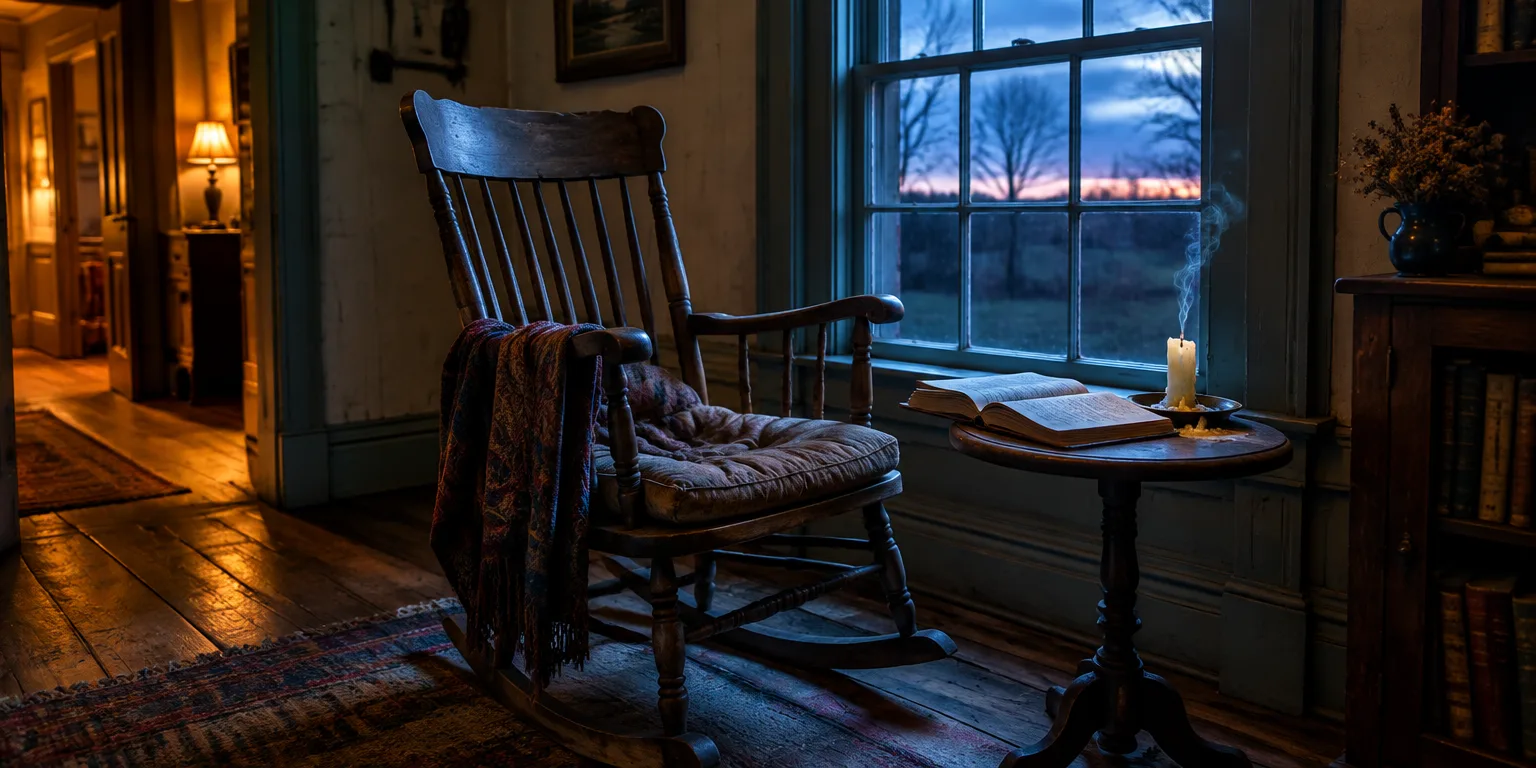
 TED Talks Daily · The haunting truth of ghost stories | Coya Paz Brownrigg (re-release)
Writer and director Coya Paz Brownrigg, who is also a historian and performance maker, came to her conclusion after years of being afraid to even listen to a ghost story. She said, "I didn't even want to hear a ghost story because I didn't want to entertain the possibility that a ghost might exist."
That fear made sense to her. As she put it, "In popular culture, ghosts are portrayed as mean, vengeful, destructive forces." She added, "They're terrifying at worst and unsettling at best." She described them as surprise visitors that force us to feel something, and she said, "We are taught to be afraid of dying and death and to the dead."
Then she changed the question. "It doesn't matter whether or not a ghost is real. The ghost story is," she said. She noted that she is not alone in thinking that way. There is a whole interdisciplinary field called spectrality studies devoted to taking ghost stories seriously.
For Paz Brownrigg, the shift was personal. She said, "But when I stopped worrying about ghosts and started worrying about ghost stories, I found myself in a new relationship with the world around me." The story, not the proof, became the point.
For her, that emotional pull is what makes a ghost story matter. She said, "Like no other kind of storytelling, ghost stories ask us to gather around, lean in, and thrill at the possibility that some very scary, very chilling thing actually happened while at the same time being so sure that it didn't, right? Right? Right?"
She said, "I have found that almost everyone has a ghost story." Even skeptics, she said, tend to have one puzzling experience they assume must have a logical cause, though they cannot name it. She said, "And this not knowing has left them unsettled with a feeling they can't quite explain."
And that unsettled feeling, for Paz Brownrigg, is what makes the story matter, because it gets at how people really feel. She said, "And this is what I love about ghost stories, how so often they get right to feeling."
Questions people ask
What do scholars in spectrality studies actually study?
It is a loose, interdisciplinary area where scholars in literature, history, anthropology, and cultural studies treat hauntings as a way to talk about memory, trauma, and unresolved history. Scholars do not try to prove that spirits exist. They study why ghost stories appear, what pasts they keep alive, and what they reveal about the living.
Is it really true that almost everyone has a ghost story?
Surveys in the United States have repeatedly found that a large minority of adults say they believe in ghosts, and a still larger share report feeling they have sensed an unexplained presence. Researchers generally explain this as a mix of grief, stress, sleep effects, and the human tendency to sense agency. The feeling can be vivid even for skeptics.
Why does popular culture make ghosts so scary?
Partly because fear sells tickets, and partly because a threatening ghost creates a clearer plot. A vengeful spirit gives a movie a villain, a mystery, and a deadline. Quieter stories, in which a presence simply lingers or comforts, are harder to turn into horror.