A Good Leader Can Let You Fail Without Letting You Become a Failure
After a disastrous mock battle and a brutal public debrief, one sentence from his commander changed how Stanley McChrystal thought about leading.
 TED · Stanley McChrystal: Listen, learn ... then lead
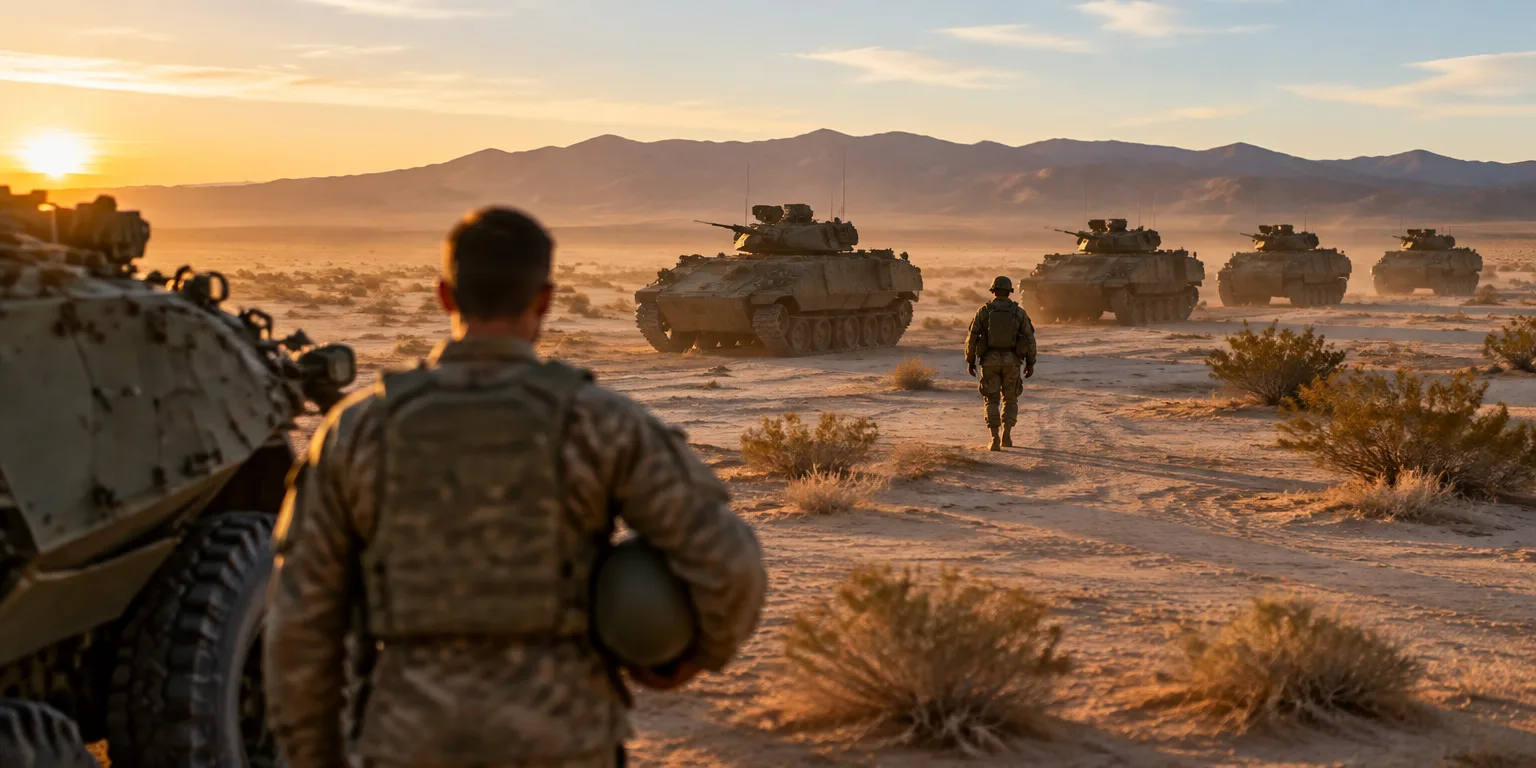
Stanley McChrystal had been up all night. The young Army officer, then commanding a company of armored vehicles, had prepared his soldiers for the classic dawn attack at the National Training Center, the Army's big mock battlefield where units practice war against a skilled pretend enemy. They moved to the starting line in the dark and rolled forward at first light.
They were destroyed almost instantly. The enemy, McChrystal recalled, did not break a sweat doing it.
That swift, total defeat is the heart of a lesson about leadership that McChrystal, who would go on to become an Army general, carried for the rest of his career. The point was not how to avoid failing. It was how a boss responds when a subordinate already has.
The contrast with his earlier experience was sharp. One of his first battalion commanders spoke to him only once in 18 months, chewing him out for about 40 seconds 18 miles into a 25-mile march. That was interaction, of a sort.
At the training center, humiliation was formal. After the battle, the Army brought up a mobile theater, a portable auditorium with a big screen, for what it calls an after action review, a detailed debrief meant to show exactly what went wrong. McChrystal described it as leadership by humiliation, a painful replay of everything he had not done. McChrystal said, "I walked out feeling as low as a snake's belly in a wagon rut."
He saw his battalion commander and went over to apologize for letting him down.
Instead, the commander said, "Stanley, I thought you did great."
McChrystal said, "In one sentence, he lifted me, put me back on my feet." He let McChrystal fail in the exercise without treating him as a failure. As McChrystal put it, "leaders can let you fail and yet not let you be a failure."
Years later, as a 46-year-old brigadier general after September 11, 2001, McChrystal led a force spread over more than 20 countries.
Questions people ask
What is the National Training Center?
It is a large Army training area in California where units fight realistic mock battles against a dedicated opposing force. Lasers and sensors record hits and misses, so commanders learn from mistakes without real casualties.
What is an after action review?
It is the Army's structured debrief after training or operations. Leaders and soldiers review what was supposed to happen, what actually happened, and why, usually with recordings or data. Done well, it is candid rather than punitive.
How big are an Army company and battalion?
A company is usually 100 to 200 soldiers, and a battalion is made up of several companies, usually 500 to 800 soldiers. So a battalion commander is the direct boss and evaluator of a company commander.