A Grandmother Says Baby Monitors Teach Parents to Trust Numbers Over Instinct
When the app drained her phone and sent her rushing to a sleeping baby, Madhu Maheshwari concluded that modern parents are trying to optimize a child who cannot be optimized.
 The Daily · Health Trackers Are Everywhere. Do Babies Need Them, Too?
Madhu Maheshwari had agreed to watch her granddaughter overnight, and her daughter put an app on her phone so she could watch, too.
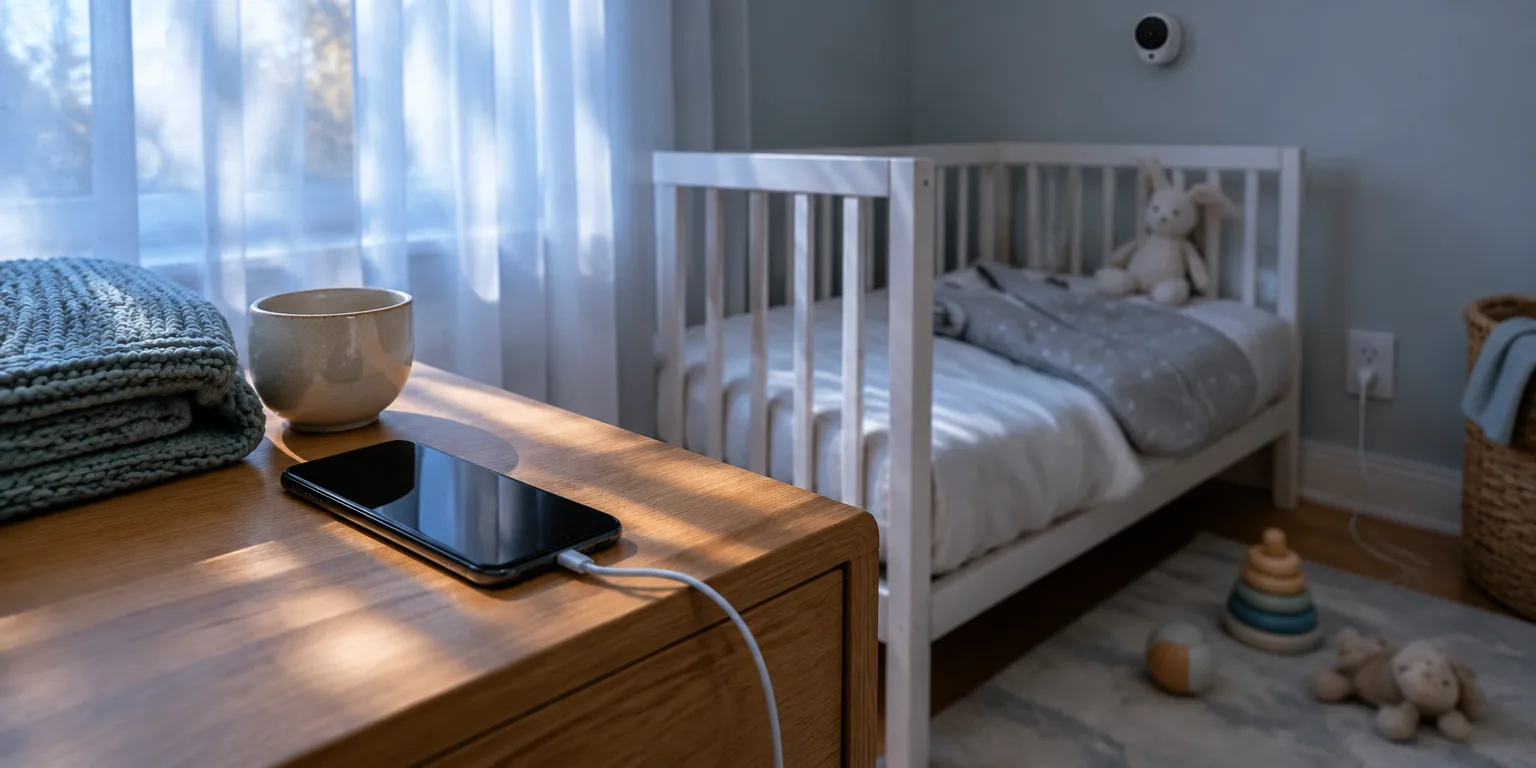
Madhu Maheshwari, the mother of reporter Sapna Maheshwari, had raised three children herself without one. The app, from a baby monitor called Nanit, is a camera that hangs over the crib and sends video and updates to a phone. That night, it pinged her again and again, reporting how the baby was moving and turning. Madhu found herself staring at the screen and thinking she had to watch the thing.
Then her phone battery died. She had left the app running all night without realizing it. In the morning she woke with a jolt, convinced something had happened, and rushed into the grandchild's room. She expected crying. The baby was asleep.
The scare captured a split the family now argues about openly, over whether tools that promise to optimize infant sleep help parents or train them to stop trusting themselves. Nanit is studying the exact question, trying to pin down the best bedroom temperature for sleep, which it currently believes is 68 to 72 degrees.
To Madhu, the search for a perfect number is strange. She grew up in India, where she said babies slept just fine in heat of at least 100 degrees. Who sleeps by room temperature, she asked. She told her daughter that the monitors had trained parents to think things must be a certain way. "But I don't believe in that," she said.
Sapna said her mother believes all this monitoring fuels an unhealthy obsession among modern working parents. Madhu pointed to fixed bath times and bedtimes, sleep sacks and rules about leaving a baby untouched in the crib. Sapna said her mother believes parents bring a baby into their lifestyle and the baby will adjust.
Madhu put it bluntly. Babies are not robots, she said. She urged parents to trust their instinct and their baby's cues and stay "a bit relaxed about the whole thing."
Sapna said her mother's larger fear is that her generation is trading away a human skill, watching a baby closely to learn the small signs of tiredness or need, for apps, technology and chatbots. An unnamed pediatrician she spoke with for her reporting echoed that worry about parents relying too much on apps instead of their baby's cues. As for that morning with a dead phone, Madhu said she probably would have heard the baby without the monitor.
Questions people ask
What does a monitor like Nanit actually do?
It is a camera mounted over the crib that streams video to a phone app and logs sleep, wakeups, and movement. Some models also offer temperature guidance, morning recaps, and, for a subscription fee, AI-generated advice on when a baby should sleep next.
Is 68 to 72 degrees really the best temperature for baby sleep?
Many American parenting guides cite that range as comfortable and safe, and Nanit says it is studying the question. Pediatric guidance stresses avoiding overheating and keeping the room comfortable, but there is no single federally mandated perfect temperature, and babies do sleep in hotter and colder places around the world.
Do doctors think baby trackers harm bonding or instincts?
Some pediatricians worry that constant alerts can raise anxiety and lead parents to watch data instead of the baby. Others say monitors can help exhausted or anxious parents rest, especially when leave is short, so the advice is usually to use the video for safety and reassurance without following every metric.