A Grenade Exploded at His Feet in Afghanistan and His SEAL Team Got Him Out
After six hours of urban combat, John B. Allen expected to die in an alley. His teammates carried him a mile to a helicopter.
 The Joe Rogan Experience · #2543 - MrBallen
The grenade hit John B. Allen's shoulder and dropped to the ground at his feet.
Allen, then a Navy SEAL on his first combat deployment in Afghanistan, was crouched with six other men in the dark in an alley, peering over a six foot wall. On the other side, unseen fighters were holding grenades with the pins already pulled. Above them, a drone shone a flashing infrared strobe that only night vision could see. Allen watched the grenade appear and vanish as the light blinked on and off.
His first thought was that it would blow his head off and his mother would not get an open casket. As it fell lower, he thought his face might survive. When it landed, he thought he might only lose his legs.
That moment in April 2014 capped a disastrous day in Zaranj, a hard fighting town across a bomb lined road called Route Utah. Allen and about 20 other SEALs, plus Afghan partner troops, had walked into a courtyard under two story buildings after hearing on open radio that fighters planned to ambush them there. Under rules that generally required them to be shot at first, they chose to go forward rather than retreat across open desert. Machine guns opened up, and what followed was about six hours of what Allen called "roof to roof, building to building shooting," with fighters vanishing into tunnels.
By nightfall, with no one on the American side killed, Allen's seven man team left to check a drone report of military age men in the vicinity of their exit route. They crept down an alley expecting to look over a low wall into a field. Instead, they found fighters speaking Pashtun right beyond the wall, so close that any noise would give them away. With hand signals, the team leader ordered them to fire over the wall. Two grenades came back.
The blast, Allen said, "felt like someone took a handful of rocks and just threw them at my backside." He could not stand, could not pull the tourniquets rubber banded to his chest, and was dragged down the alley and propped against a wall as rocket propelled grenades landed nearby. Then his hearing went, then his sight. Fully lucid, he thought about whether his obituary would say Jonathan Allen or John Allen, about his wife getting the notification, and about wishing he had kids to leave a legacy. He felt himself keel over and thought he was dying.
Then a SEAL named Kyle, a sniper and medic Allen calls the calmest man under pressure, appeared and cinched tourniquets on Allen's bleeding legs. While reassuring him, Kyle went back for another wounded man whose lung had collapsed. Their team leader, with gunfire coming in, called in a danger close airstrike, meaning a strike on his own position that had to land exactly beyond the wall, while talking on two radios and pulling men to cover. The strike hit. The five men who could still walk carried Allen about a mile to a helicopter and then fought their way back to rejoin the rest of the force.
On the medevac helicopter flight out from the alley, Allen refused morphine because he wanted to stay lucid if he died. He was flown to a base called FOB Shank with his clothes cut off. Wheeled into a blindingly bright surgical tent, he saw about 15 SEALs he knew personally standing at attention in a corner in their best deployment uniforms. They had tracked the casualty reports and come in case he died. It felt, he said, like being wheeled into his own funeral, before the doctors swarmed him to cut out the shrapnel.
Questions people ask
What is a danger close airstrike?
It is an airstrike called in on a target so near friendly troops that it could kill them too. U.S. procedure requires extra approval and exact coordinates, and pilots must drop with tight precision. In this case, the target was just beyond the wall from Allen's team.
Why did he carry tourniquets on his chest?
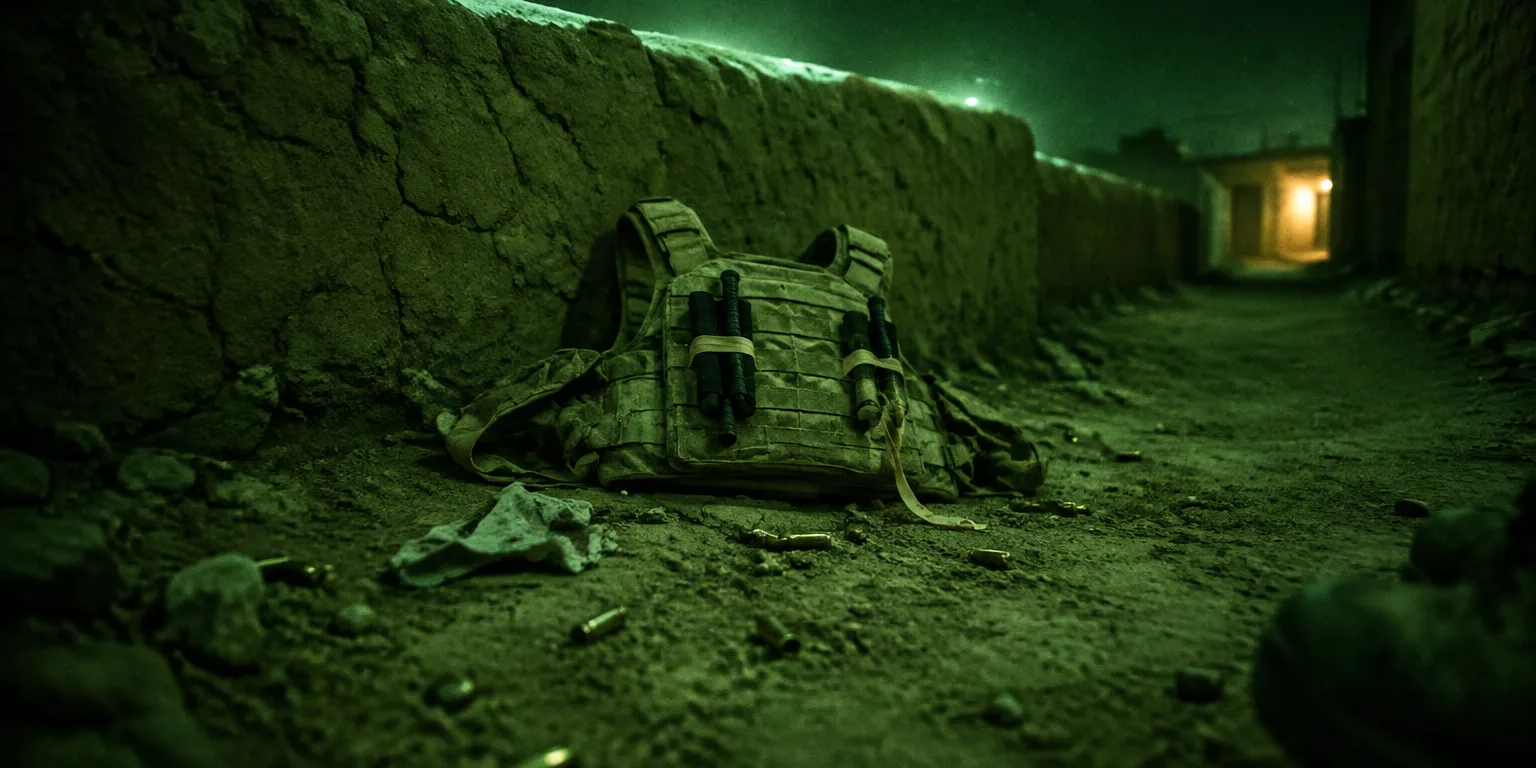
American troops often keep one or more tourniquets in an easy to reach spot on their body armor so they, or a buddy, can grab them in seconds. Allen said his team rubber banded them to their chests so they could be snapped off fast. After the blast, he was too weak to pull his own free.
What were his injuries?
He said he bled heavily from his legs, where Kyle applied the tourniquets, and took a deep shrapnel wound that doctors had to keep open so it would heal correctly. He also said he was told the blast likely briefly dislocated both shoulders, though Allen says he truthfully doesn't know if that happened, and that he tore the labrum tissue in both.