A hacked chicken coop camera was broadcasting Israeli troops
The camera meant to spot foxes was streaming soldiers instead, a sign of how 1.2 billion connected cameras can become spies.
 WSJ What's News · IMF Warns AI’s Riches Are Increasingly Concentrated
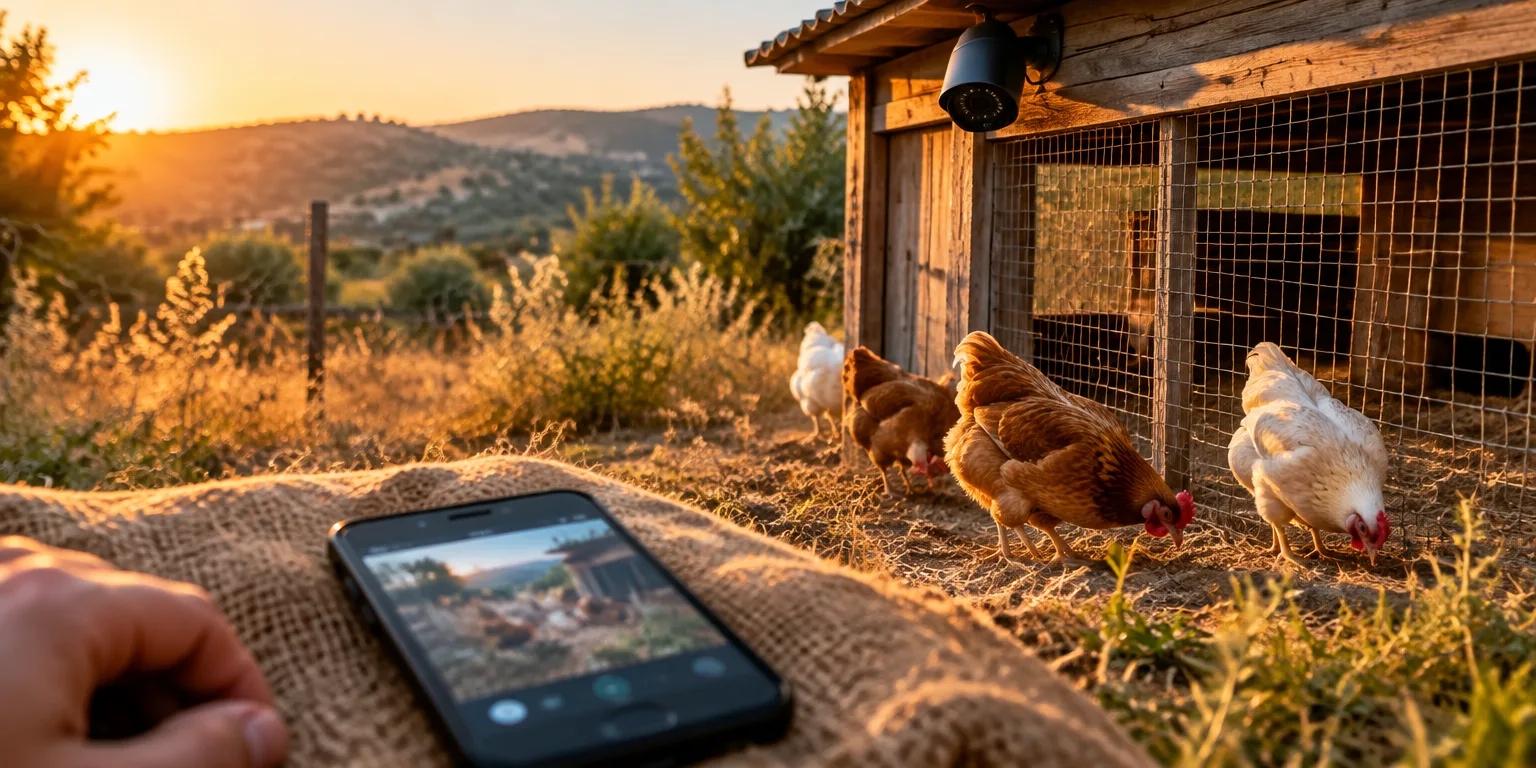
The chicken farmer in northern Israel opened the app on his phone to check on his birds. He had mounted a small camera on the coop to guard against predators that might threaten his flock.
One day, the app was in Arabic.
He contacted the authorities. Investigators determined that intruders had taken over both the camera and its phone software. The feed meant for chickens was also sending out pictures that showed Israeli troops on maneuvers.
It is a vivid example of a much larger vulnerability. There are an estimated 1.2 billion internet-connected cameras in the world, filming front doors, nurseries, and farmyards, and cybersecurity experts say poor security can turn them into tools for wartime intelligence gathering.
The Israeli Security Services publicized what happened on the poultry farm to alert the public to the danger, according to Dan Michaels, a cybersecurity reporter for The Wall Street Journal. Michaels said hackers working for one side in a conflict break into cameras on the other side and often post what they find. As Michaels put it, "One side hacks in and gets access and often posts what they got on social media to show how good they are at getting inside the enemy."
What has changed is how easy the break-in has become. A connected camera's location or existence can potentially be listed in special corners of the internet that most people never see but that coders and engineers know well. Once hackers know a camera exists, it is a matter of picking the lock, which is often easy because camera security is poor. Artificial intelligence now lets systems sweep the web looking for cameras and then test enormous lists of possible passwords.
Similar snooping has shown up far from the farm. Dutch intelligence agencies warned this summer that Russia was using webcams for espionage and intelligence gathering, including views of the Kerch Bridge between Russia and occupied Crimea that, as Michaels put it, "could only have come from unintended access."
Back in northern Israel, the farmer had wanted to know if a predator was after his chickens. He learned instead that someone else had been watching through his camera, and watching his country's soldiers too.
Questions people ask
How do hackers even find a random farm camera?
Hackers use special search tools that catalog connected devices on the internet. Once they find a camera, software, now boosted by artificial intelligence, can try vast numbers of passwords until one works, which is often easy because camera security is poor.
Is this happening outside war zones?
Yes. Dutch intelligence agencies have flagged Russian hacking of cameras in Western Europe, apparently to spy on assistance to Ukraine. In the United States, camera hacking also occurs, sometimes to steal the video itself and sometimes because a weakly protected camera offers an easy way into a larger network, such as a bank.
What can I do to keep my own camera from being hacked?
Do not keep the default password, and change it every few months or once a year. Buy from reputable brands that issue software updates to fix vulnerabilities, and be careful about who you share passwords with and who you let onto your home Wi-Fi network.