A Homeless Man's DNA Showed Up on a Murder Victim He Never Met
He was in the hospital when the killing happened, but it still took five months in jail to clear him.
 Veritasium · We've Been Using The Wrong Science In Court For 50 years
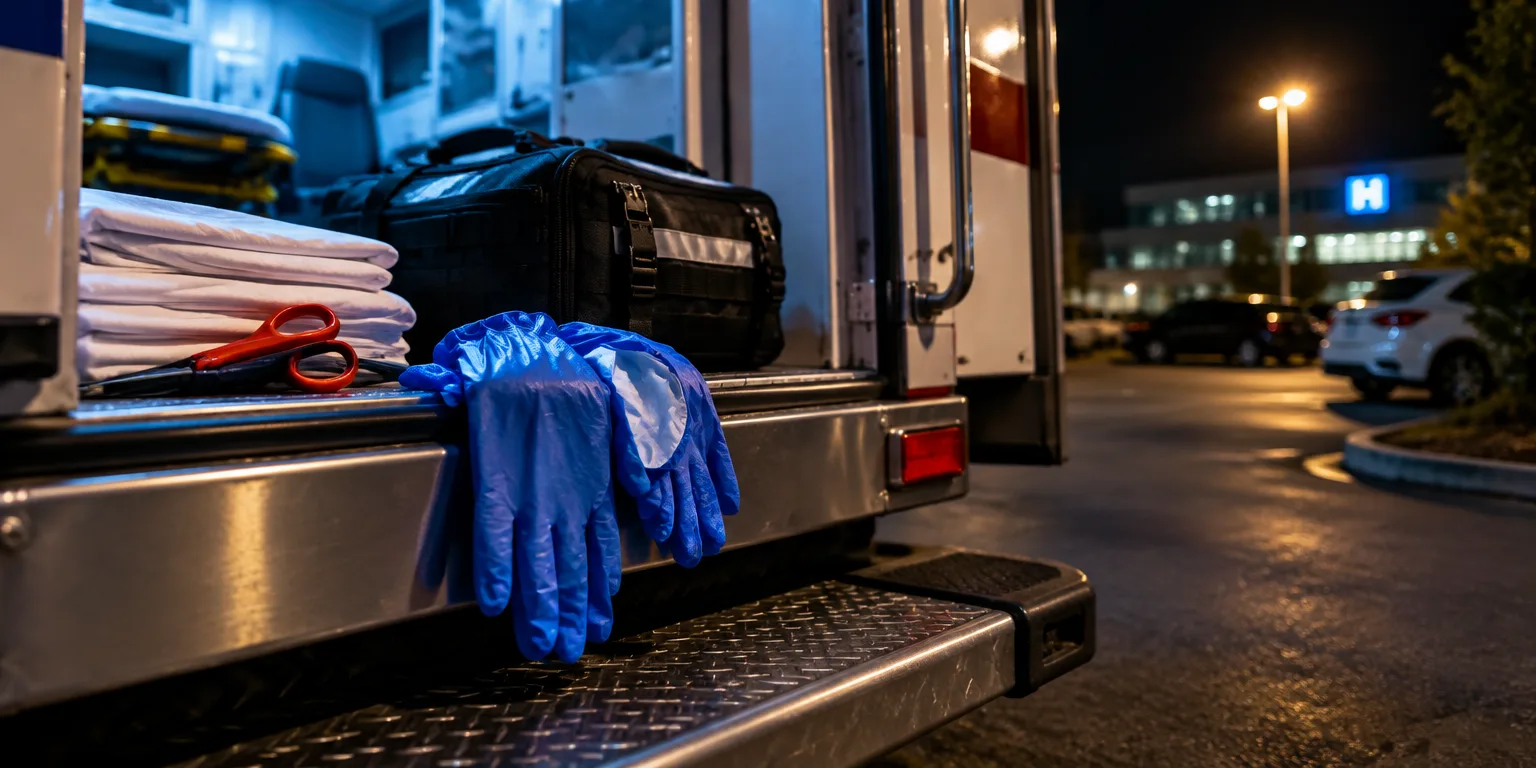
One night in 2012 in California, paramedics went to help a homeless man, Lucas Anderson, who was heavily intoxicated. They treated him at the scene and brought him to a hospital for care. Without realizing it, they carried away tiny bits of his genetic material on gloves and gear.
Later that same night, the same crew answered a call about the murder of a businessman. During that second response, Anderson's DNA moved from their equipment onto the victim's fingernails.
That speck of genetic material nearly cost Anderson his life. Investigators found his DNA under the victim's nails and charged him with murder. He faced the death penalty, even though he had been in the hospital when the killing occurred.
The case captures a paradox of modern DNA testing. The same sensitivity that can find a killer from almost nothing can also implicate an innocent person. Tests can now detect trace amounts of DNA, sometimes called touch DNA, left by brief contact with skin, saliva, or other cells. That power makes it possible to identify someone from a few cells, but it also means the cells may have arrived by an innocent route.
Here the route was the paramedics' gear, used on one call and then on the next. Once left in a dark, dry spot, such genetic material can linger for centuries. A door handle touched by many people will likely yield more than one profile.
Anderson stayed in jail for five months before prosecutors dropped the charges. He had been in the hospital at the time of the crime, yet the charges remained in place for all that time.
The test shows whose cells they are, not how or when they got there. DNA is powerful for identifying people, but the result means little without context about how the sample arrived.
Questions people ask
Can my DNA really end up somewhere I have never been?
Yes. Researchers call it secondary or tertiary transfer. Shaking hands with someone who later touches a knife, sharing laundry, or reusing gloves and tools can move enough cells to produce a detectable profile, even if you never visited the location.
How long does touch DNA survive?
Under cool, dark, and dry conditions, DNA degrades slowly and can be recovered after decades or, in archaeological samples, far longer. Heat, moisture, sunlight, and bacteria break it down much faster, so a damp crime scene may yield nothing usable after days.
If DNA testing is so accurate, why did it go wrong here?
Labs compare about 20 short regions of DNA that vary between people. A full, single-person match is extremely rare to share by chance, often one in quadrillions. The problem comes with mixtures or tiny samples, where analysts must judge which peaks count and what they mean.