A Huberman Routine Says to Lift Less but Push Harder for Strength
The routine is two all-out sets per move, long rests, and a notebook to track small gains.
 The a16z Show · Andrew Huberman’s Three Rules for Better Health and Focus
Getting stronger may take fewer sets, not more, if the few sets are extremely hard.
That is the approach of Andrew Huberman, a Stanford neuroscientist and health podcast host. He says he has trained this way for 35 years, and that other people are surprised by how short the workouts are and how well they work.
The session starts easy. For each move, do one light set of 10 or 12 repetitions just to get blood flowing, then a medium set with a weight you could lift about 10 times but stop after three, to prepare the nervous system for heavier work.
Then comes the hard part: two work sets in good form pushed until you cannot finish another full repetition without breaking form.
Huberman recommends resting three or four minutes between those work sets, a pause he acknowledges feels long.
The exercise list stays short, often two moves per body part and sometimes three. For thighs, that might mean a leg extension followed by a squat or leg press, then a similar pair for the back of the leg.
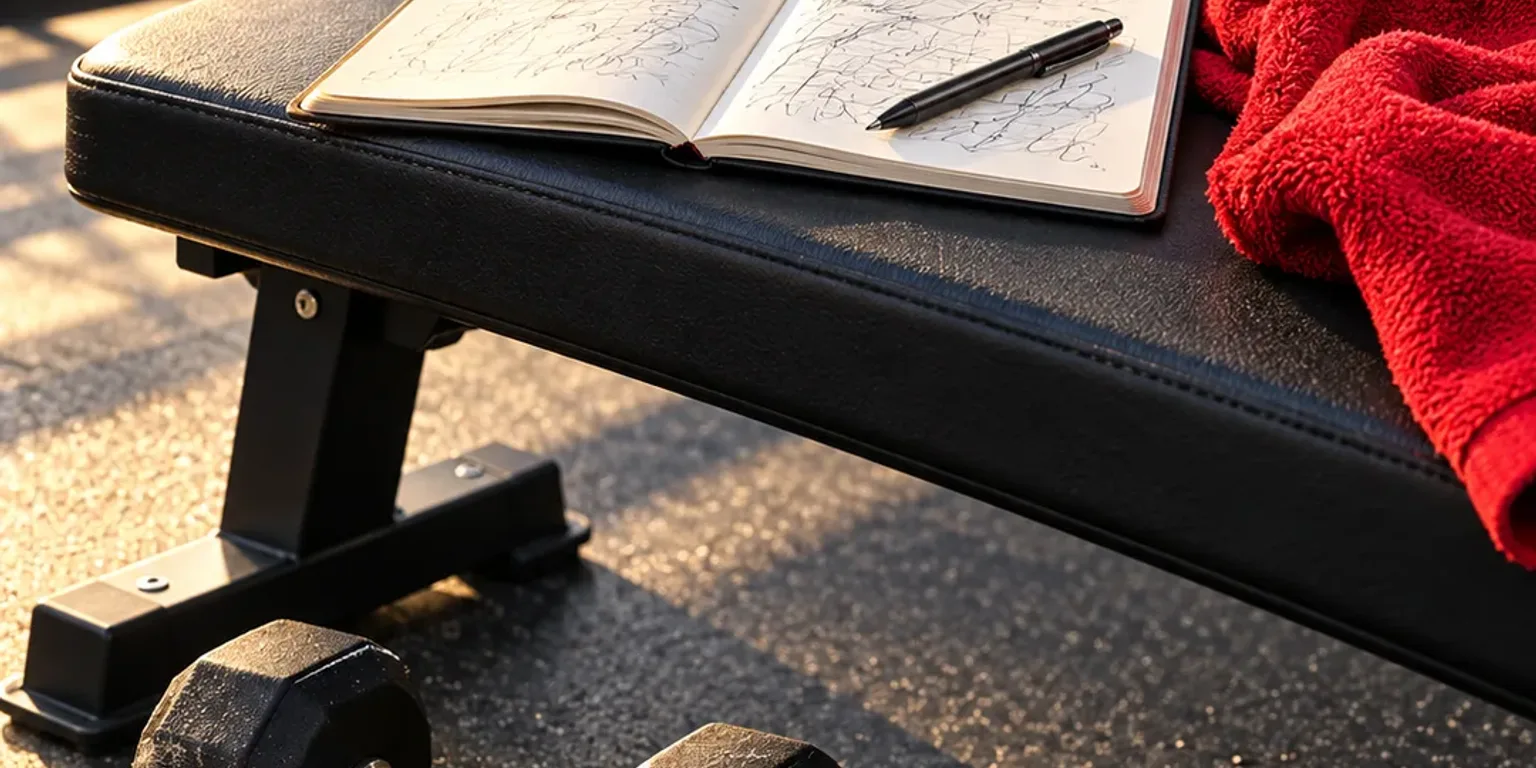
Huberman says to write down the weight and repetitions each workout and try to add a little weight or one more repetition next time. That practice of aiming for a little more over time is called progressive overload.
The surprise, he says, is that even leg day leaves you tired but not flattened, with faster recovery and a nervous system that feels less taxed.
He recalled a former Division I soccer player, a top level of American college sports, who told him she got better results on about one third of her previous training volume because she could put more energy into each hard set.
Done three days a week, he says, this kind of training can support strength, body recomposition, and better posture and mobility, while offsetting the muscle and strength loss that comes with age.
Questions people ask
What does training to failure actually mean, and is it safe?
Failure means you stop when you cannot complete another full repetition with safe form, not when the weight collapses or you get hurt. Most coaches suggest beginners first learn the movement with lighter weights and stop one or two repetitions short. A spotter or a machine can add safety for moves like squats and presses.
Why rest three or four minutes between sets?
Long rests give the muscles and nervous system time to clear fatigue and restore the quick energy used in a hard set. Two to five minutes is common for heavy, compound lifts. Shorter rests are fine for lighter work, but they make it harder to repeat a true maximum effort.
Do I still need cardio if I lift this way?
Cardio trains the heart, lungs, and endurance in ways lifting does not. Federal guidelines generally suggest at least 150 minutes of moderate activity or 75 minutes of vigorous activity a week, plus two strength days. Huberman pairs his three lifts with short intervals and longer hikes or runs in the same week.