A Lawmaker Voted to Repeal Seatbelt Rules Because Drivers Ignored Them
The Illinois mandate survived, but Dennis Hastert argued that widespread disobedience showed the law made no sense.
 Behind the Bastards · Part One: Dennis Hastert: The Longest-Serving Republican Speaker of the House
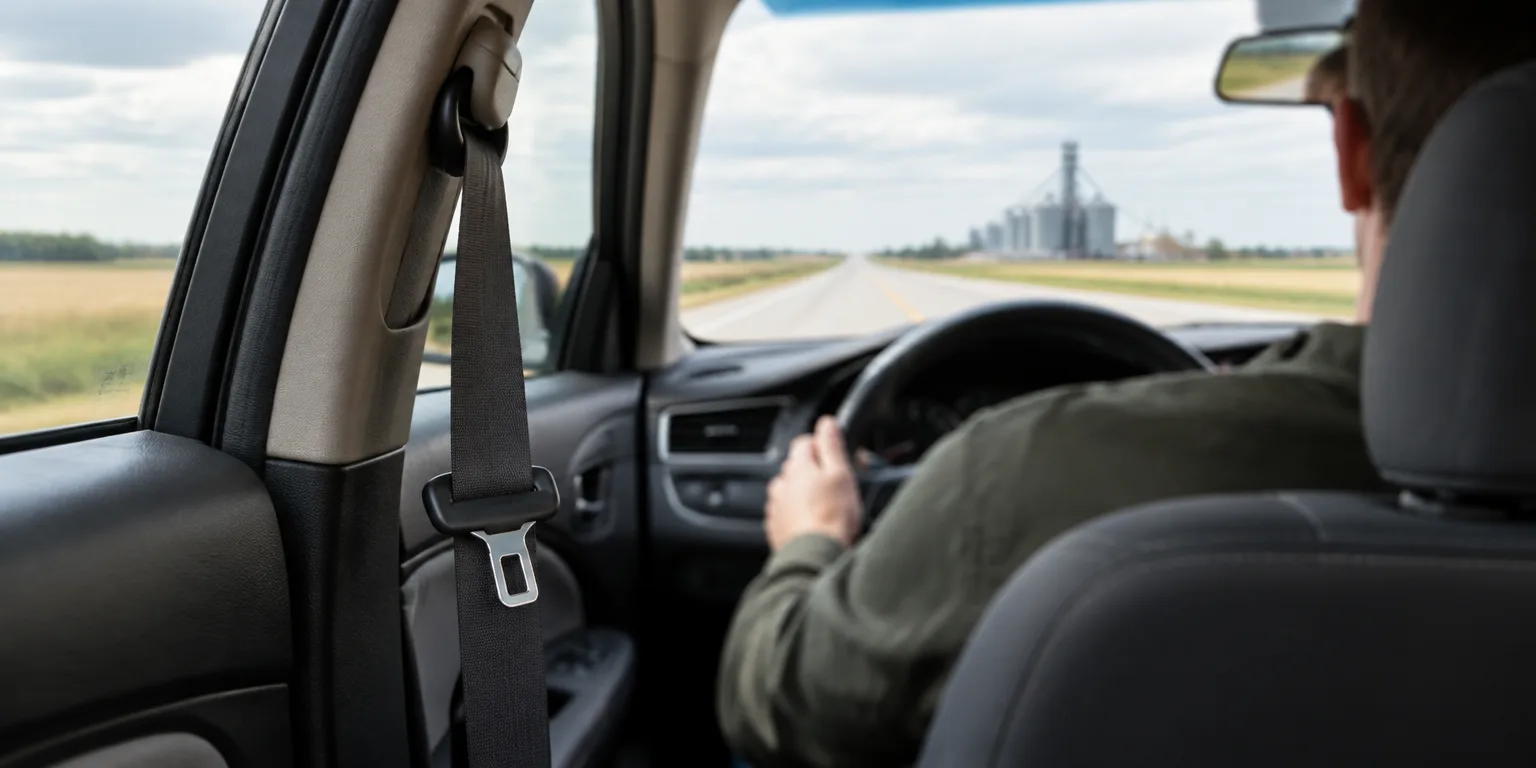
The new rule in Illinois was simple: buckle up. On highways around Springfield, the evidence was easy to see, in car after car with a driver riding unbuckled and a belt left hanging unused against the door.
The straps were there. Many drivers simply left them alone.
Dennis Hastert was watching. He was then a Republican in the Illinois statehouse, and he had voted for the mandatory seatbelt law.
Then came a backlash, and Hastert changed his position. He voted to repeal the same law.
Hastert treated disobedience as the verdict. He said seeing so many people drive without seatbelts convinced him the law made no sense.
That reasoning stood out even in a busy stretch in Springfield, where Hastert was building a record as a staunch conservative. He opposed bills to ban discrimination against gay people, and he used his office to help find government work for friends and family.
On seatbelts, his explanation was plain and political. People hated seatbelts, was the gist, so the state should stop requiring them.
After backing the mandate, he voted to undo it. His stated reason was what he had seen on the road: too many unbuckled drivers.
He cast his vote for repeal, but the requirement did not go away. Illinois continued to require drivers and passengers to buckle up, and it still does.
Years later, Hastert served in Washington from 1999 to 2007 and held the Speaker's gavel longer than any Republican before him.
The cars kept rolling on the highways around Springfield, many of them still unbuckled. For Hastert, what he saw through those windshields was reason enough to turn a vote for seatbelts into a vote against requiring them.
Questions people ask
Did Illinois actually repeal its seatbelt law?
No. Illinois still requires drivers, front-seat passengers, and generally all back-seat passengers to wear seatbelts. Hastert voted for repeal, but the mandate survived and remains the law.
Do seatbelts actually save lives?
Yes, by a large margin. Federal safety officials estimate seatbelts cut the risk of serious injury or death by about half, and that thousands of lives are saved each year by buckling up. They keep occupants in place during a crash and spread force across stronger parts of the body.
Why were mandatory seatbelt laws so unpopular at first?
Many drivers saw the first mandates as government overreach, uncomfortable, and hard to enforce. Some argued that adults should decide their own risk, while police and courts wrestled with stops and fines. That resentment made seatbelt votes politically sensitive in statehouses.