A Maggot Exists That Eats Only Living Flesh
Left alone, the wound only gets worse, and in the 1930s the parasite was killing livestock by the million.
 Construction Physics · The Fall and Rise of Screwworm
Most maggots feed on dead tissue. The New World screwworm maggot feeds only on living tissue.
It begins when a female fly lays eggs on an open wound, even a tiny one. The eggs hatch into wriggling white worms, which grow to more than half an inch as they tunnel deeper into the living animal while feeding. The wound grows worse, which attracts more flies to lay more eggs. After feeding for several days, the worms fall out, form shell-covered pupae, and emerge as adult flies about a week later.
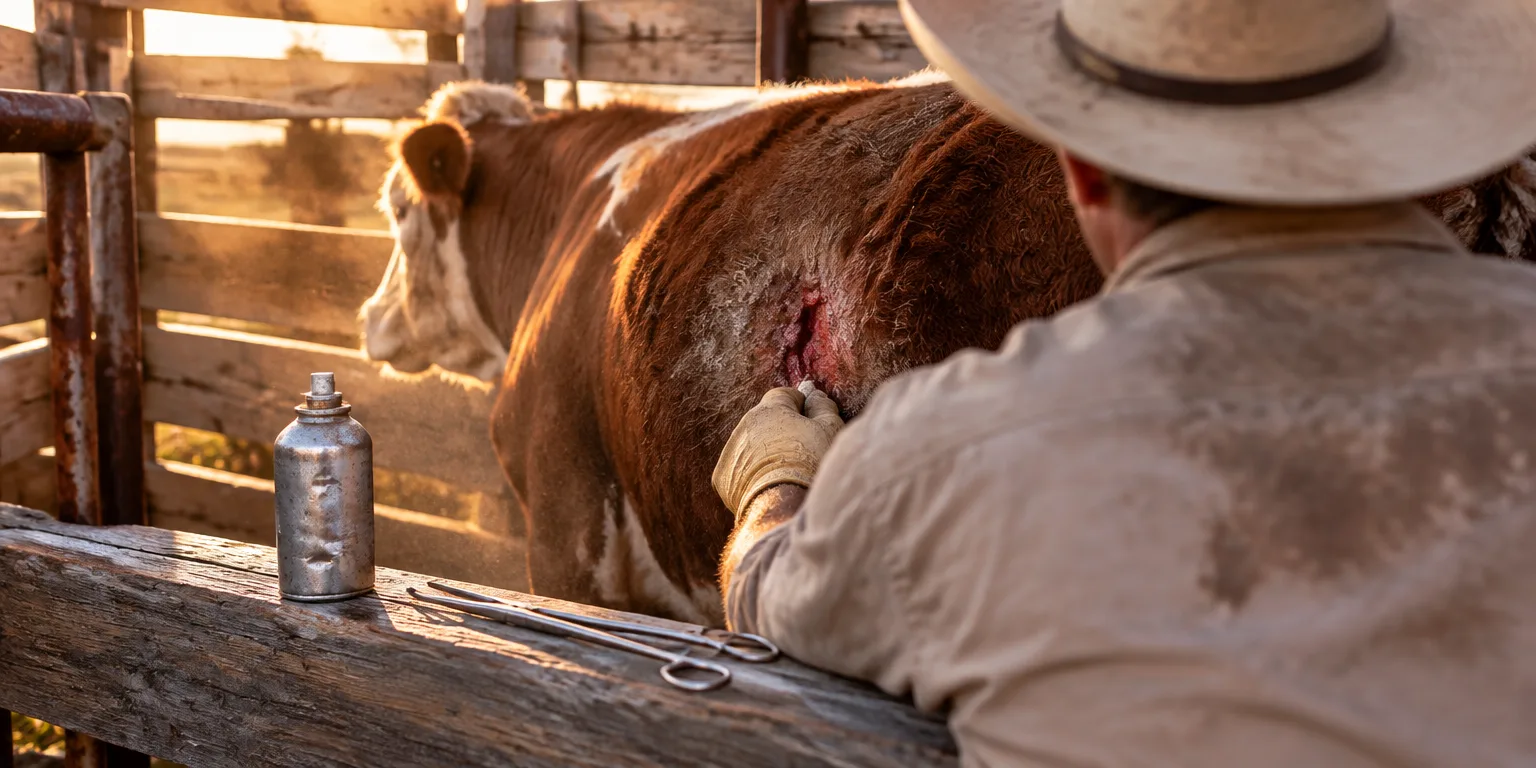
Without treatment, the infested animal usually dies. Ranching warped around the threat. As one author cited in the account put it, "People would not leave home for more than a day for fear of finding their animals had been eaten alive while they were away," and ranchers hired ranchhands whose entire job was inspecting animals for worms.
The toll ran to the millions. In Texas alone, federal surveyors in 1935 counted over 1.2 million infections and 180,000 dead livestock. Some estimates said screwworm killed 60% to 80% of white tail deer in Texas in the 1930s and 1940s, and the parasite occasionally infected people.
Questions people ask
Can screwworms infect people?
Yes, though livestock are the main victims. Female flies will lay eggs on any open wound, including a scratch, insect bite, or surgical incision on a person. Modern cases are treated by manually removing the larvae and cleaning the wound, sometimes with antiparasitic drugs.
Why is it called a screwworm?
It is named for how the larvae look and move. Their bodies are ringed with small spines, and they twist as they burrow head-first deeper into flesh. To early ranchers, that corkscrew motion suggested a screw being driven into wood.
How were infested animals treated before eradication?
Ranchers regularly rounded up animals to inspect every wound, then applied insect-killing chemicals to poison the maggots or picked the worms out by hand. Work accounts called the job disgusting and sickening, and it often failed. An infection in a horse, for example, was described in the late 1800s as typically fatal.