A Money-Losing Hot Dog Cart Became a 700-Store Chain That Pays a Park Almost $1 Million
The original Shake Shack still sends a share of every sale to Madison Square Park in New York.
 The Learning Leader Show With Ryan Hawk · 708: Danny Meyer - How You Make People Feel: The Founder of Shake Shack & Union Square Hospitality Group on Culture as Soil, the 49/51 Hiring Formula, and Leading With Generosity
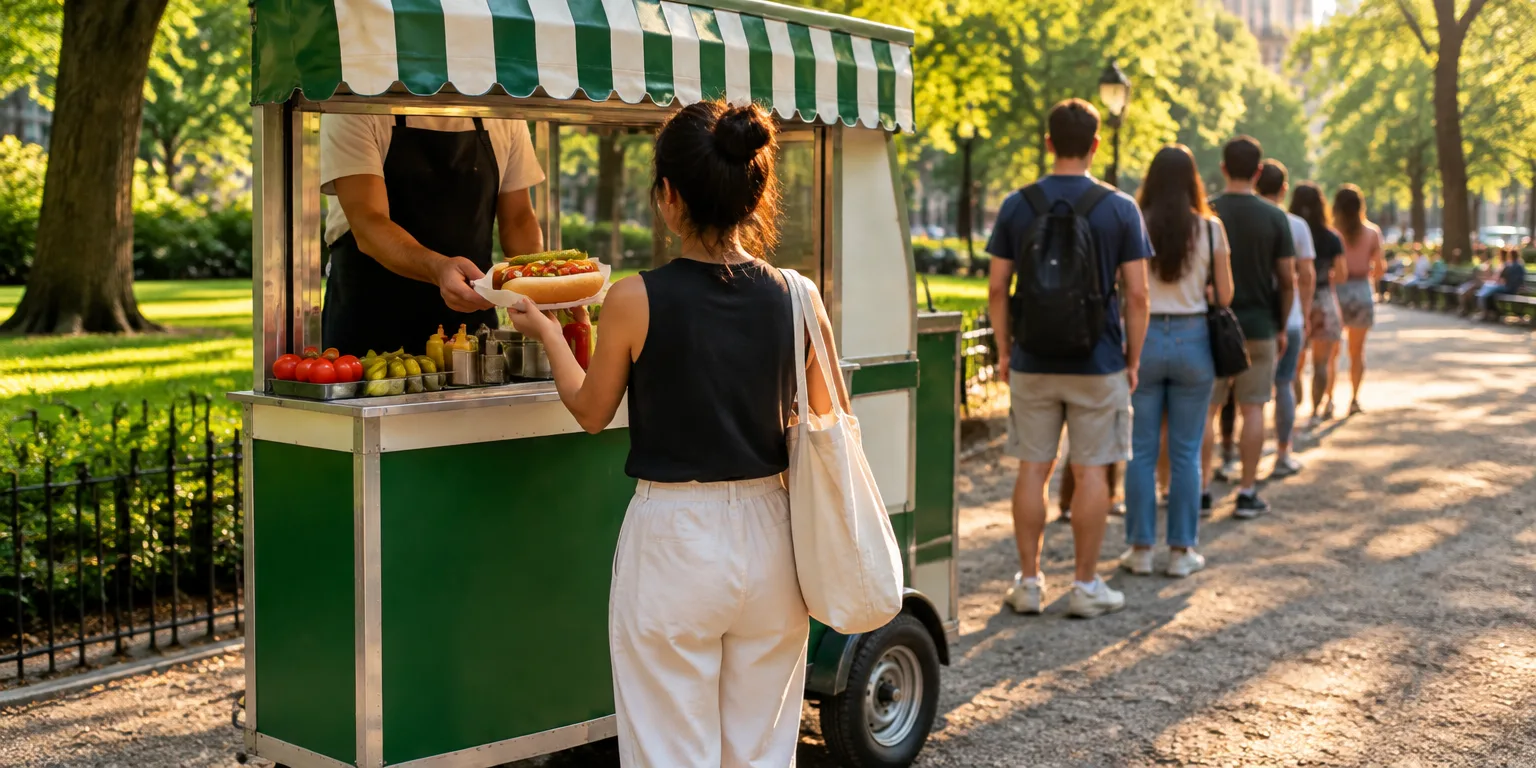
In the summer of 2001, visitors to Madison Square Park in New York found four taxicabs hoisted on stilts, with a decorated hot dog cart parked underneath. An artist had dreamed up the display to draw people into the park, but he needed someone to actually run the cart.
Danny Meyer, the New York restaurateur behind Union Square Cafe, Gramercy Tavern, Eleven Madison Park, and Tabla, said yes. Meyer said, "Madison Square Park was the front yard of two of my restaurants, Eleven Madison Park and Tabla," and he reasoned that taking care of the neighborhood around them would help his own businesses, too.
That summer cart lost money for two straight years, then grew into Shake Shack, a public company with 700 locations in 22 countries. Meyer said that "that first Shake Shack in Madison Square Park pays just shy of a million dollars a year in rent to that park," which still owns its building.
His own team thought the idea was crazy. Meyer recalled them telling him they were too busy running four restaurants to operate a hot dog cart they knew nothing about. He answered, "Let's imagine what could possibly go right."
He staffed the cart with restaurant coat checkers who otherwise would not have started work until the weather turned cold in late October. He served Chicago-style hot dogs, the kind piled with eight classic toppings, and challenged the four workers to remember each regular's exact order, one without mustard, one with double hot peppers, and so on. The point, Meyer said, was to prove that close attention to customers belonged at a street cart as much as in a fancy dining room.
The line stretched through the park, with hundreds of people waiting. There was a reason street carts do not usually employ four people, Meyer said, and the cart lost money in 2001. It lost money again in 2002, after the art came down and neighbors asked him to bring back what they now called "our hot dog cart."
For the third summer, in 2003, Meyer promised to donate all the earnings to the Madison Square Park Conservancy, the nonprofit that helps care for the park. It seemed a safe bet, since there had been no profits to give. That year the cart made 7,500 dollars.
That small surplus gave Meyer a bigger idea. Drawing on author Billy Shore's argument that business, not just charity or government money, could build community wealth, Meyer spent 750,000 dollars to build a permanent kiosk and gave the building to the park. Shake Shack would own the business, the park would own the building as landlord, and a share of every sale would go back to keep the park clean, safe, and full of programs. He did not plan a second stand, and did not open one for five years. The park still collects on the first one.
Questions people ask
What is the Madison Square Park Conservancy?
It is the nonprofit organization that helps maintain Madison Square Park in Manhattan. It raises private money to pay for gardening, cleaning, security, and public programs, supplementing what the city provides. Shake Shack's rent payments are one of its funding sources.
What makes a hot dog Chicago-style?
It starts with a steamed poppy-seed bun and a beef hot dog, usually dragged through the garden with yellow mustard, relish, chopped onion, tomato wedges, a pickle spear, hot sport peppers, and celery salt. Ketchup is traditionally unwelcome. The many toppings made it a useful memory test for Meyer's cart workers.
How can one burger stand afford nearly $1 million in rent?
The rent is percentage-based, so it rises with sales rather than being a fixed monthly bill. The Madison Square Park location is among the busiest Shake Shacks in the world, often with long lines all day. High volume lets a small kiosk generate big revenue, and a share of it flows to the park.