A New AI Model Takes Six Months to Build and Five Months to Go Stale
Tangen calls it one of the biggest questions in valuing AI companies.
 In Good Company with Nicolai Tangen · Friday Wrap-Up: Lessons from Google’s Former CEO and Europe’s AI Regulation Problem
Building a new AI system can take six months, yet it might turn obsolete within five months. That example was raised by co-host Marthe Skaar in a weekly review with Nicolai Tangen, head of Norway's large sovereign wealth fund. She asked how an investor should think about a business like that.
Tangen says that is the big question when such firms list their shares: how sustainable is the business. He asks how many months the model stays useful and how to spread its building costs over that time. Depreciation, in plain terms, means dividing an upfront cost across the months an asset earns money.
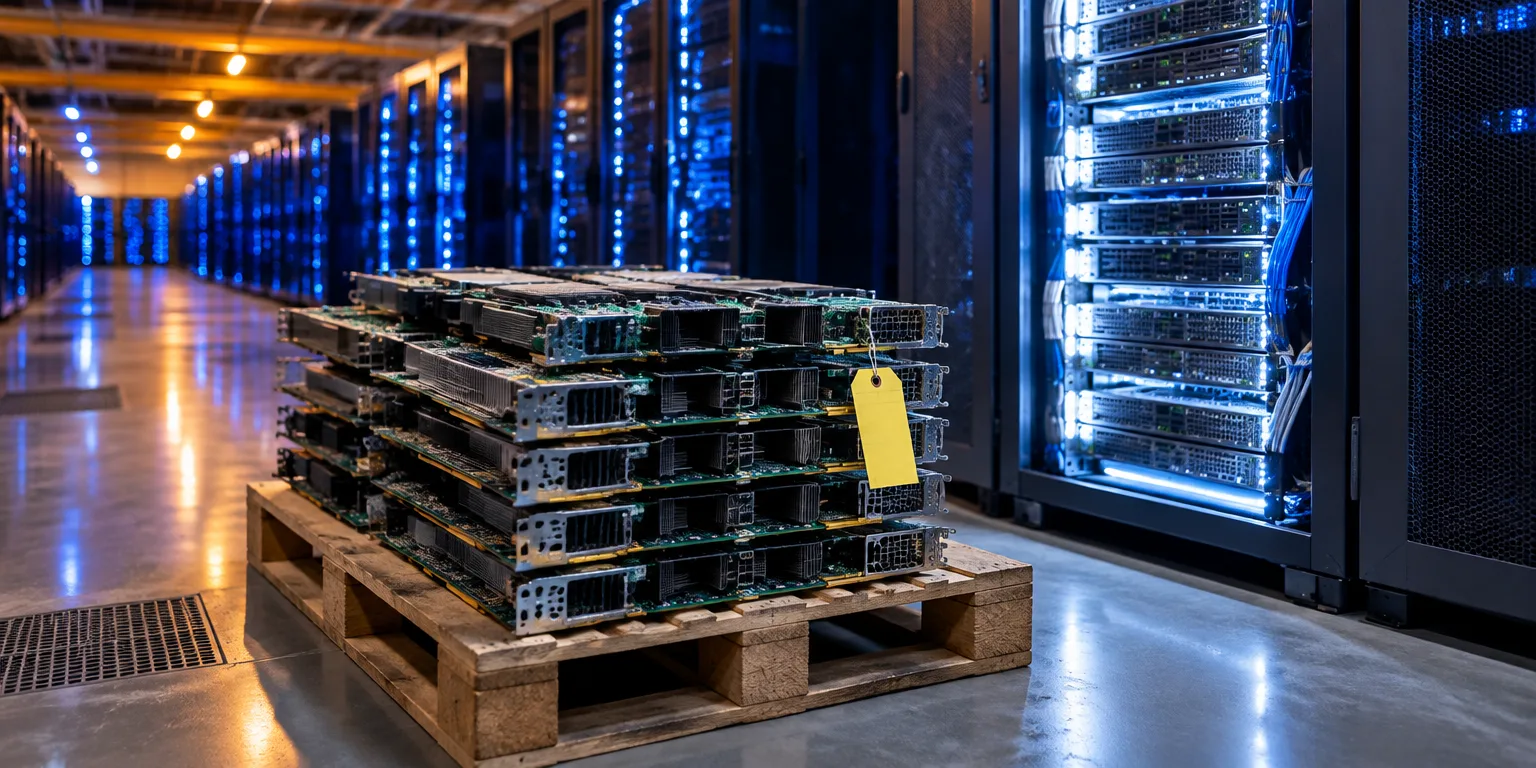
He asks the same about chip makers, how long their chips stay useful and how to spread those costs, without offering an answer. He calls it one of the biggest questions in valuing these companies. It is a hard question because a model may stop paying off before it is paid for.
Questions people ask
Why does an AI model go out of date so fast?
Models fall behind when a newer model handles more tasks, makes fewer mistakes, or runs more cheaply. The gains can come from more training data, better chip design, or a smarter way of structuring the model, so last season's leader can quickly look slow and expensive.
What does it mean to depreciate the cost of an AI model?
Depreciation is how accountants spread a big upfront cost over the time an asset is useful. If a factory machine lasts 10 years, its cost is divided over 10 years. If an AI model lasts only five months, almost all of its cost hits at once, which makes profits look much smaller.
Does that mean AI companies cannot be profitable?
Not necessarily, but it changes the calculation. A company must earn back its research, data, and computing bills before its model is replaced. That favors firms with steady customers, low computing costs, or a new model ready before the old one fades.