A new seventh grader is so miserable he throws up at lunch
After weeks of saying "I feel awful," he finally connects with another boy, and it helps only a little.
 This American Life · 449: Middle School
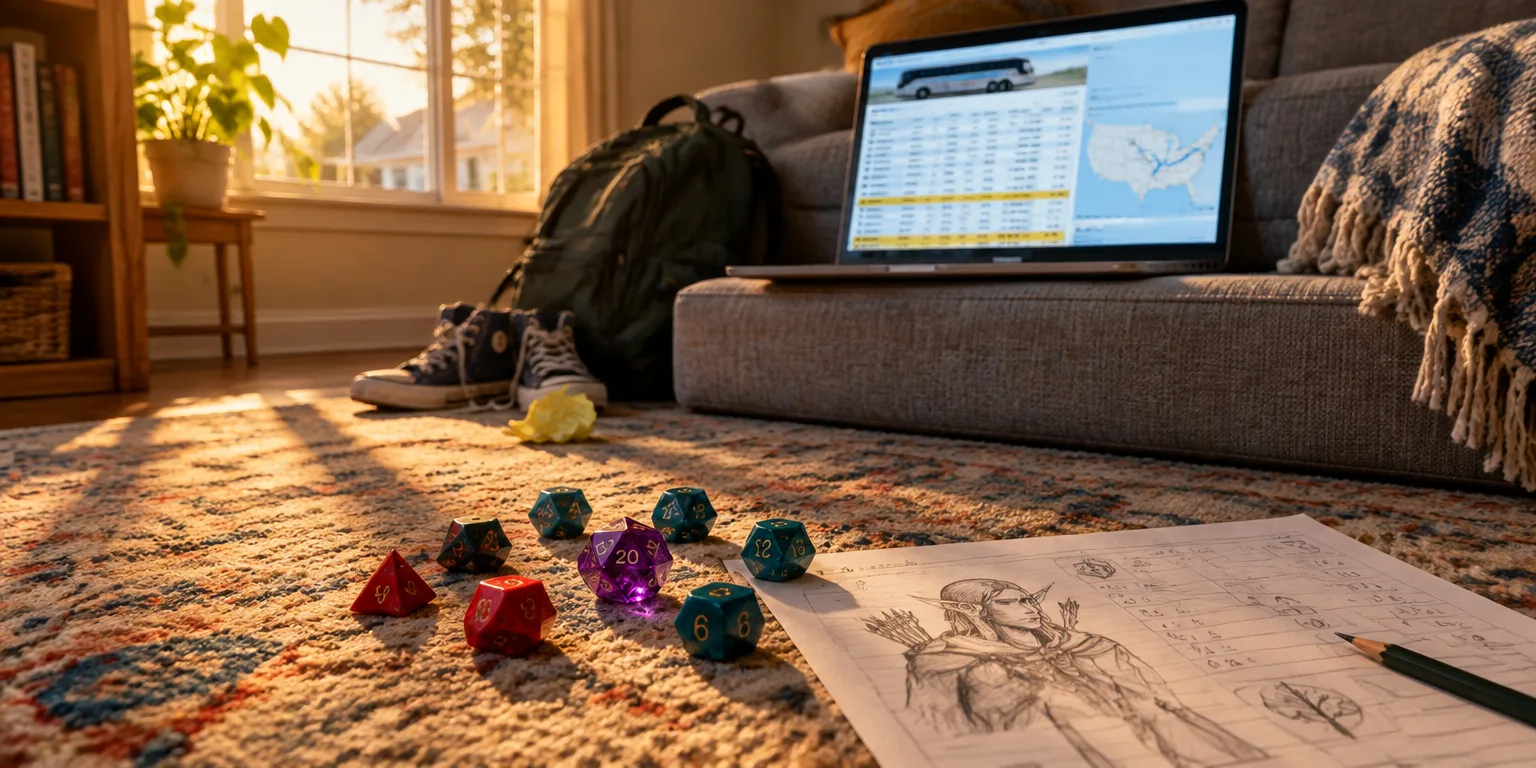
Leo was sitting on the couch with his computer open, studying Greyhound bus schedules.
He had just started seventh grade in a new town after his family moved from Rochester, New York. His mother planned to take him and his sister to Rochester for Columbus Day weekend on Saturday morning. Leo wanted to leave Friday to get more time with his old friends, even if it meant riding alone for eight hours and changing buses.
His email signature said it all, in big red letters: "Rochester is much better."
Leo is not his real name. He is short for his age, just barely taller than his 9-year-old sister, Auden. He arrived in August knowing no one, and he told Sarah Koenig, a reporter who knows his family and had come to the house to see how he was doing, that this was the longest sad stretch of his life, worse than when his old cat died.
Back in Rochester, he had known his best friends since kindergarten. As a sixth grader, he had been at the top of his tiny school, wearing a green sash in the morning and serving as a door monitor for younger kids. His new school was a large single-floor school holding sixth through eighth grades. As Leo put it: "It was much louder than my old school, much louder. People talking, people closing and opening lockers, people walking. It was just noise."
He had a theory about why starting over was so hard. As Leo explained it, in kindergarten you could walk up to someone and ask to be friends and that was it. Now, he said, people judge looks, background, and what cool is for kids, and they hold back more before trusting someone new.
For weeks his emails home from school during the day said the same three desperate words: "I feel awful." Then one Thursday came two breakthroughs. He wrote that the cafeteria mashed potatoes were great, with four exclamation points. And he emailed Devin, another seventh grader, to ask him over.
Leo dreaded making the follow-up call to finalize the plan, so Leo's father called Devin's parents and introduced himself as Leo's father. He flubbed the name, calling the boy Evan before correcting to Devin. Leo, solemn in his interview, cracked up at his dad's panic.
On Sunday, Leo taught Devin to play Dungeons & Dragons, the fantasy game played with dice and imagined creatures. On the drive home they giggled and traded gaming talk nonstop, about wood elf warlocks, wolves that attack on command, and night elf druids who turn into cats at level eight.
It looked like a turning point. It was not. By Wednesday, Leo shrugged off the afternoon as okay. It had changed things a little bit, he said, because now he knew someone at school.
He still woke up dreading the day ahead, and the dread built to a climax around lunch. Most days he went to the bathroom and threw up. Most mornings he threw a screaming fit to avoid going. One morning he did not, only because he felt resigned.
He is almost 13, old enough to be told life will get better, and not old enough to believe he will feel any different. His worry now is that he will be throwing up all year.
Questions people ask
Is it normal for a kid to throw up from school anxiety?
Yes. Stress can trigger nausea and vomiting in children, especially around school separation and social worry. Pediatricians usually advise checking for medical causes first, then addressing the anxiety with regular sleep, predictable morning routines, and help from a counselor if it persists.
What is Dungeons & Dragons?
It is a tabletop fantasy game where players create characters, like elves and warlocks, and describe what those characters do while dice decide what succeeds. One player guides the story, and the others cooperate through quests and battles. It has been popular with middle schoolers since the 1970s because it rewards imagination and teamwork.
Why is making friends harder in middle school than in elementary school?
Middle school mixes children from several elementary schools just as puberty, status awareness, and concern about fitting in increase. Psychologists find that older children pay more attention to reputation and group norms. That makes them more cautious with newcomers than kindergarteners are.