A new tiger-size predator sat mislabeled in a museum drawer for 100 years
The agile hunter, named Invictibellatrix, ate baby dinosaurs, small mammals, crocodiles, and lizards.
 Global News Podcast · Pope has surgery for lung cancer
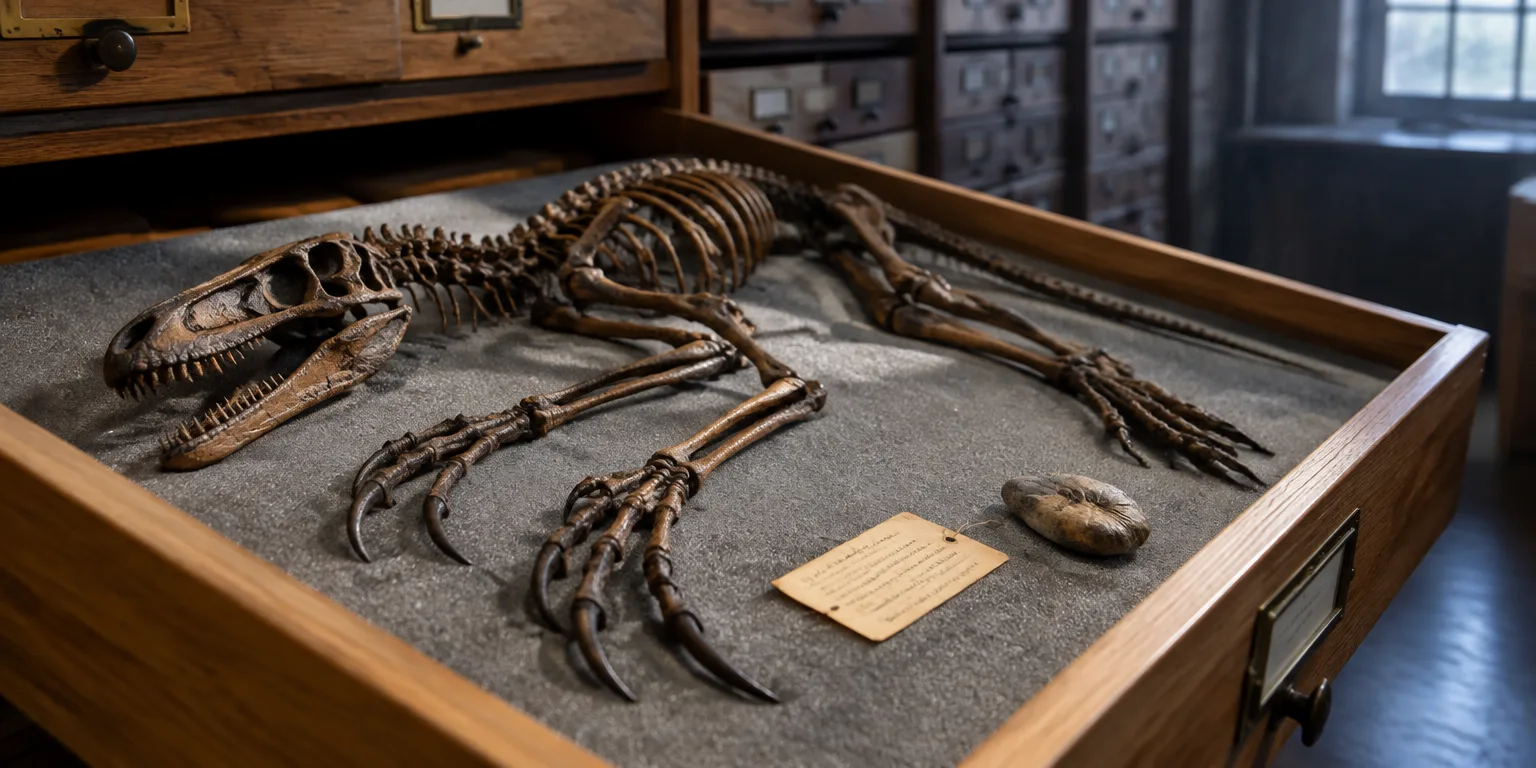
A tiger-weight predator with strikingly long forelimbs ending in oversized talons turned out to have been hiding in plain sight for a century.
Dr. Cassius Morrison, of Leeds University, realized that a fossilized skeleton kept at the Natural History Museum had been miscategorized. Those bones were originally picked up along the shore of the southwest coast of the Isle of Wight, an island off southern England known for dinosaur finds, and bought about 100 years ago as part of an amateur fossil collector's haul. It then sat overlooked in a drawer.
Morrison determined that it was a new species, an agile hunter built like a stretched out velociraptor, the small, quick predator made famous in movies. He named it Invictibellatrix, meaning unconquered female warrior. Its presumed prey included small mammals and lizards, along with young dinosaurs and crocodiles.
Questions people ask
How big is tiger-weight?
About 200 to 500 pounds, depending on whether it was a large female tiger or a smaller male. That makes Invictibellatrix much larger than a velociraptor, which was roughly the size of a turkey, but much smaller than giants like Tyrannosaurus rex.
Where is the Isle of Wight and why are fossils found there?
It is an island off the south coast of England. Its cliffs expose rocks from the dinosaur age, especially from the Early Cretaceous period about 125 million years ago, and erosion keeps revealing bones, footprints, and teeth.
How does a fossil sit unstudied in a museum for 100 years?
Large museums hold millions of specimens and cannot study them all at once. Fossils collected long ago are sometimes labeled as a known species and filed away until a specialist with new tools or questions takes another look.