A Newspaper Bought a Chicago Bar to Catch Crooked Inspectors
The wired-up Mirage Tavern sting led to indictments of a third of the city's electrical inspectors, and helped bring tax reforms and service changes.
 Peter Santenello · America's Most Corrupt City - Chicago 🇺🇸
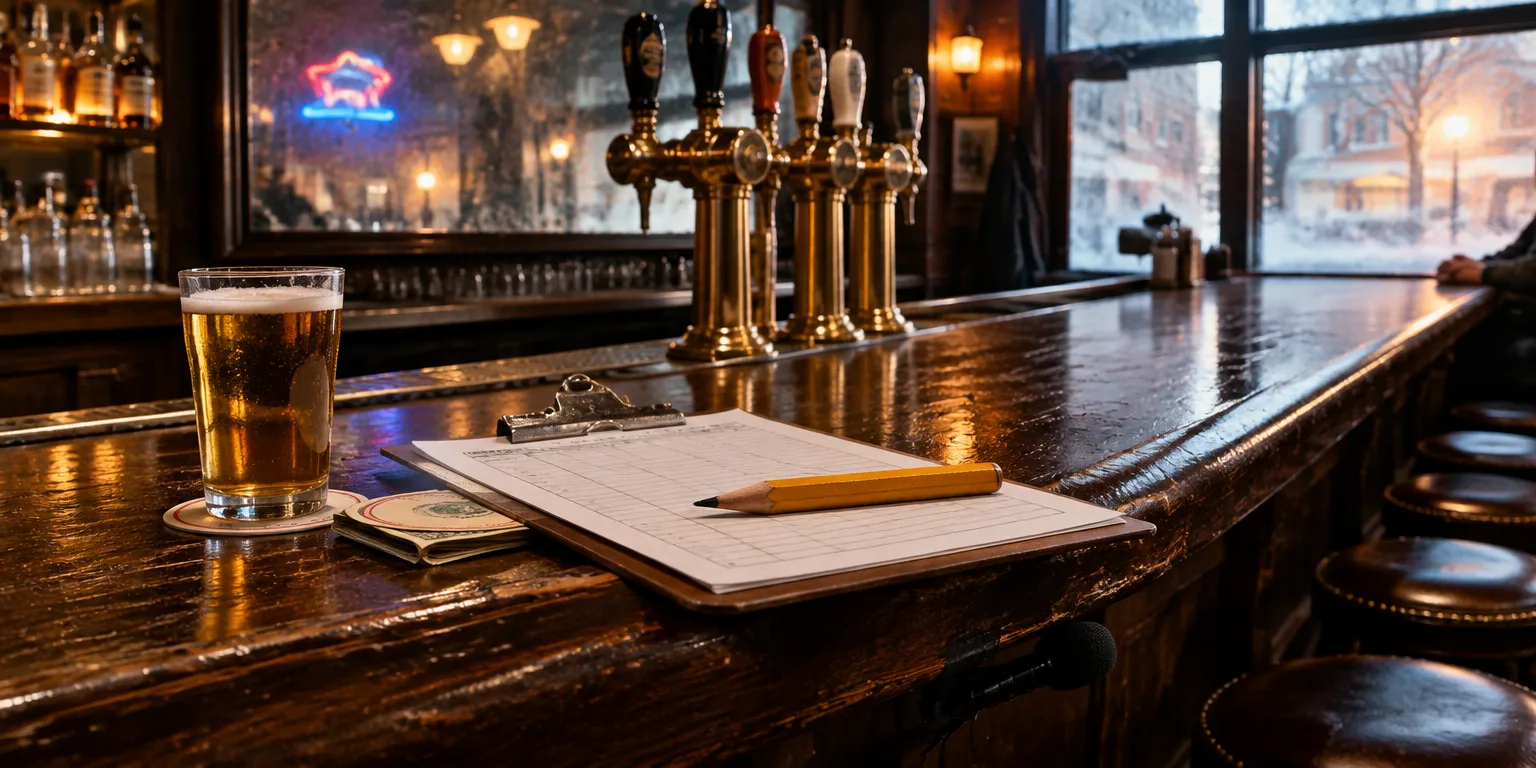
In the late 1970s, Chicago's Sun-Times newspaper together with a nonprofit group bought a neighborhood bar called the Mirage Tavern and wired it with microphones to record city officials as they came in to make illegal deals.
Ben, a First Amendment attorney, recounts the sting with an old Chicago joke about a meeting between two politicians. The punchline was "A crime scene."
The bar was used to catch routine city business. At issue was approval of electrical work. Electricians who wanted their work approved had to pay inspectors an extra fee for themselves, and without that payment they could not get the work done.
The result was that a third of the city's electrical inspectors were indicted on corruption charges.
Ben says the operation was highly criticized as "unseemly" and "dirty," because reporters had set a trap and captured private conversations. Ben notes, "Sun Times got a lot of criticism for doing it."
He argues the exposure still did public good. It helped bring tax reform initiatives in Chicago at the time, along with changes to city services meant to reduce bribes and racketeering. He calls the changes incomplete but a step forward, aimed at fewer bribes.
The Mirage is now the Brehon Pub. He sees room for more of that work by citizens, think tanks, and journalists, work he describes as a great thing for democracy and core to what the First Amendment protects. For Ben, the pub stands as an overlooked landmark for journalism that exposes official wrongdoing and shows that reform is possible.
Questions people ask
Was the bar sting entrapment?
No. Entrapment is a legal defense against criminal charges brought by the government, when agents induce someone to commit a crime they were not otherwise ready to commit. Journalists are not the government, so their trickery does not create an entrapment defense, though it can raise ethics and privacy issues.
Why don't newspapers run stings like this anymore?
It is much rarer, in part because of legal risk. News organizations today worry about invasion of privacy, secret recording, and emotional distress lawsuits that can mean years of litigation and large legal bills even if they ultimately win.
Why were electrical inspectors able to demand bribes?
They review wiring, panels, and other electrical work to certify that it meets the safety code. Because a contractor generally cannot move forward without that sign-off, an inspector who wants a bribe has powerful leverage over time and money.