A Pinch of Baking Soda Browns Onions Faster
It raises the pH, which speeds browning and adds sweet, caramel-like notes, but too much turns onions to mush.
 Reactions · Why the Maillard Reaction Makes Everything Delicious
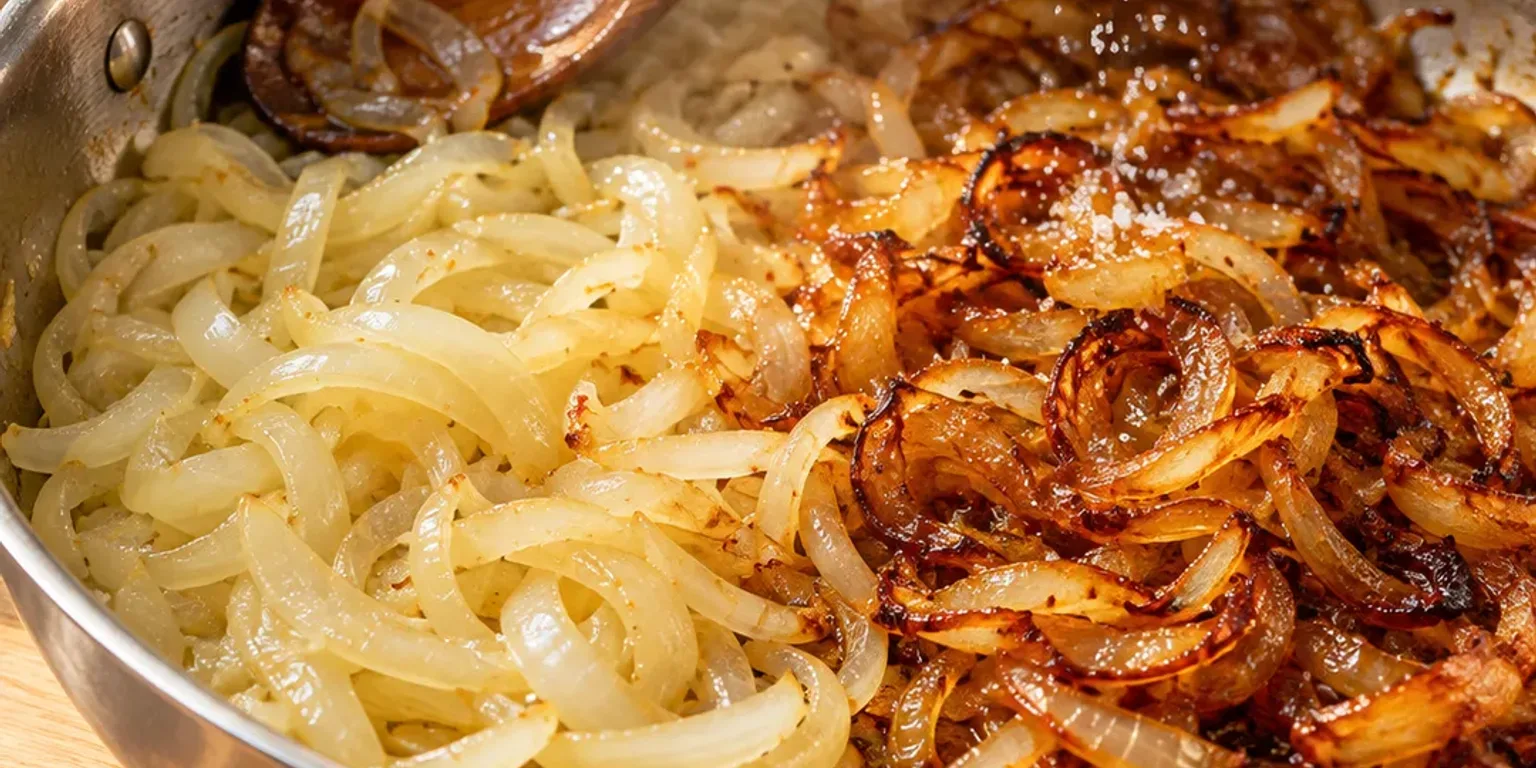
Anyone who has tried to brown onions on a weeknight knows the problem. The pan sits full of pale, stubborn slices that refuse to turn sweet, brown, and soft.
There is a shortcut, for cooks in a rush. Add just a dusting of baking soda to the pan, along with a bit of salt for flavor. Then cook the onions as usual, and watch them brown much faster.
It works because of acidity. Baking soda is basic, so it raises the pH of the onions and makes them less acidic. A higher pH speeds up the Maillard reaction, the cascade of browning reactions that gives cooked food its color and savory flavor.
The onions brown more quickly and turn sweet, with caramel-like notes.
That flavor can be confusing. It does not mean the onions have caramelized. Caramelization involves only sugars, while the browning here comes from the Maillard reaction.
Restraint matters. The trick calls for just a pinch. Add too much baking soda and the onions will break down into browned, mealy goop.
Start with less than you think you need, taste as you go, and save the technique for nights when time matters more than perfection.
Questions people ask
How much baking soda should I actually use?
Think of a pinch as what you can pick up between two fingertips, roughly one-eighth of a teaspoon or less per pound of onions. You can always add a touch more, but you cannot take it back once the onions soften. When in doubt, start small and add salt separately for seasoning.
Can I use this trick for other foods?
It works best for foods where faster browning helps, like sliced onions, and for mixtures that benefit from alkalinity, like some pretzels and noodles. It is not right for everything, because higher pH can change texture, color, and taste. Delicate vegetables can turn mushy, and baked goods can taste soapy if you change the recipe.
Why do the onions turn mushy if I add too much?
Baking soda weakens the pectin that holds plant cell walls together, so onions soften as they cook. A little softening helps them brown and turn sweet. Too much breaks the structure down completely, leaving a mealy, pasty texture instead of distinct slices.