A Protein Bar Maker Needed 150% of Its Supplier's Output, So It Bought the Supplier
David Protein locked up a fat that tastes like fat without the calories, then stopped selling it to rivals without contracts.
 David Senra · Building One of the Fastest Growing CPG Company in History | Peter Rahal of David Protein, Medici Brands & RXBAR
Six months after launching his new protein bar, Peter Rahal got the offer he had been bracing for. People at Apogee, the small company that made the most important ingredient in Rahal's bars, came to his young company with a proposal: "Hey, you guys are killing it. How about you take it over?" Rahal, who runs protein maker David Protein, laughed as he told it. He joked that he hardly needed time to decide.
The ingredient was a patented fat substitute called EPG, short for esterified propoxylated glycerol. Rahal described it as a modified version of the fat molecule found in olive oil. Normally, a digestive enzyme called lipase clips fatty acids off those molecules so the body can absorb them. In EPG, the fatty acids are locked in place so lipase cannot break them down, which means it keeps rich flavor and texture without the calories. Rahal compared the breakthrough to high intensity sweeteners like stevia and monk fruit.
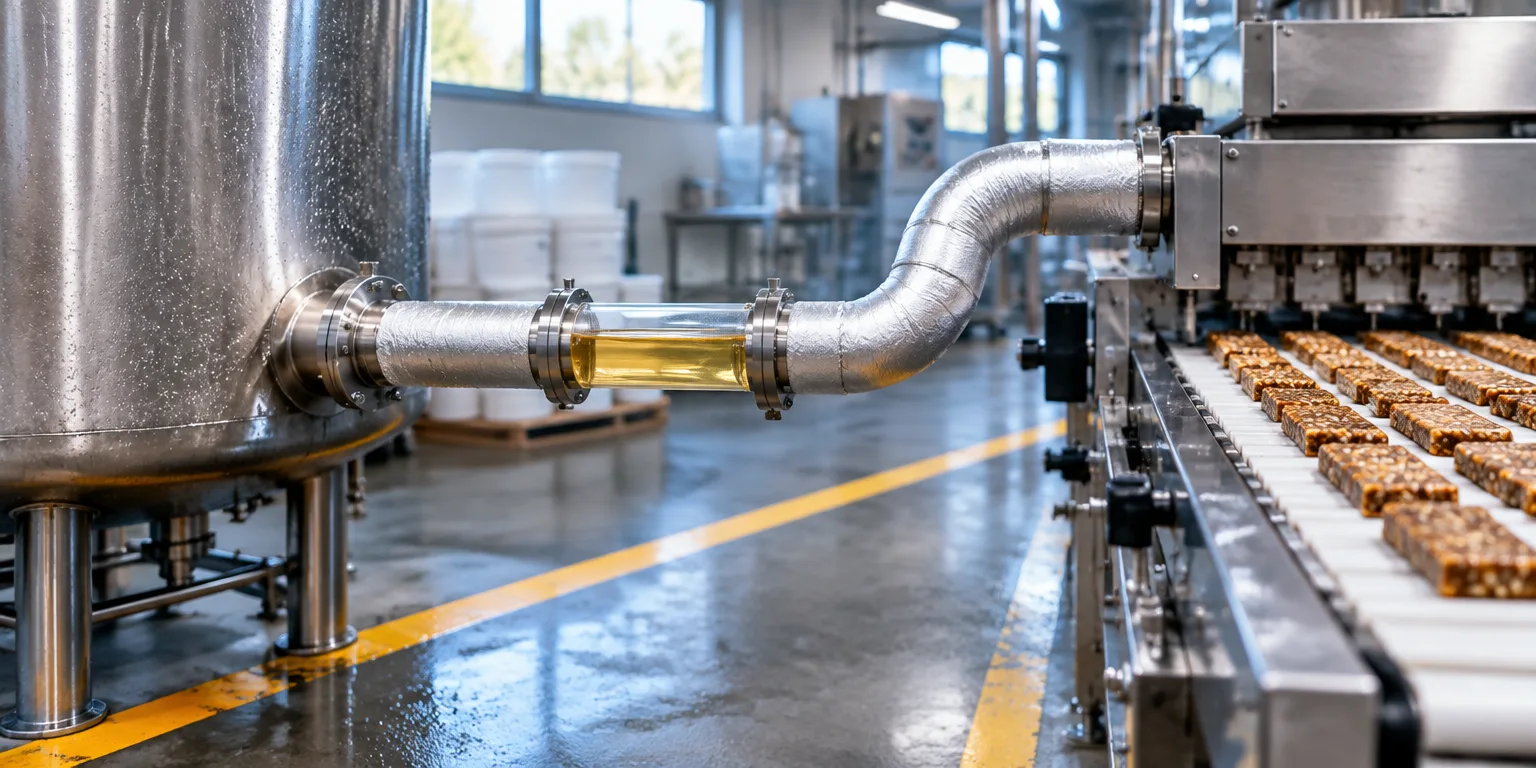
David needed it to make a bar that tasted rich but stayed lean on calories, and David quickly became almost all of Apogee's business. At first the bar maker was 90 percent of Apogee's sales. Then demand kept climbing until David needed 150 percent of the supply Apogee could produce, meaning Apogee could not meet its needs even if it sold David everything it made.
Rahal called it a nasty dependency. Apogee was struggling, hard to work with, and run mostly by older lawyers after its founder had been diluted out. Rahal figured it would end in litigation, extortion, or a purchase. He said all his attention went to making sure David either bought Apogee or otherwise protected itself.
Food ingredients put him in that spot, he said, because big food companies demand supply before they give demand, while ingredient startups lack the demand to justify building supply. A standalone seller has no route to market, so the product and the factory need to sit under one roof. Apogee could not do that on its own.
Before any deal, Rahal negotiated a supply agreement that covered a change of control and gave David most favored status on price and on any inventory available. Even if the purchase fell through, David would have gotten the supply anyway. Then he bought the whole company for half cash and half equity.
Once David was growing well above forecast, there was not enough EPG to go around. Customers without a supply agreement stopped getting product, and several of those customers were rival food makers that also used the ingredient. The move drew an antitrust lawsuit, which Rahal said was dismissed three times. Rahal said the claim would have needed to be a landmark intellectual property case to have any merit.
Rahal said they did a terrible job communicating the change. Apogee helped handle the message, which said buyers without a supply agreement would get no supply, and Rahal said he could have handled it with more compassion.
Questions people ask
What exactly does EPG do in food?
EPG is designed to replace liquid vegetable oils and other fats while keeping a fatty texture. Because digestive enzymes cannot break it down, most of it passes through without contributing the roughly nine calories per gram that normal fat provides. Food makers use it to cut calories while keeping richness.
Is EPG approved as safe to eat?
Yes, in the United States the Food and Drug Administration has allowed a version called esterified propoxylated glycerol for uses including fried foods, baked goods, and snacks, subject to limits. Regulators reviewed feeding and digestion studies before allowing it. As with fat replacers such as olestra, tolerance can vary by person.
What is a most-favored-nation clause in a supply contract?
It promises one buyer terms at least as good as any other buyer gets. In David's case, Rahal said it covered both price and available inventory. That meant no rival could quietly get cheaper EPG or jump ahead in line when supply ran short.
Can a company legally buy its supplier and stop serving competitors?
Usually yes, unless the move creates or abuses monopoly power in a properly defined market. Courts look at market share, alternatives, contracts, and whether rivals were foreclosed unfairly. That is why acquisitions can draw antitrust claims, and many are dismissed when rivals still have other options or no contract right to supply.