A Puppet Bird Gave Two Struggling Kids a Reason to Stay
By needing their help at night and on school trips, a puppet bird turned two classroom outsiders into caretakers.
 TED Talks Daily · How imaginary worlds help kids learn | Anna Rainio
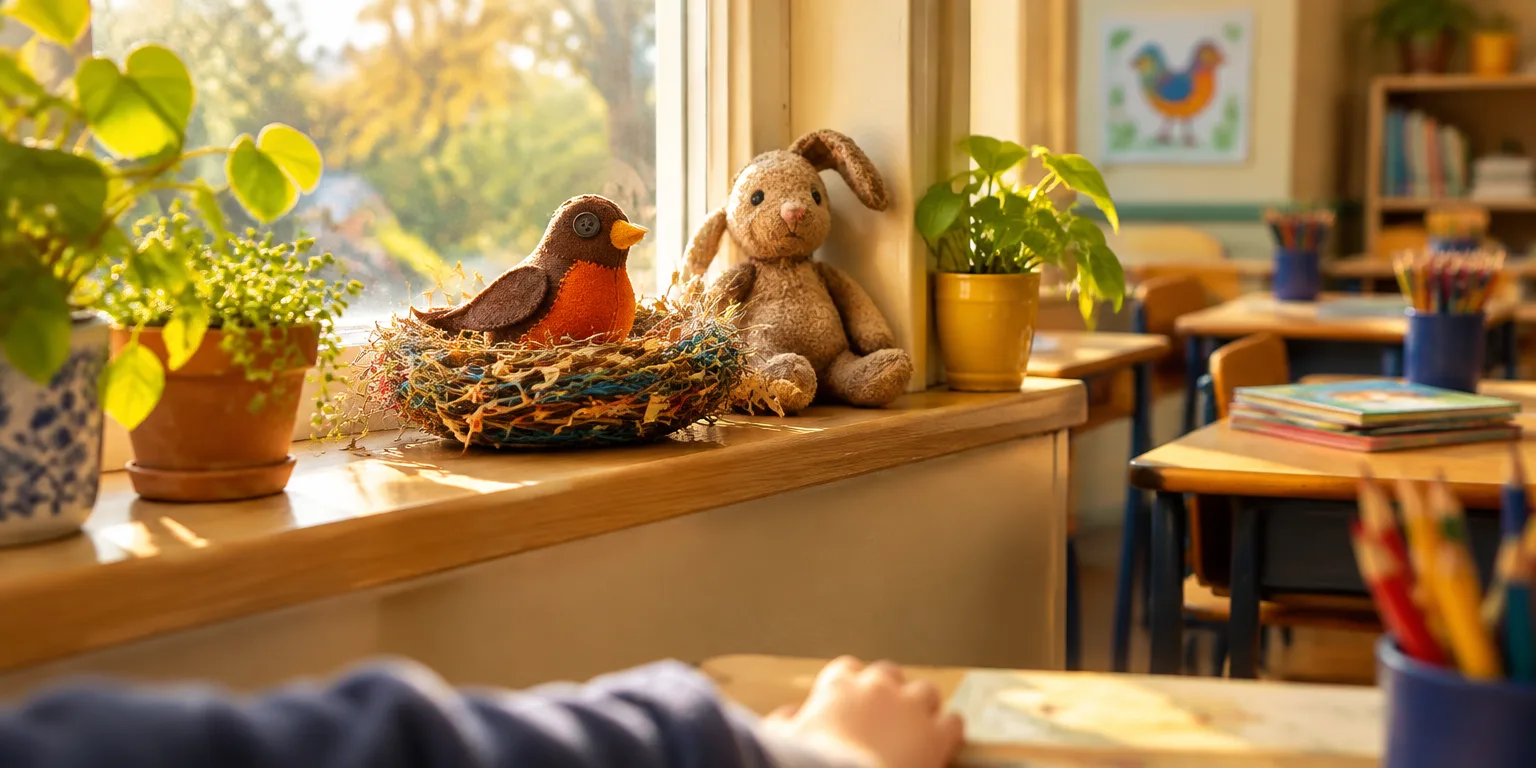
After months of distance learning during COVID, a classroom of children walked in one morning to find a small surprise waiting on the windowsill. There sat Ruben, an actual puppet, on the windowsill of the classroom.
The teacher, Tom, had been building a shared imaginary world around a children's book about a bird that lands by mistake in a child's room and needs help getting home. The children had read the story and imagined what Ruben might look like before school closed. When they returned, Tom played Ruben himself, and the children folded him into everything.
They sang their favorite songs to him, fed him pretend food, built him a nest in art class, and even tried to teach him math.
For two children in particular, the bird arrived just in time. Alma, a restless student, found it hard to stay seated, follow directions, or finish school tasks. Luca was so disruptive that teachers had arranged for him to head home before the school day ended, a fix that left him feeling even more excluded.
Finnish researcher Anna Rainio, who studies these adult and child imaginary worlds, says both children formed a special bond with Ruben because he needed them.
Ruben sent Alma a private email saying he felt lonely in the empty classroom at night. Alma wrote back to ask if he needed a friend, and offered to bring Sunny, her own soft toy from home. Ruben answered, "Yes, please."
After that, Ruben often sat in Alma's lap during the activities she found hardest, and she grew calmer and more attentive. On a class trip, Tom asked Luca to look after Ruben. It was a huge win for a boy who often could not join trips at all because of his behavior. With the bird to look after, he could go.
An illustration on the classroom whiteboard shows Ruben and Luca together, with Ruben seeming to lift Luca up into the air, lighter and happier. Rainio says she loves the picture because a seven-year-old was able, through the drawing, to best crystallize "what development is and what imagination can do if adults take it seriously."
Questions people ask
What is a Play World?
It is a teaching method where adults and children build an imaginary world together around an existing storybook or work of art. The teacher and children take roles inside the story, children help decide what happens next, and everyday behavior becomes part of the plot. The idea was developed by Swedish scholar Gunilla Lindqvist and is now studied in several countries.
Why would being needed help a restless or disruptive child?
Being needed changes the child's role from problem to caretaker. Instead of being told to sit still or behave, Alma and Luca had a clear, valued job: comfort Ruben, keep him company, and keep him safe. Child psychologists call this a shift toward belonging and responsibility, which can lower stress and make it easier to join group activities.
Do teachers really let a puppet stay all day?
In this kind of play, yes, and that is part of the point. The puppet joins lessons, meals, and trips so the story stays alive and children can practice care, language, and cooperation inside it. The adult playing the character listens closely and uses the role to invite children in, not to distract them from learning.