A rainforest can lose a species and recover. A reef can unravel from losing coral.
In the Amazon, support is shared across many species, while on a reef many creatures depend on coral.
 TED-Ed · Why is biodiversity so important? - Kim Preshoff
Lose one species in the Amazon and the forest will likely carry on. Lose coral on a reef and the whole neighborhood can fall apart.
The difference comes down to how the living system is built. In the Amazon, one of the most diverse places on Earth, support is widely shared. Woody climbing vines wind around huge trees and thicken into stems that help brace them. Those trees feed plant eaters such as the tapir, a hoofed forest mammal, and the agouti, a small forest rodent, which roam and drop seeds so new growth can sprout elsewhere. Afterward, vast numbers of insects break down the scraps, returning nutrients that keep the soil fertile.
That combination of many species, varied genes within species, and many small systems nested inside one large forest weaves a dense safety net. If one strand breaks, others still carry the load, letting the forest absorb the gap and recover.
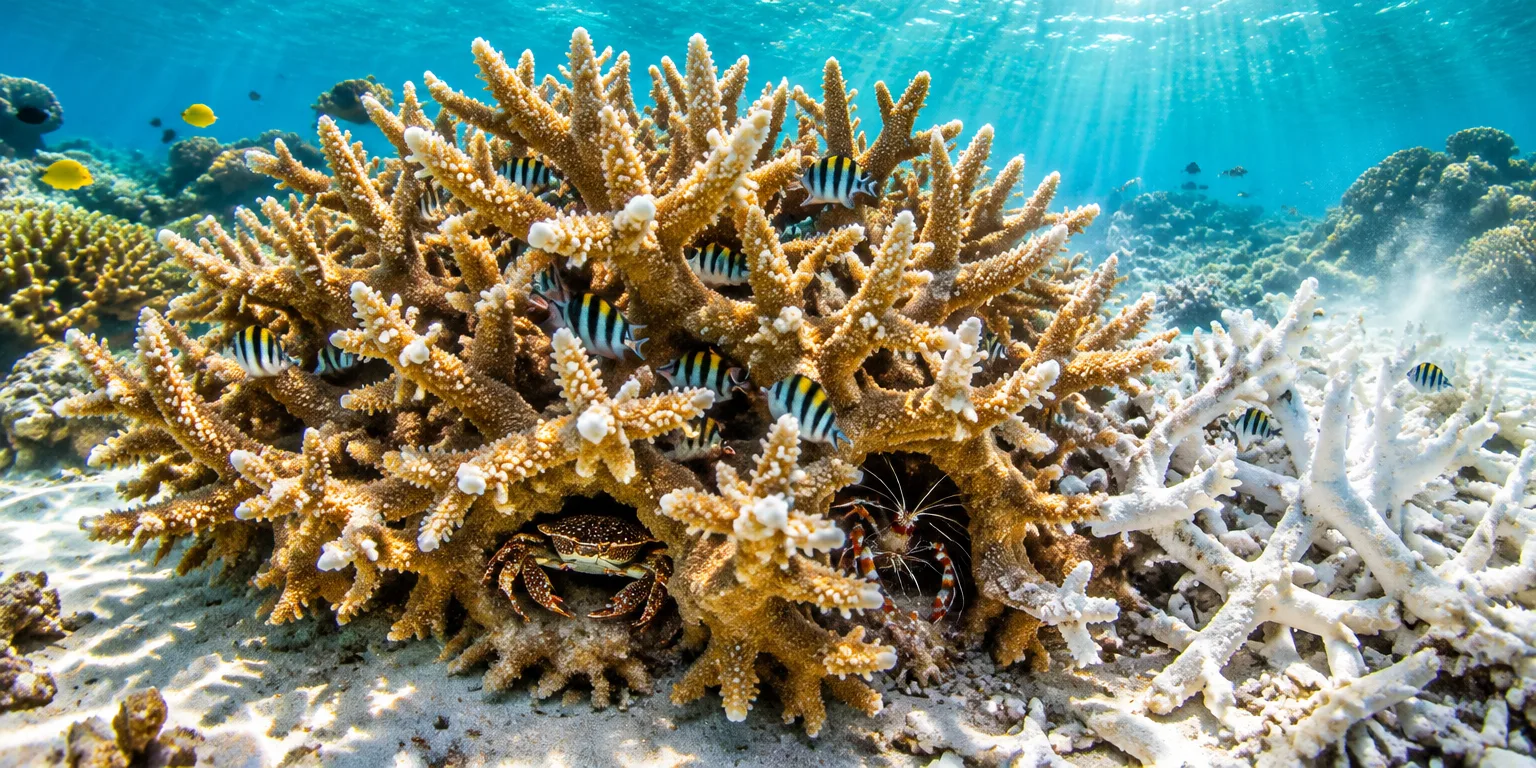
A coral reef works differently. Coral is a loom that much of the reef's life is woven around. It provides shelter, hiding places, and nursery areas for thousands of fish, crabs and other crustaceans, and mollusks, and it trades support with fungi and bacteria.
That heavy reliance makes coral what biologists call a keystone organism, meaning much of the reef community relies on it to live. When destructive fishing, pollution, and more acidic seawater damage coral or kill it, its dependents have nowhere else to turn, and the harm spreads through the reef.
Questions people ask
What do scientists mean by biodiversity?
It means variety at three levels that work together: different ecosystems, different species within them, and different genes within each species. The more variety at each level, the denser the weave and the better nature can absorb change.
What makes a species a keystone species?
It is a species that a disproportionate number of other species rely on for food, shelter, or conditions they cannot get elsewhere. Sea otters, beavers, and some fig trees play similar roles because removing them reshapes the whole community.
How does ocean acidification hurt coral?
The ocean absorbs extra carbon dioxide from the air, which makes seawater more acidic and reduces the carbonate that corals need to build their skeletons. The result is slower growth and weaker, more damage-prone reefs.